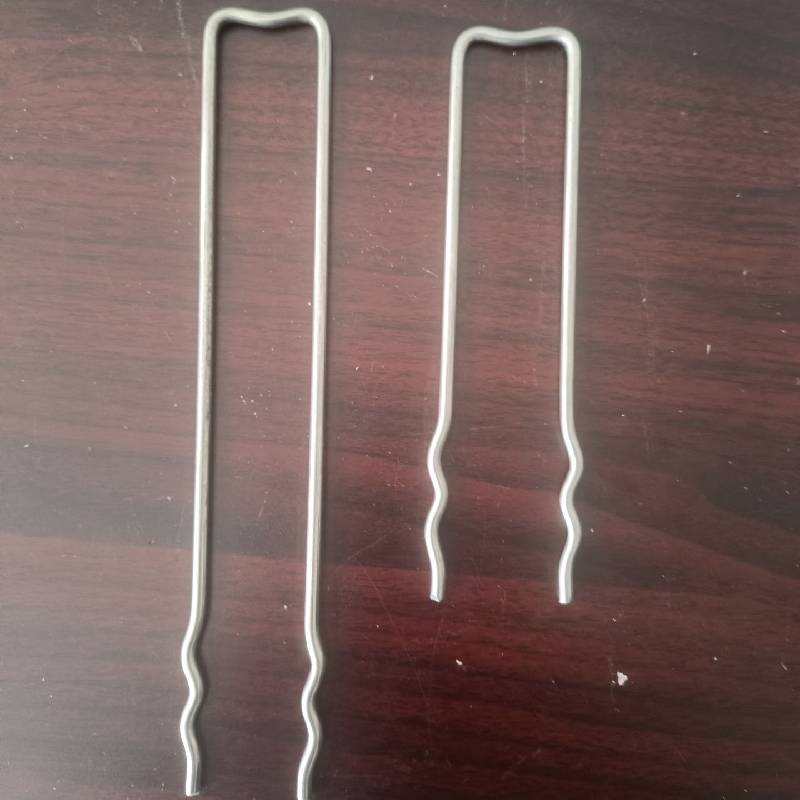
Product Advantages
1. High strength and corrosion resistance: Made of stainless steel wire, they have high strength and corrosion resistance, able to withstand large loads and resist corrosion to extend their service life.
2. Easy installation: Simple in design and easy to install, requiring no professional skills, reducing construction time and cost.
3. Multiple size options: Available in different wire diameters to meet the requirements of different sandwich panels and load demands.
4. Concrete anchoring: Can be firmly anchored in concrete to provide reliable connection.
5. Improve production efficiency: In the negative production method of sandwich panels, the use of hairpin-anchors can improve production efficiency and reduce construction time and cost.
Instructions
1. Installation preparation: Ensure that the concrete surface is clean and level.
2. Select the appropriate anchor: Choose the appropriate diameter of hairpin-anchors based on the thickness and load requirements of the sandwich panel.
3. Install the anchor: Insert the hairpin-anchors into the wet concrete, making sure the bent ends are fully embedded.
4. Inspection and acceptance: After installation, inspect the quality of the hairpin-anchors to ensure they meet the requirements.
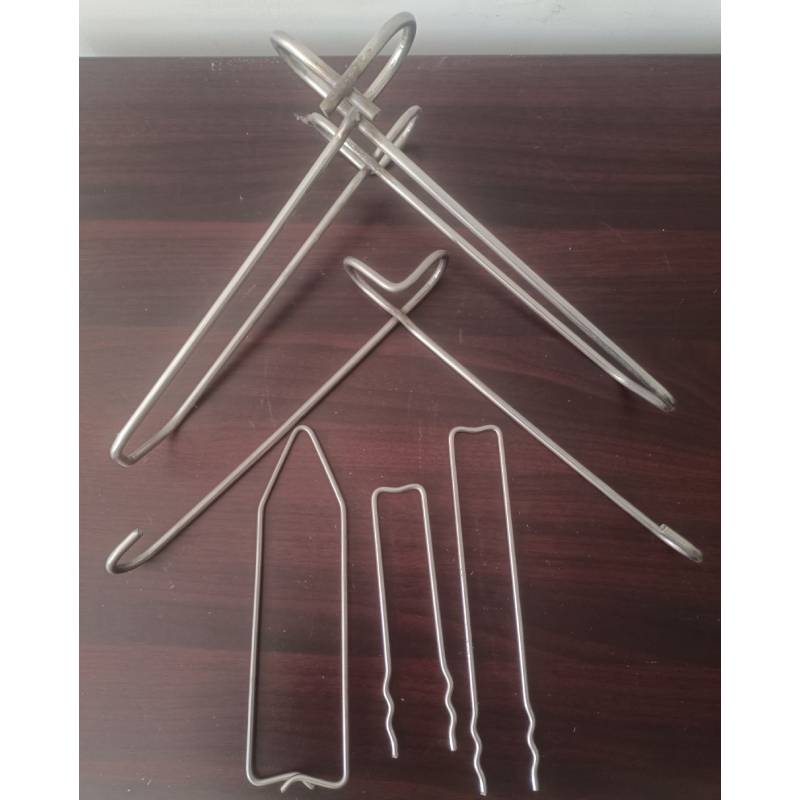
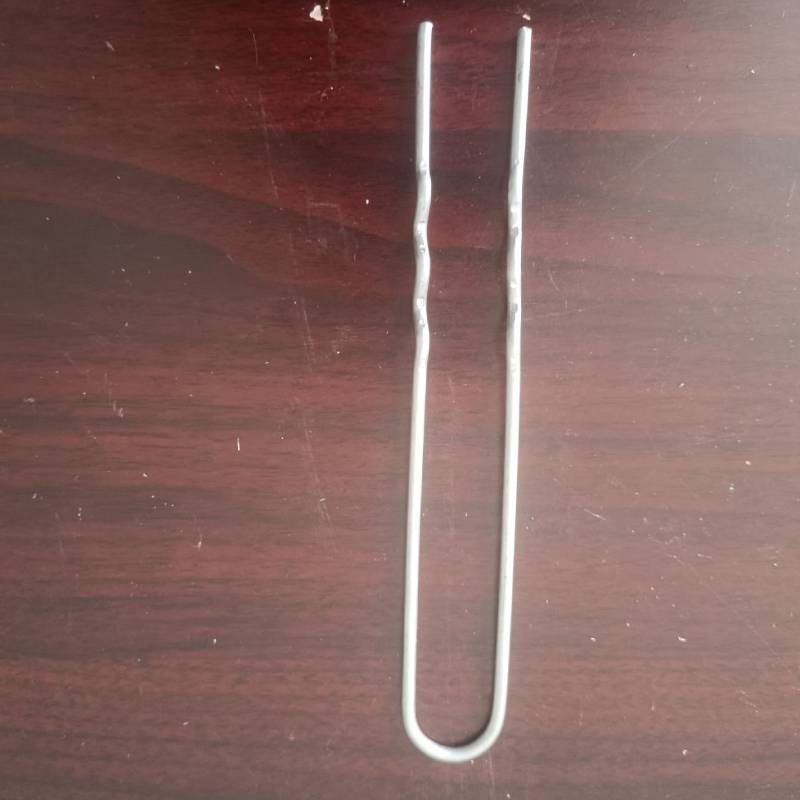
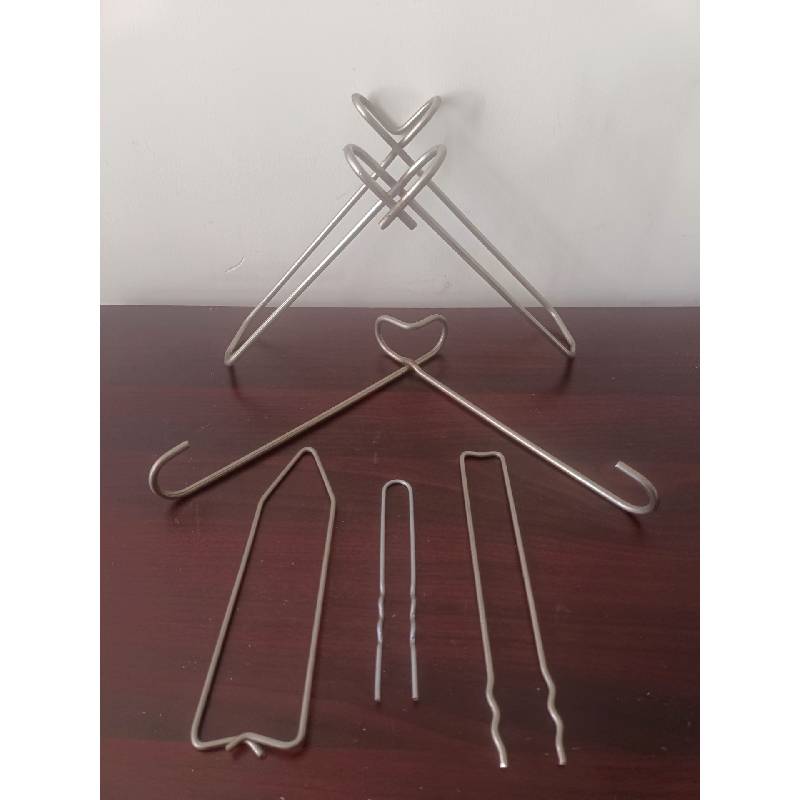
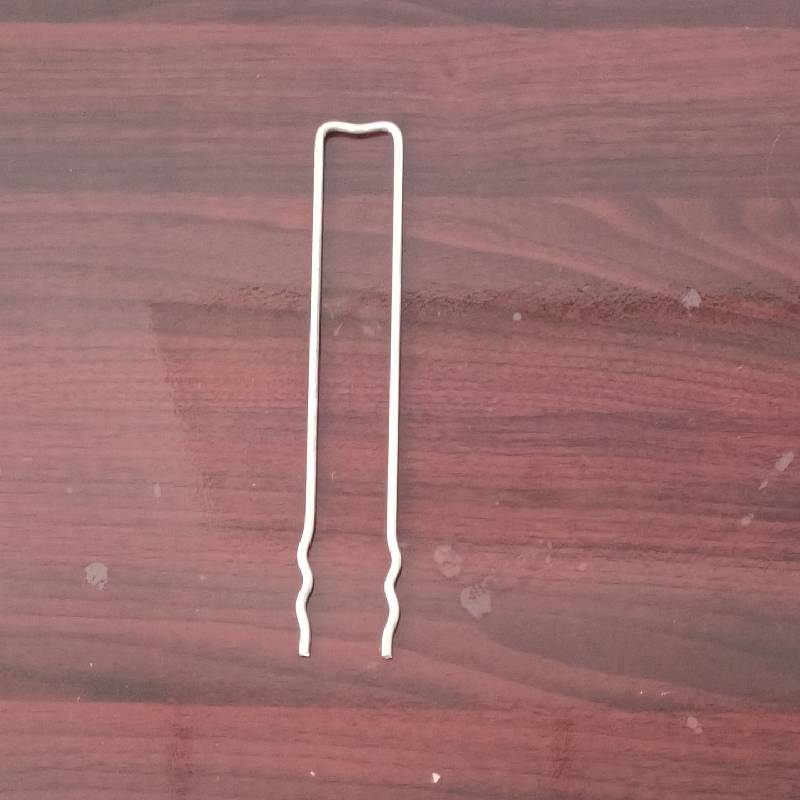
The production process of hairpin-anchors typically involves bending high-strength stainless steel wires into a U-shaped shape to meet the specific requirements of different projects.
Product Application Scenarios
Hairpin-anchors are widely used in various sandwich panel structures, such as exterior walls, interior walls, and ceilings of buildings. They are essential in providing secure anchoring for sandwich panels, ensuring the stability and safety of the overall structure.
Product Price Advantage
Hairpin-anchors are relatively inexpensive, offering a cost-effective solution for anchoring sandwich panels. Their simple design and manufacturing process result in lower production costs, making them more affordable for users.
How to Install Sandwich Panel Anchor Pin for Industrial and Commercial Panels
Proper installation of the Sandwich Panel Anchor Pin is crucial for ensuring the stability, safety, and long-term performance of industrial and commercial sandwich panel systems. These anchor pins provide a secure mechanical connection between the panels and the supporting framework, preventing movement, maintaining alignment, and enhancing the overall durability of walls and roofs. Following correct installation procedures ensures optimal performance and protects the investment in building materials.
Step 1: Understanding the Function of Sandwich Panel Anchor Pin
The Sandwich Panel Anchor Pin is specifically designed to penetrate the core of sandwich panels and anchor them firmly to the structural framework. Its unique design allows it to provide mechanical interlock and resist lateral and vertical movement. Unlike traditional fasteners, anchor pins accommodate minor thermal expansion or contraction of the panels, reducing stress and preventing potential cracks or misalignment.
Step 2: Preparing the Work Area
Before installation, inspect the panel surfaces and supporting structures to ensure they are clean, level, and free of debris. Verify that the panels conform to project specifications, and confirm the correct thickness and spacing for anchor pins according to engineering or design requirements. Gather necessary tools, including a drill, insertion device, and safety equipment to ensure a safe and efficient installation process.
Step 3: Positioning the Anchor Pins
Mark the locations for the Sandwich Panel Anchor Pins on the panels based on the structural drawings. Typically, pins are placed at regular intervals both vertically and horizontally to ensure uniform load distribution and stability. Accurate positioning is critical for industrial and commercial panels, which often cover large areas and are exposed to high wind or other environmental loads.
Step 4: Inserting the Anchor Pins
Carefully insert the Sandwich Panel Anchor Pin into the marked location using the appropriate tool or hand device. Ensure the pin penetrates the panel core fully and engages with the supporting structure. Avoid excessive force that could damage the panel or compromise the anchor’s holding power. Once inserted, the pin should remain flush with the panel surface, providing a secure and stable connection.
Step 5: Securing and Verifying Stability
After inserting the anchor pins, inspect each one to ensure it is properly seated and firmly anchored. Check that the panels are aligned correctly, and adjust any misaligned pins as needed. Properly installed anchor pins enhance the structural stability of wall and roof panels, ensuring that they withstand wind uplift, vibration, and other environmental stresses.
Step 6: Completing the Panel Installation
Once all Sandwich Panel Anchor Pins are in place, continue with the remaining assembly steps, including panel joining, sealing, and finishing. Properly anchored panels provide long-term stability, reduce maintenance requirements, and maintain their structural and thermal performance over time.
Conclusion
Installing Sandwich Panel Anchor Pins correctly is essential for achieving strong, durable, and secure industrial and commercial panel systems. By following proper preparation, positioning, insertion, and verification procedures, builders and engineers can ensure panels remain firmly anchored, aligned, and capable of performing under environmental and structural loads. These anchor pins are vital components for safe, efficient, and long-lasting sandwich panel construction.
Innovative Applications of Sandwich Panel Anchor Pin in Commercial Projects
In modern commercial construction, efficiency, durability, and aesthetics are essential for successful projects. The Sandwich Panel Anchor Pin plays a crucial role in meeting these demands by providing secure and reliable attachment of sandwich panels to structural frameworks. Its innovative design allows for versatile applications across walls, roofs, and façade systems, making it an indispensable solution for architects, engineers, and contractors in commercial projects.
Enhanced Structural Stability
One of the most significant advantages of the Sandwich Panel Anchor Pin is its ability to maintain structural stability in commercial buildings. The anchor pin penetrates the core of the sandwich panel and locks it firmly to the supporting frame, preventing lateral and vertical movement. This stability is critical in large commercial structures such as office buildings, shopping centers, and warehouses, where panels are exposed to heavy wind loads, vibrations, and varying environmental conditions.
Versatile Wall and Roof Applications
The Sandwich Panel Anchor Pin is highly adaptable and can be used in both wall and roof panel systems. In wall applications, anchor pins secure panels against structural loads while providing a uniform façade appearance. For roof systems, they resist uplift forces and thermal expansion, ensuring that panels remain properly aligned and attached over time. This versatility makes anchor pins suitable for diverse commercial building designs, including multi-story complexes, retail stores, and industrial office facilities.
Innovative Façade Design Solutions
Beyond functional stability, Sandwich Panel Anchor Pins enable innovative façade designs in commercial construction. Architects can use these anchors to implement complex panel arrangements, overhangs, or decorative patterns without compromising safety. The anchor pin’s mechanical interlock ensures panels are securely fastened while allowing for minor movement due to thermal expansion, enabling creative and visually appealing building exteriors.
Ease of Installation and Efficiency
The installation process of Sandwich Panel Anchor Pins is straightforward and time-efficient. Their design allows for quick insertion into panel cores, requiring minimal tools and labor. This efficiency reduces construction time and costs while ensuring accurate alignment and secure attachment. On large commercial projects with extensive panel coverage, this feature significantly enhances productivity and overall project management.
Durability and Long-Term Performance
Constructed from high-quality stainless steel or galvanized materials, Sandwich Panel Anchor Pins offer excellent resistance to corrosion, moisture, and environmental stress. They maintain long-term performance even under extreme conditions, reducing maintenance requirements and extending the lifespan of commercial panel systems. This reliability ensures that the building envelope remains secure, stable, and visually appealing for decades.
Conclusion
The Sandwich Panel Anchor Pin provides innovative solutions for modern commercial construction, offering enhanced structural stability, versatility in wall and roof applications, creative façade design possibilities, ease of installation, and long-term durability. By incorporating these anchor pins, commercial projects achieve secure, efficient, and visually impressive panel installations. They are essential components for architects, engineers, and contractors aiming to deliver safe, high-quality, and innovative commercial buildings.
Top Reasons to Use Sandwich Panel Anchor Pin in Industrial Buildings
In modern industrial construction, building efficiency, safety, and long-term durability are key priorities. One of the most effective ways to achieve these goals is by using the Sandwich Panel Anchor Pin. Specifically designed to secure sandwich panels to structural frameworks, these anchor pins enhance stability, support, and overall performance in industrial buildings. Understanding the top reasons for their use helps engineers and contractors optimize panel installation and achieve long-lasting results.
1.Superior Structural Stability
The Sandwich Panel Anchor Pin provides a strong mechanical connection between panels and the supporting structure, ensuring they remain securely in place under heavy loads, vibrations, and environmental stresses. In industrial buildings such as warehouses, factories, and production facilities, panels are exposed to significant operational and environmental forces. Anchor pins prevent lateral and vertical movement, maintaining the integrity of walls and roofs and reducing the risk of panel damage or misalignment.
2. Effective Load Distribution
Properly installed anchor pins distribute loads evenly across sandwich panels, minimizing stress concentrations that can lead to cracking or structural failure. This uniform support is particularly important in large industrial buildings with extensive panel coverage, ensuring that each panel contributes effectively to the overall stability and performance of the structure. By reducing weak points, anchor pins increase the durability and longevity of panel systems.
3. Versatility in Panel Applications
Sandwich Panel Anchor Pins are highly versatile, suitable for both wall and roof panels in industrial construction. They can secure insulated panels, composite panels, and other types of sandwich boards, making them ideal for a wide range of industrial facilities. Their adaptability allows engineers to implement efficient, standardized fastening solutions across diverse building types and sizes.
4. Efficiency and Ease of Installation
Industrial projects often involve large-scale panel installation, where speed and accuracy are critical. Sandwich Panel Anchor Pins are designed for straightforward insertion into panel cores, requiring minimal tools and labor. This efficiency reduces installation time and costs while ensuring precise alignment and secure attachment. Contractors benefit from faster project completion without compromising structural safety.
5. Long-Term Durability and Corrosion Resistance
Constructed from high-quality stainless steel or galvanized materials, Sandwich Panel Anchor Pins offer excellent resistance to corrosion, moisture, and environmental wear. They maintain strong performance over the life of the building, even under harsh industrial conditions such as high humidity, chemical exposure, or temperature fluctuations. This durability reduces maintenance needs and contributes to the sustainable performance of industrial facilities.
6. Accommodation of Thermal Movement
Industrial buildings are often subject to temperature variations, causing sandwich panels to expand and contract. The Sandwich Panel Anchor Pin accommodates these minor movements without compromising the attachment, preventing cracking, warping, or joint stress. This flexibility helps maintain both structural integrity and insulation performance over time.
Conclusion
The Sandwich Panel Anchor Pin is an essential component for industrial building construction. Its benefits include superior structural stability, effective load distribution, versatile panel applications, ease of installation, long-term durability, and accommodation of thermal movement. By incorporating these anchor pins, industrial projects achieve secure, efficient, and reliable sandwich panel installations, ensuring safety, performance, and longevity for years to come.
adjustable masonry ties
brick masonry ties
corrugated masonry ties
masonry tie
masonry tie back
masonry tie backs
masonry tie spacing
masonry ties
masonry ties for stone veneer
stainless steel masonry ties
steel to masonry ties
types of masonry ties