
- Mobile Phone
- +8613931874955
- sales@cntcmetal.com
Secure & Durable Wire Clips for Cable Management | Easy Install
The Indispensable Role of Advanced Wire Clips in Industrial Applications
In the realm of industrial infrastructure, the integrity of cable and wire management is paramount. Components that might seem minor, such as a Wire Clip, play a critical role in ensuring operational safety, system longevity, and structural stability. Modern industrial environments demand fasteners that transcend basic functionality, offering unparalleled durability, corrosion resistance, and precision engineering. This comprehensive overview delves into the intricate world of these essential components, exploring their manufacturing, applications, and the competitive edge they provide.
Designed for rigorous conditions, high-performance wire clips are engineered to secure wire ropes, cables, and various other flexible elements, preventing slippage and maintaining tension. Their utility spans a vast array of sectors, from the high-stress demands of petrochemical plants to the precision requirements of advanced manufacturing. Understanding the technical nuances, industry trends, and strategic advantages associated with selecting the right Wire Clip is crucial for B2B decision-makers and engineering procurement teams.
Current Industry Trends and Market Demands for Wire Clips
The industrial landscape is continuously evolving, driving advancements in component design and material science. Key trends impacting the demand and specifications for industrial Wire Clip solutions include:
- Enhanced Material Durability: A growing emphasis on extending service life in extreme conditions, leading to increased adoption of specialized alloys like Duplex and Super Duplex stainless steels, alongside advanced galvanization techniques for carbon steel.
- Corrosion Resistance: With industries like marine, chemical processing, and wastewater treatment expanding, the demand for clips that withstand aggressive corrosive agents is accelerating. This includes innovative surface treatments and inherently resistant materials.
- Sustainable Manufacturing: There's a push towards processes that minimize environmental impact, optimize resource utilization, and offer products with longer lifecycles, reducing waste and replacement frequencies.
- Standardization and Certification: Globalized supply chains and stringent safety regulations require compliance with international standards such as ISO, ASTM, and DIN, ensuring interoperability and guaranteed performance benchmarks.
- Customization and Specialization: As industrial applications become more niche, there's a rising need for tailor-made Wire Clip solutions that meet precise load capacities, environmental resistances, and unique structural integration requirements.
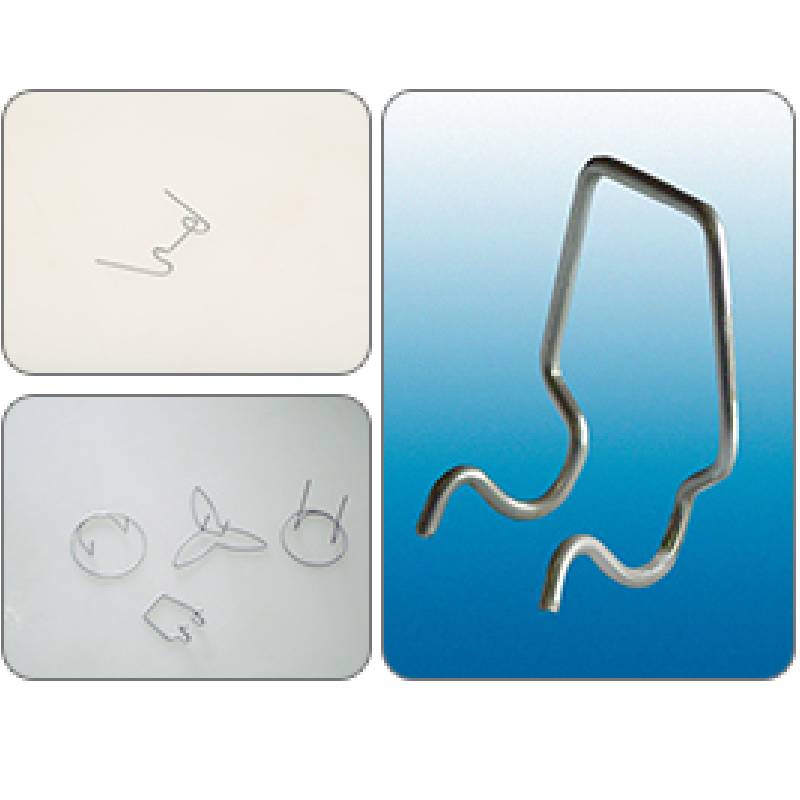
Image: High-performance wire clips designed for demanding industrial environments.
The Meticulous Manufacturing Process of a High-Quality Wire Clip
Producing a reliable industrial Wire Clip is a multi-stage process that demands precision, material expertise, and stringent quality control. Here’s a detailed look at the typical manufacturing flow:
1. Material Selection & Preparation
This foundational step involves selecting high-grade materials such as stainless steel (e.g., SS304, SS316, SS316L), galvanized carbon steel, or specialized alloys. Materials are sourced from certified suppliers, meeting ASTM A276, ASTM A36, or similar international standards for chemical composition and mechanical properties. Raw materials undergo initial inspection for defects and dimensional accuracy.
2. Cutting & Forming
Depending on the design, materials are cut using precision shearing, laser cutting, or CNC machining. This ensures accurate blank dimensions. Subsequently, the blanks are formed into the desired clip shape through cold forming, stamping, or hot forging processes. Hot forging is often preferred for high-strength clips as it refines grain structure and enhances tensile strength and fatigue resistance.
3. Machining & Finishing
Critical dimensions, threads, and surface finishes are achieved through CNC machining. This ensures tight tolerances and smooth surfaces essential for proper wire rope interaction and prevention of abrasive wear. Deburring and polishing steps follow to eliminate sharp edges and improve aesthetic appeal and corrosion resistance.
4. Heat Treatment (If Required)
For carbon steel clips, heat treatment processes such as hardening, tempering, or annealing are applied to achieve specific mechanical properties, including increased hardness, ductility, and toughness, crucial for preventing brittle failure under stress. Stress relieving ensures dimensional stability and minimizes internal stresses.
5. Surface Treatment & Coating
To enhance corrosion resistance and prolong service life, clips undergo various surface treatments. Common methods include hot-dip galvanization (per ASTM A153 for superior rust protection, achieving 700-1000 hours in salt spray tests), electro-galvanization, zinc plating, or passivation for stainless steel (per ASTM A967). These treatments significantly extend the component's operational lifespan, particularly in challenging environments like petrochemical plants or marine settings, reducing replacement costs and downtime.
6. Quality Control & Testing
Every batch undergoes rigorous quality checks. This includes dimensional inspection (using CMM), material composition verification (spectrometry), mechanical testing (tensile strength, yield strength, hardness, fatigue testing), and corrosion resistance testing (salt spray chamber per ASTM B117). Clips are tested against international standards like EN 13411-1 and ANSI B30.26, ensuring they meet specified working load limits (WLL) and safety factors (typically 5:1 for critical applications). Non-destructive testing methods like magnetic particle inspection or liquid penetrant testing may be used for critical components.
7. Packaging & Delivery
Finished products are carefully packaged to prevent damage during transit, ensuring they arrive in optimal condition. Batch traceability is maintained throughout the process for accountability.
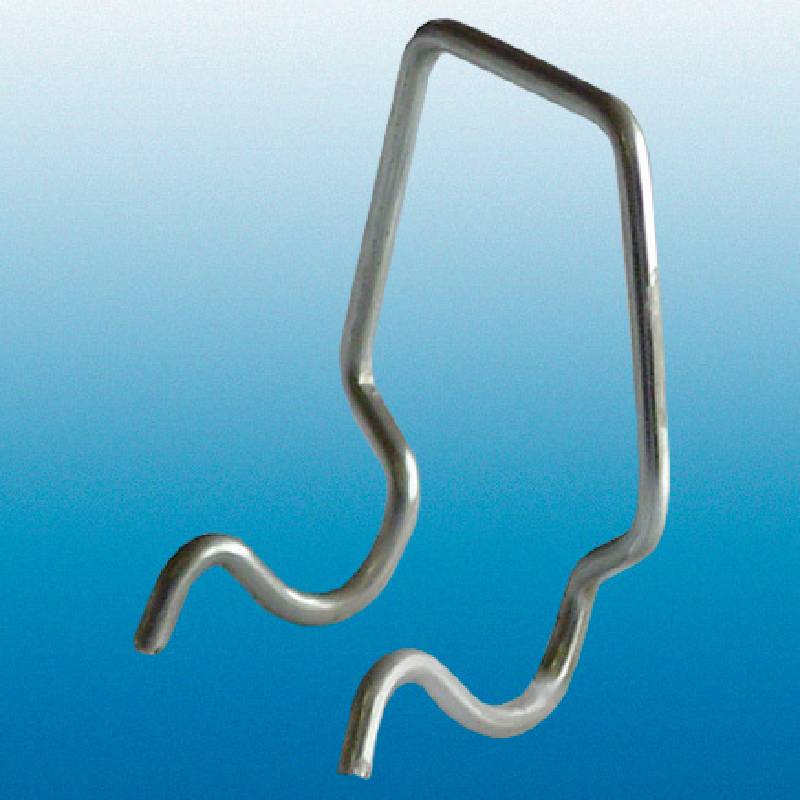
Image: Precision engineering and quality control are vital in Wire Clip production.
Technical Specifications and Performance Parameters
Understanding the precise technical parameters of a Wire Clip is essential for engineers and procurement specialists to ensure optimal performance and safety in diverse applications. The following table illustrates typical specifications for industrial-grade wire clips, showcasing the rigorous standards they meet.
Typical Wire Clip Product Specifications
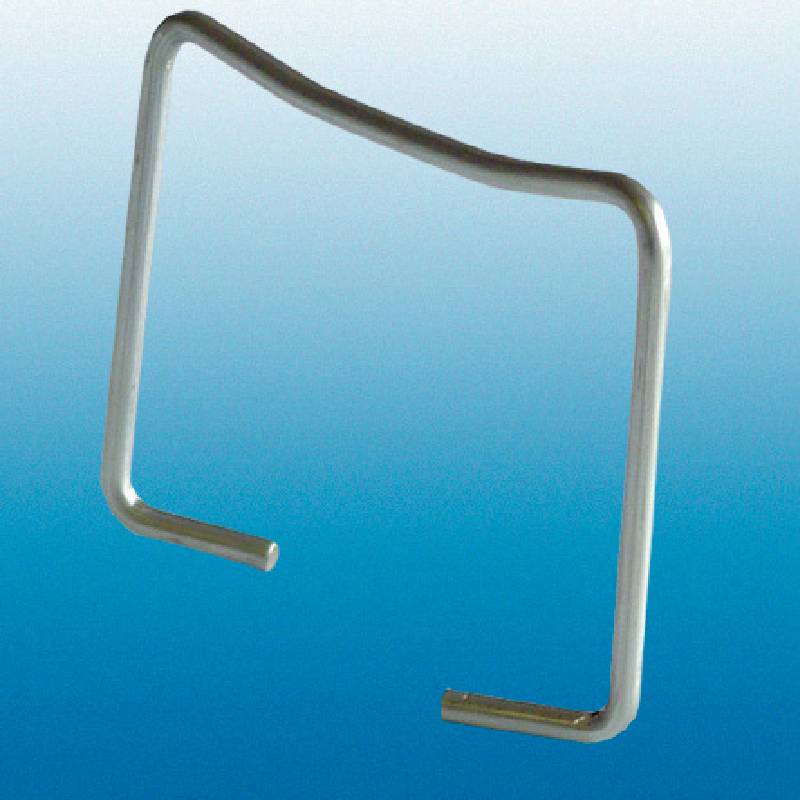
Image: Technical specifications are critical for selecting the right Wire Clip.
Diverse Application Scenarios Across Key Industries
The versatility of high-quality wire clips makes them indispensable across a multitude of industrial sectors. Their robust design ensures secure fastening in critical applications where safety and reliability cannot be compromised.
- Petrochemical & Offshore: In highly corrosive marine environments and petrochemical plants, Wire Clip made from SS316 or Duplex stainless steel is vital for securing rigging, tensioning lines, and supporting critical infrastructure. Their superior corrosion resistance ensures integrity against saltwater, acids, and aggressive chemicals, contributing to enhanced operational safety and extended service intervals.
- Metallurgy & Heavy Industry: For overhead cranes, hoists, and material handling systems in smelters and steel mills, heavy-duty forged carbon steel clips with robust galvanization are used to terminate wire ropes. They withstand extreme temperatures, heavy dynamic loads, and abrasive conditions, ensuring the safe movement of colossal weights.
- Water Supply & Drainage: Within water treatment plants and municipal infrastructure, clips are deployed in humid or submerged conditions. Stainless steel options prevent rust and biofouling, securing cabling for submersible pumps, purification systems, and pipe supports, ensuring long-term, maintenance-free operation.
- Construction & Infrastructure: From temporary scaffolding and structural bracing to permanent bridge supports and suspension systems, galvanized carbon steel wire clips provide essential stability. Their ease of installation and high load-bearing capacity are critical for rapid deployment and dependable structural integrity in construction projects.
- Energy Sector (Wind & Solar): In renewable energy installations, clips secure electrical cables, support guy wires for meteorological masts, and manage wire ropes in maintenance access systems. Their resistance to UV radiation, extreme temperatures, and wind loads ensures reliable operation in exposed, remote locations, directly supporting energy efficiency and operational uptime.
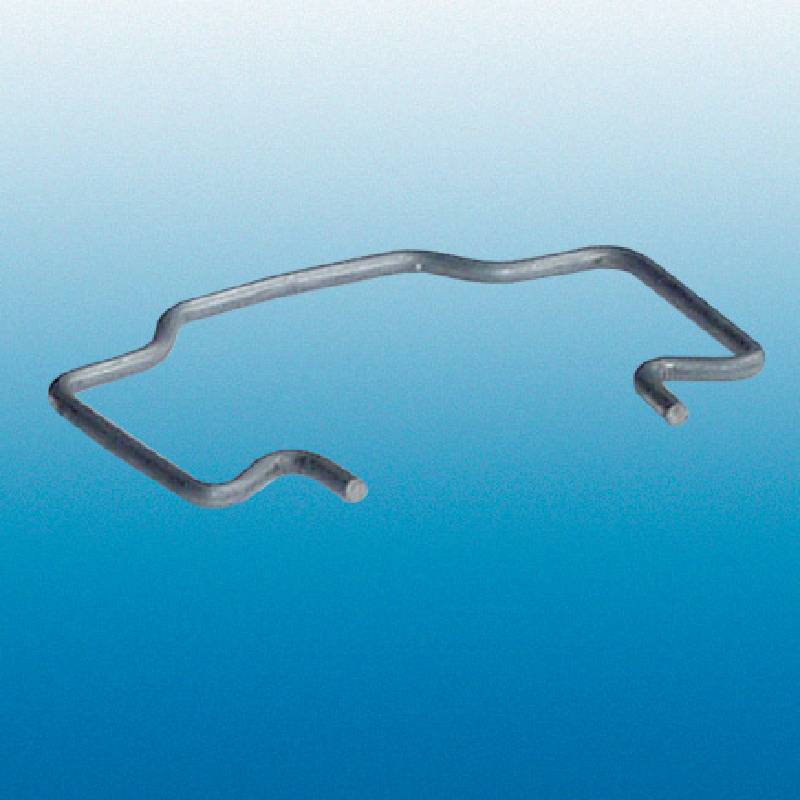
Image: Wire clips are essential in diverse industrial and construction applications.
Key Technical Advantages of Premium Wire Clips
Investing in high-grade wire clips offers significant advantages over standard alternatives, translating into enhanced operational efficiency, reduced maintenance costs, and superior safety protocols:
- Exceptional Corrosion Resistance: Through advanced galvanization techniques (hot-dip, electro-galvanization) and the use of marine-grade stainless steels (SS316/316L), premium clips offer extended protection against rust, oxidation, and chemical degradation, drastically increasing service life in harsh environments. This directly translates to energy saving by reducing the energy and resources spent on frequent replacements and maintenance.
- Superior Load-Bearing Capacity & Safety: Engineered with higher safety factors (typically 5:1 or 6:1 WLL to breaking strength ratio) and manufactured through forging, these clips provide robust and secure fastening for heavy-duty applications. This minimizes the risk of catastrophic failure, safeguarding personnel and costly equipment.
- Optimized Fatigue Resistance: Precision manufacturing and specialized heat treatments enhance the clip's resistance to cyclic loading and vibration, crucial for dynamic applications such as crane rigging or vibratory machinery. This ensures a consistent and predictable service life.
- Dimensional Stability & Precision Fit: Adherence to tight manufacturing tolerances ensures a perfect fit with wire ropes of specified diameters, preventing slippage and uneven stress distribution. This precision is critical for maintaining the efficiency and safety of lifting and tensioning systems.
- Compliance with International Standards: Certified clips meet or exceed global benchmarks like ISO 9001, EN 13411, and ASME B30.26. This guarantees quality, reliability, and ease of integration into international projects, reducing compliance risks.
Vendor Comparison: Why Quality Matters for Your Wire Clip Investment
When selecting a supplier for industrial wire clips, the choice extends beyond mere cost. Factors such as material integrity, manufacturing excellence, and adherence to industry standards significantly impact long-term performance and overall project costs. Below is a comparison illustrating the distinctions between a premium vendor like CNTC Metal and standard market offerings.
Wire Clip Vendor Comparison
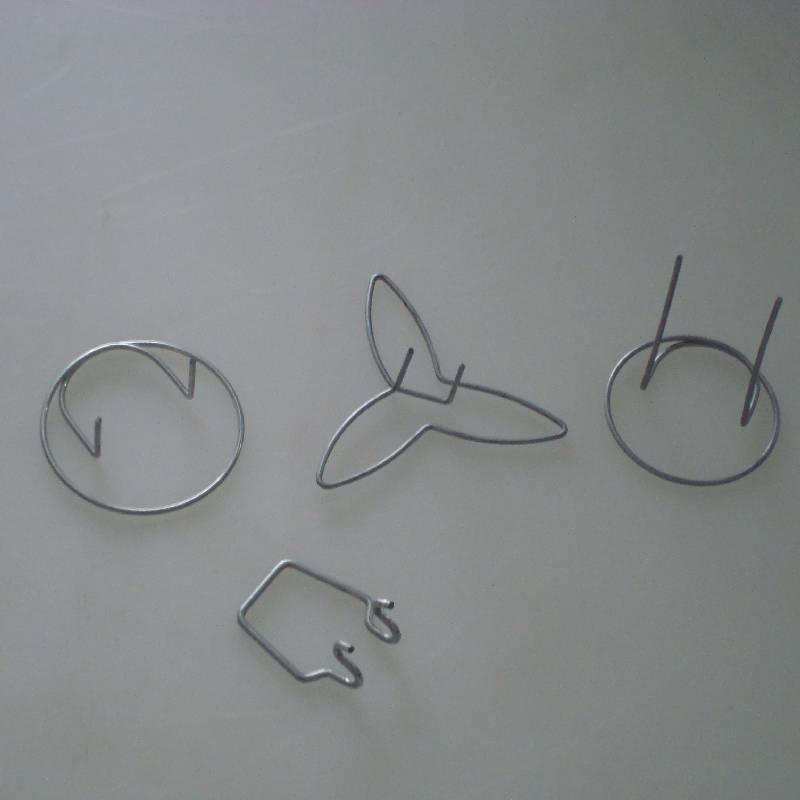
Image: The critical differences between a standard and a high-quality Wire Clip.
Tailored Excellence: Customized Wire Clip Solutions
Many industrial applications present unique challenges that standard, off-the-shelf components cannot adequately address. Recognizing this, leading manufacturers offer extensive customization options for their Wire Clip products. This bespoke approach ensures optimal performance and seamless integration into complex systems.
Customization can encompass:
- Material Selection: Beyond standard SS304/316 and galvanized steel, specialized alloys like Inconel for high-temperature applications, or specific grades of Duplex stainless steel for enhanced corrosion-fatigue resistance in marine environments.
- Dimensions and Geometry: Precisely engineered to accommodate non-standard wire rope diameters, unique mounting configurations, or space constraints within machinery. This includes variations in saddle design, bolt lengths, and overall body shape.
- Surface Finishes: Tailored coatings for specific environmental protection, such as PTFE coatings for low friction and chemical inertness, or specialized paint systems for aesthetic integration and additional environmental shielding.
- Load Rating & Safety Factors: Customized Working Load Limits (WLL) and safety factors to meet extreme project-specific demands, validated through extensive stress analysis and physical testing.
- Environmental Resistance: Solutions for ultra-high temperature, cryogenic, high-vibration, or severe chemical exposure, often involving unique material combinations and protective treatments.
Partnering with a manufacturer capable of delivering engineered-to-order Wire Clip solutions provides a distinct advantage, ensuring that critical components perform flawlessly under the most demanding conditions.
Real-World Application Case Studies
The efficacy and reliability of a high-quality Wire Clip are best demonstrated through its performance in challenging real-world scenarios. Our commitment to excellence has supported numerous complex projects globally.
Case Study 1: Offshore Oil Rig Cable Management
A major petrochemical client operating in the North Sea faced persistent issues with cable degradation and premature fastener failure on their offshore drilling platform. Standard galvanized clips succumbed to severe saltwater corrosion and constant vibration within 3-5 years, leading to costly unscheduled maintenance and safety concerns. We provided custom-designed Wire Clip units manufactured from Duplex Stainless Steel (UNS S31803) with an enhanced passivation treatment. These clips were engineered to a 6:1 safety factor for their specific cable diameters (up to 40mm). After 10 years in service, a recent inspection confirmed the integrity of all installed clips, exhibiting minimal degradation. This solution significantly reduced maintenance downtime by 70% and improved overall operational safety, translating into substantial long-term savings for the client.
Case Study 2: High-Capacity Mine Hoist System
A leading global mining corporation required an exceptionally robust fastening solution for the main hoist ropes in one of their deep-shaft mines. The existing clips, made from standard carbon steel, showed signs of fatigue and stress cracking after just 2 years due to the continuous heavy loads (up to 300 metric tons per lift cycle) and dynamic forces. Our team developed a specialized, forged alloy steel Wire Clip with a proprietary heat treatment process to maximize fatigue resistance and tensile strength (achieving a UTS of 1050 MPa). Each clip underwent individual ultrasonic testing and magnetic particle inspection to detect any subsurface flaws. The implementation of these high-performance clips resulted in a projected service life exceeding 20 years, eliminating the need for frequent, complex, and dangerous replacements, and ensuring uninterrupted mine operations. This investment protected critical infrastructure and enhanced worker safety under extreme conditions.
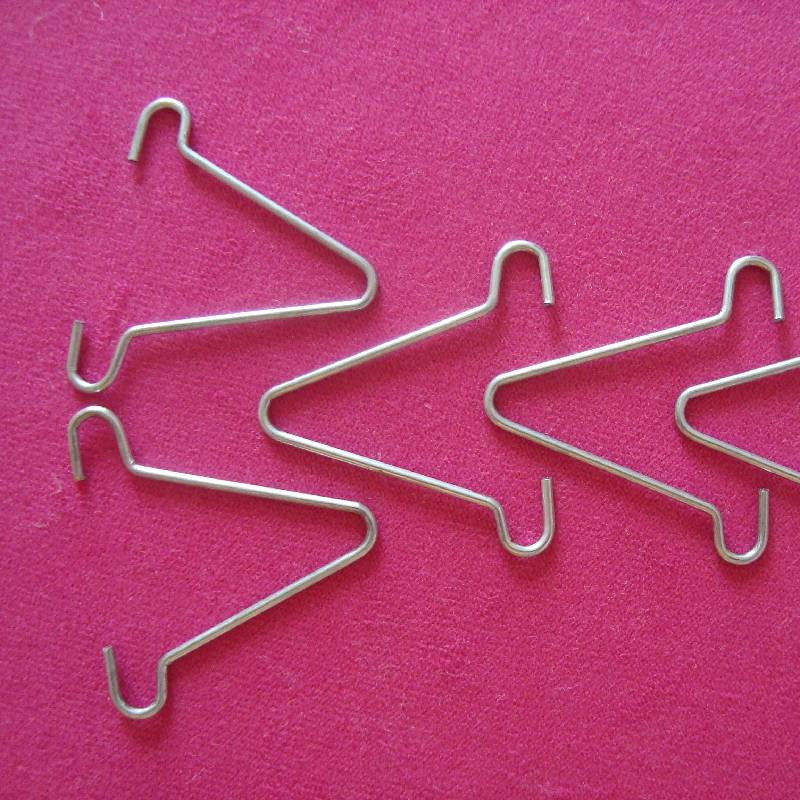
Image: Robust wire clips supporting critical infrastructure in demanding applications.
Frequently Asked Questions (FAQ)
Q: What materials are your industrial clips primarily manufactured from?
A: Our industrial clips are typically manufactured from high-grade forged carbon steel (C1045) for strength, and various stainless steel grades (SS304, SS316, SS316L) for superior corrosion resistance. We also offer specialized alloys for extreme environments.
Q: Do your products meet international safety and quality standards?
A: Absolutely. All our products are designed and manufactured to comply with stringent international standards including EN 13411-5, ASME B30.26, ISO 9001, ASTM A153, and ASTM A967. Full certification documentation is available upon request.
Q: What is the typical service life for your industrial clips?
A: With proper installation and maintenance, our premium clips are engineered for a service life ranging from 10 to 25+ years, depending on the material, application, and environmental conditions. Our rigorous testing and material selection contribute to this extended lifespan.
Q: Can I request customized solutions for unique project requirements?
A: Yes, we specialize in providing tailored solutions. Our engineering team can work with you to customize materials, dimensions, finishes, and load ratings to precisely match your specific application challenges and ensure optimal performance.
Q: How do you ensure the corrosion resistance of your clips in harsh environments?
A: We employ advanced surface treatments such as hot-dip galvanization (minimum 85 microns thickness per ASTM A153) and passivation for stainless steel. Our products undergo extensive salt spray testing (exceeding 700 hours) to validate their resistance in highly corrosive conditions.
Lead Time, Fulfillment, and Warranty Commitments
At CNTC Metal, we understand that timely delivery and reliable support are as crucial as product quality. We are committed to providing transparent and dependable service to our B2B clients.
Lead Time and Fulfillment:
Standard lead times for our range of products typically vary from 2 to 4 weeks, depending on order volume and specific customization requirements. We maintain a substantial inventory of popular sizes and materials to facilitate expedited orders. For large-scale projects or bespoke solutions, our sales team will provide a detailed production schedule and delivery estimate. We operate a robust global logistics network to ensure efficient and reliable delivery worldwide, minimizing project delays.
Warranty Commitments:
We stand behind the quality and durability of our wire clips with a comprehensive warranty against manufacturing defects and material failures under normal operating conditions. Our standard warranty period is 2 years from the date of purchase. Specific project warranties may be negotiated for extended periods based on application severity and product specifications. This commitment reflects our confidence in our stringent quality control processes and the superior materials used.
Image: Reliable lead times and strong warranty for your Wire Clip needs.
Dedicated Customer Support and After-Sales Service
Our commitment to our clients extends far beyond the point of sale. We provide robust customer support and comprehensive after-sales service to ensure the long-term success of your projects and the optimal performance of our products.
- Technical Consultation: Our team of experienced engineers and product specialists is available to provide expert guidance on product selection, application specifics, installation best practices, and troubleshooting. We assist in identifying the most suitable clip for your unique operational requirements.
- Responsive Support Channels: Clients can reach us via dedicated phone lines, email support, and an online portal for prompt assistance. We prioritize quick response times to minimize any potential operational disruptions.
- Documentation and Resources: We provide comprehensive technical data sheets, installation guides, maintenance recommendations, and certification documents for all our products, empowering your teams with essential information.
- Field Service and Inspection: For critical or complex installations, we offer optional on-site technical assistance and periodic inspection services to ensure continued optimal performance and adherence to safety standards.
- Feedback and Continuous Improvement: We actively solicit customer feedback to continuously refine our products and services, fostering a partnership approach to innovation and quality.
Your success is our priority, and our dedicated support infrastructure is designed to provide peace of mind throughout the lifecycle of our products.
Conclusion and Authoritative References
The selection of an industrial wire rope fastening clip is far from a trivial decision. It dictates the safety, efficiency, and longevity of critical infrastructure across numerous demanding sectors. By prioritizing robust materials, advanced manufacturing processes, stringent quality control, and comprehensive after-sales support, B2B stakeholders can secure components that not only meet but exceed operational expectations. The long-term value derived from investing in premium, certified solutions far outweighs initial cost considerations, leading to reduced total cost of ownership, enhanced safety, and uninterrupted operational flow.
References:
- ASTM International. (n.d.). ASTM A153/A153M-16: Standard Specification for Zinc Coating (Hot-Dip) on Iron and Steel Hardware. Retrieved from www.astm.org
- International Organization for Standardization. (n.d.). ISO 9001:2015 Quality management systems — Requirements. Retrieved from www.iso.org
- European Committee for Standardization. (n.d.). EN 13411-5:2003+A1:2008 Terminations for steel wire ropes - Safety - Part 5: U-bolt wire rope grips. Retrieved from www.cenelec.eu
- American Society of Mechanical Engineers. (n.d.). ASME B30.26-2015 Rigging Hardware. Retrieved from www.asme.org
- Corrosionpedia. (n.d.). Duplex Stainless Steel. Retrieved from www.corrosionpedia.com
share:
-
Factors Influencing Hexagonal Wire Mesh Price and Buyer GuideNewsApr.16,2026
-
Understanding the Price of Chicken Mesh and Buying GuideNewsApr.09,2026
-
Comprehensive Guide to Understanding and Optimizing Poultry Net Price StrategiesNewsApr.07,2026
-
Understanding Hen Net Price for Optimal International Metal TradingNewsApr.04,2026
-
Comprehensive Guide to Chicken Wire Fence Price and Installation CostsNewsMar.31,2026
-
Comprehensive Guide to Chicken Netting Price Factors and OptionsNewsMar.28,2026
-
Comprehensive Guide to Chicken Net Fence Price and Optimal SelectionNewsMar.26,2026
Secure & Durable Wire Clips for Cable Management | Easy Install
The Indispensable Role of Advanced Wire Clips in Industrial Applications
In the realm of industrial infrastructure, the integrity of cable and wire management is paramount. Components that might seem minor, such as a Wire Clip, play a critical role in ensuring operational safety, system longevity, and structural stability. Modern industrial environments demand fasteners that transcend basic functionality, offering unparalleled durability, corrosion resistance, and precision engineering. This comprehensive overview delves into the intricate world of these essential components, exploring their manufacturing, applications, and the competitive edge they provide.
Designed for rigorous conditions, high-performance wire clips are engineered to secure wire ropes, cables, and various other flexible elements, preventing slippage and maintaining tension. Their utility spans a vast array of sectors, from the high-stress demands of petrochemical plants to the precision requirements of advanced manufacturing. Understanding the technical nuances, industry trends, and strategic advantages associated with selecting the right Wire Clip is crucial for B2B decision-makers and engineering procurement teams.
Current Industry Trends and Market Demands for Wire Clips
The industrial landscape is continuously evolving, driving advancements in component design and material science. Key trends impacting the demand and specifications for industrial Wire Clip solutions include:
- Enhanced Material Durability: A growing emphasis on extending service life in extreme conditions, leading to increased adoption of specialized alloys like Duplex and Super Duplex stainless steels, alongside advanced galvanization techniques for carbon steel.
- Corrosion Resistance: With industries like marine, chemical processing, and wastewater treatment expanding, the demand for clips that withstand aggressive corrosive agents is accelerating. This includes innovative surface treatments and inherently resistant materials.
- Sustainable Manufacturing: There's a push towards processes that minimize environmental impact, optimize resource utilization, and offer products with longer lifecycles, reducing waste and replacement frequencies.
- Standardization and Certification: Globalized supply chains and stringent safety regulations require compliance with international standards such as ISO, ASTM, and DIN, ensuring interoperability and guaranteed performance benchmarks.
- Customization and Specialization: As industrial applications become more niche, there's a rising need for tailor-made Wire Clip solutions that meet precise load capacities, environmental resistances, and unique structural integration requirements.
Image: High-performance wire clips designed for demanding industrial environments.
The Meticulous Manufacturing Process of a High-Quality Wire Clip
Producing a reliable industrial Wire Clip is a multi-stage process that demands precision, material expertise, and stringent quality control. Here’s a detailed look at the typical manufacturing flow:
1. Material Selection & Preparation
This foundational step involves selecting high-grade materials such as stainless steel (e.g., SS304, SS316, SS316L), galvanized carbon steel, or specialized alloys. Materials are sourced from certified suppliers, meeting ASTM A276, ASTM A36, or similar international standards for chemical composition and mechanical properties. Raw materials undergo initial inspection for defects and dimensional accuracy.
2. Cutting & Forming
Depending on the design, materials are cut using precision shearing, laser cutting, or CNC machining. This ensures accurate blank dimensions. Subsequently, the blanks are formed into the desired clip shape through cold forming, stamping, or hot forging processes. Hot forging is often preferred for high-strength clips as it refines grain structure and enhances tensile strength and fatigue resistance.
3. Machining & Finishing
Critical dimensions, threads, and surface finishes are achieved through CNC machining. This ensures tight tolerances and smooth surfaces essential for proper wire rope interaction and prevention of abrasive wear. Deburring and polishing steps follow to eliminate sharp edges and improve aesthetic appeal and corrosion resistance.
4. Heat Treatment (If Required)
For carbon steel clips, heat treatment processes such as hardening, tempering, or annealing are applied to achieve specific mechanical properties, including increased hardness, ductility, and toughness, crucial for preventing brittle failure under stress. Stress relieving ensures dimensional stability and minimizes internal stresses.
5. Surface Treatment & Coating
To enhance corrosion resistance and prolong service life, clips undergo various surface treatments. Common methods include hot-dip galvanization (per ASTM A153 for superior rust protection, achieving 700-1000 hours in salt spray tests), electro-galvanization, zinc plating, or passivation for stainless steel (per ASTM A967). These treatments significantly extend the component's operational lifespan, particularly in challenging environments like petrochemical plants or marine settings, reducing replacement costs and downtime.
6. Quality Control & Testing
Every batch undergoes rigorous quality checks. This includes dimensional inspection (using CMM), material composition verification (spectrometry), mechanical testing (tensile strength, yield strength, hardness, fatigue testing), and corrosion resistance testing (salt spray chamber per ASTM B117). Clips are tested against international standards like EN 13411-1 and ANSI B30.26, ensuring they meet specified working load limits (WLL) and safety factors (typically 5:1 for critical applications). Non-destructive testing methods like magnetic particle inspection or liquid penetrant testing may be used for critical components.
7. Packaging & Delivery
Finished products are carefully packaged to prevent damage during transit, ensuring they arrive in optimal condition. Batch traceability is maintained throughout the process for accountability.
Image: Precision engineering and quality control are vital in Wire Clip production.
Technical Specifications and Performance Parameters
Understanding the precise technical parameters of a Wire Clip is essential for engineers and procurement specialists to ensure optimal performance and safety in diverse applications. The following table illustrates typical specifications for industrial-grade wire clips, showcasing the rigorous standards they meet.
Typical Wire Clip Product Specifications
Image: Technical specifications are critical for selecting the right Wire Clip.
Diverse Application Scenarios Across Key Industries
The versatility of high-quality wire clips makes them indispensable across a multitude of industrial sectors. Their robust design ensures secure fastening in critical applications where safety and reliability cannot be compromised.
- Petrochemical & Offshore: In highly corrosive marine environments and petrochemical plants, Wire Clip made from SS316 or Duplex stainless steel is vital for securing rigging, tensioning lines, and supporting critical infrastructure. Their superior corrosion resistance ensures integrity against saltwater, acids, and aggressive chemicals, contributing to enhanced operational safety and extended service intervals.
- Metallurgy & Heavy Industry: For overhead cranes, hoists, and material handling systems in smelters and steel mills, heavy-duty forged carbon steel clips with robust galvanization are used to terminate wire ropes. They withstand extreme temperatures, heavy dynamic loads, and abrasive conditions, ensuring the safe movement of colossal weights.
- Water Supply & Drainage: Within water treatment plants and municipal infrastructure, clips are deployed in humid or submerged conditions. Stainless steel options prevent rust and biofouling, securing cabling for submersible pumps, purification systems, and pipe supports, ensuring long-term, maintenance-free operation.
- Construction & Infrastructure: From temporary scaffolding and structural bracing to permanent bridge supports and suspension systems, galvanized carbon steel wire clips provide essential stability. Their ease of installation and high load-bearing capacity are critical for rapid deployment and dependable structural integrity in construction projects.
- Energy Sector (Wind & Solar): In renewable energy installations, clips secure electrical cables, support guy wires for meteorological masts, and manage wire ropes in maintenance access systems. Their resistance to UV radiation, extreme temperatures, and wind loads ensures reliable operation in exposed, remote locations, directly supporting energy efficiency and operational uptime.
Image: Wire clips are essential in diverse industrial and construction applications.
Key Technical Advantages of Premium Wire Clips
Investing in high-grade wire clips offers significant advantages over standard alternatives, translating into enhanced operational efficiency, reduced maintenance costs, and superior safety protocols:
- Exceptional Corrosion Resistance: Through advanced galvanization techniques (hot-dip, electro-galvanization) and the use of marine-grade stainless steels (SS316/316L), premium clips offer extended protection against rust, oxidation, and chemical degradation, drastically increasing service life in harsh environments. This directly translates to energy saving by reducing the energy and resources spent on frequent replacements and maintenance.
- Superior Load-Bearing Capacity & Safety: Engineered with higher safety factors (typically 5:1 or 6:1 WLL to breaking strength ratio) and manufactured through forging, these clips provide robust and secure fastening for heavy-duty applications. This minimizes the risk of catastrophic failure, safeguarding personnel and costly equipment.
- Optimized Fatigue Resistance: Precision manufacturing and specialized heat treatments enhance the clip's resistance to cyclic loading and vibration, crucial for dynamic applications such as crane rigging or vibratory machinery. This ensures a consistent and predictable service life.
- Dimensional Stability & Precision Fit: Adherence to tight manufacturing tolerances ensures a perfect fit with wire ropes of specified diameters, preventing slippage and uneven stress distribution. This precision is critical for maintaining the efficiency and safety of lifting and tensioning systems.
- Compliance with International Standards: Certified clips meet or exceed global benchmarks like ISO 9001, EN 13411, and ASME B30.26. This guarantees quality, reliability, and ease of integration into international projects, reducing compliance risks.
Vendor Comparison: Why Quality Matters for Your Wire Clip Investment
When selecting a supplier for industrial wire clips, the choice extends beyond mere cost. Factors such as material integrity, manufacturing excellence, and adherence to industry standards significantly impact long-term performance and overall project costs. Below is a comparison illustrating the distinctions between a premium vendor like CNTC Metal and standard market offerings.
Wire Clip Vendor Comparison
Image: The critical differences between a standard and a high-quality Wire Clip.
Tailored Excellence: Customized Wire Clip Solutions
Many industrial applications present unique challenges that standard, off-the-shelf components cannot adequately address. Recognizing this, leading manufacturers offer extensive customization options for their Wire Clip products. This bespoke approach ensures optimal performance and seamless integration into complex systems.
Customization can encompass:
- Material Selection: Beyond standard SS304/316 and galvanized steel, specialized alloys like Inconel for high-temperature applications, or specific grades of Duplex stainless steel for enhanced corrosion-fatigue resistance in marine environments.
- Dimensions and Geometry: Precisely engineered to accommodate non-standard wire rope diameters, unique mounting configurations, or space constraints within machinery. This includes variations in saddle design, bolt lengths, and overall body shape.
- Surface Finishes: Tailored coatings for specific environmental protection, such as PTFE coatings for low friction and chemical inertness, or specialized paint systems for aesthetic integration and additional environmental shielding.
- Load Rating & Safety Factors: Customized Working Load Limits (WLL) and safety factors to meet extreme project-specific demands, validated through extensive stress analysis and physical testing.
- Environmental Resistance: Solutions for ultra-high temperature, cryogenic, high-vibration, or severe chemical exposure, often involving unique material combinations and protective treatments.
Partnering with a manufacturer capable of delivering engineered-to-order Wire Clip solutions provides a distinct advantage, ensuring that critical components perform flawlessly under the most demanding conditions.
Real-World Application Case Studies
The efficacy and reliability of a high-quality Wire Clip are best demonstrated through its performance in challenging real-world scenarios. Our commitment to excellence has supported numerous complex projects globally.
Case Study 1: Offshore Oil Rig Cable Management
A major petrochemical client operating in the North Sea faced persistent issues with cable degradation and premature fastener failure on their offshore drilling platform. Standard galvanized clips succumbed to severe saltwater corrosion and constant vibration within 3-5 years, leading to costly unscheduled maintenance and safety concerns. We provided custom-designed Wire Clip units manufactured from Duplex Stainless Steel (UNS S31803) with an enhanced passivation treatment. These clips were engineered to a 6:1 safety factor for their specific cable diameters (up to 40mm). After 10 years in service, a recent inspection confirmed the integrity of all installed clips, exhibiting minimal degradation. This solution significantly reduced maintenance downtime by 70% and improved overall operational safety, translating into substantial long-term savings for the client.
Case Study 2: High-Capacity Mine Hoist System
A leading global mining corporation required an exceptionally robust fastening solution for the main hoist ropes in one of their deep-shaft mines. The existing clips, made from standard carbon steel, showed signs of fatigue and stress cracking after just 2 years due to the continuous heavy loads (up to 300 metric tons per lift cycle) and dynamic forces. Our team developed a specialized, forged alloy steel Wire Clip with a proprietary heat treatment process to maximize fatigue resistance and tensile strength (achieving a UTS of 1050 MPa). Each clip underwent individual ultrasonic testing and magnetic particle inspection to detect any subsurface flaws. The implementation of these high-performance clips resulted in a projected service life exceeding 20 years, eliminating the need for frequent, complex, and dangerous replacements, and ensuring uninterrupted mine operations. This investment protected critical infrastructure and enhanced worker safety under extreme conditions.
Image: Robust wire clips supporting critical infrastructure in demanding applications.
Frequently Asked Questions (FAQ)
Q: What materials are your industrial clips primarily manufactured from?
A: Our industrial clips are typically manufactured from high-grade forged carbon steel (C1045) for strength, and various stainless steel grades (SS304, SS316, SS316L) for superior corrosion resistance. We also offer specialized alloys for extreme environments.
Q: Do your products meet international safety and quality standards?
A: Absolutely. All our products are designed and manufactured to comply with stringent international standards including EN 13411-5, ASME B30.26, ISO 9001, ASTM A153, and ASTM A967. Full certification documentation is available upon request.
Q: What is the typical service life for your industrial clips?
A: With proper installation and maintenance, our premium clips are engineered for a service life ranging from 10 to 25+ years, depending on the material, application, and environmental conditions. Our rigorous testing and material selection contribute to this extended lifespan.
Q: Can I request customized solutions for unique project requirements?
A: Yes, we specialize in providing tailored solutions. Our engineering team can work with you to customize materials, dimensions, finishes, and load ratings to precisely match your specific application challenges and ensure optimal performance.
Q: How do you ensure the corrosion resistance of your clips in harsh environments?
A: We employ advanced surface treatments such as hot-dip galvanization (minimum 85 microns thickness per ASTM A153) and passivation for stainless steel. Our products undergo extensive salt spray testing (exceeding 700 hours) to validate their resistance in highly corrosive conditions.
Lead Time, Fulfillment, and Warranty Commitments
At CNTC Metal, we understand that timely delivery and reliable support are as crucial as product quality. We are committed to providing transparent and dependable service to our B2B clients.
Lead Time and Fulfillment:
Standard lead times for our range of products typically vary from 2 to 4 weeks, depending on order volume and specific customization requirements. We maintain a substantial inventory of popular sizes and materials to facilitate expedited orders. For large-scale projects or bespoke solutions, our sales team will provide a detailed production schedule and delivery estimate. We operate a robust global logistics network to ensure efficient and reliable delivery worldwide, minimizing project delays.
Warranty Commitments:
We stand behind the quality and durability of our wire clips with a comprehensive warranty against manufacturing defects and material failures under normal operating conditions. Our standard warranty period is 2 years from the date of purchase. Specific project warranties may be negotiated for extended periods based on application severity and product specifications. This commitment reflects our confidence in our stringent quality control processes and the superior materials used.
Image: Reliable lead times and strong warranty for your Wire Clip needs.
Dedicated Customer Support and After-Sales Service
Our commitment to our clients extends far beyond the point of sale. We provide robust customer support and comprehensive after-sales service to ensure the long-term success of your projects and the optimal performance of our products.
- Technical Consultation: Our team of experienced engineers and product specialists is available to provide expert guidance on product selection, application specifics, installation best practices, and troubleshooting. We assist in identifying the most suitable clip for your unique operational requirements.
- Responsive Support Channels: Clients can reach us via dedicated phone lines, email support, and an online portal for prompt assistance. We prioritize quick response times to minimize any potential operational disruptions.
- Documentation and Resources: We provide comprehensive technical data sheets, installation guides, maintenance recommendations, and certification documents for all our products, empowering your teams with essential information.
- Field Service and Inspection: For critical or complex installations, we offer optional on-site technical assistance and periodic inspection services to ensure continued optimal performance and adherence to safety standards.
- Feedback and Continuous Improvement: We actively solicit customer feedback to continuously refine our products and services, fostering a partnership approach to innovation and quality.
Your success is our priority, and our dedicated support infrastructure is designed to provide peace of mind throughout the lifecycle of our products.
Conclusion and Authoritative References
The selection of an industrial wire rope fastening clip is far from a trivial decision. It dictates the safety, efficiency, and longevity of critical infrastructure across numerous demanding sectors. By prioritizing robust materials, advanced manufacturing processes, stringent quality control, and comprehensive after-sales support, B2B stakeholders can secure components that not only meet but exceed operational expectations. The long-term value derived from investing in premium, certified solutions far outweighs initial cost considerations, leading to reduced total cost of ownership, enhanced safety, and uninterrupted operational flow.
References:
- ASTM International. (n.d.). ASTM A153/A153M-16: Standard Specification for Zinc Coating (Hot-Dip) on Iron and Steel Hardware. Retrieved from www.astm.org
- International Organization for Standardization. (n.d.). ISO 9001:2015 Quality management systems — Requirements. Retrieved from www.iso.org
- European Committee for Standardization. (n.d.). EN 13411-5:2003+A1:2008 Terminations for steel wire ropes - Safety - Part 5: U-bolt wire rope grips. Retrieved from www.cenelec.eu
- American Society of Mechanical Engineers. (n.d.). ASME B30.26-2015 Rigging Hardware. Retrieved from www.asme.org
- Corrosionpedia. (n.d.). Duplex Stainless Steel. Retrieved from www.corrosionpedia.com
share:
-
Factors Influencing Hexagonal Wire Mesh Price and Buyer GuideNewsApr.16,2026
-
Understanding the Price of Chicken Mesh and Buying GuideNewsApr.09,2026
-
Comprehensive Guide to Understanding and Optimizing Poultry Net Price StrategiesNewsApr.07,2026
-
Understanding Hen Net Price for Optimal International Metal TradingNewsApr.04,2026
-
Comprehensive Guide to Chicken Wire Fence Price and Installation CostsNewsMar.31,2026
-
Comprehensive Guide to Chicken Netting Price Factors and OptionsNewsMar.28,2026
-
Comprehensive Guide to Chicken Net Fence Price and Optimal SelectionNewsMar.26,2026