
- Mobile Phone
- +8613931874955
- sales@cntcmetal.com
Secure Brick Tie Wires & Masonry Ties | Durable Wall Straps
Navigating the Evolution of Masonry Reinforcement: Understanding Brick Tie Wires
In the dynamic landscape of modern construction, the integrity and longevity of masonry structures are paramount. At the heart of this structural resilience are brick tie wires, essential components that connect masonry veneers to structural backing or reinforce multi-wythe walls. These unassuming yet critical elements play a pivotal role in ensuring the stability, durability, and seismic performance of buildings across various sectors.
The industry is currently witnessing a significant trend towards higher-performance materials and more sophisticated designs for masonry reinforcement. There's an increasing demand for solutions that offer superior corrosion resistance, enhanced load-bearing capacities, and simplified installation processes. Sustainability and extended service life are also driving innovations, pushing manufacturers to develop products like advanced brick wall straps and corrugated masonry ties that meet stringent environmental and structural requirements. The focus has shifted towards robust solutions capable of withstanding extreme weather conditions, seismic activity, and aggressive industrial environments, thereby reducing maintenance costs and improving overall structural safety.
Engineers and architects are specifying sophisticated concrete block wall ties and stone veneer ties that provide both structural integrity and aesthetic flexibility, particularly in large-scale commercial and public infrastructure projects. The adoption of stainless steel for these applications is growing due to its unparalleled durability and resistance to various forms of degradation. This evolution underscores the importance of selecting not just any tie, but the right masonry wire tie solution engineered for specific project demands, ensuring compliance with international building codes and standards.
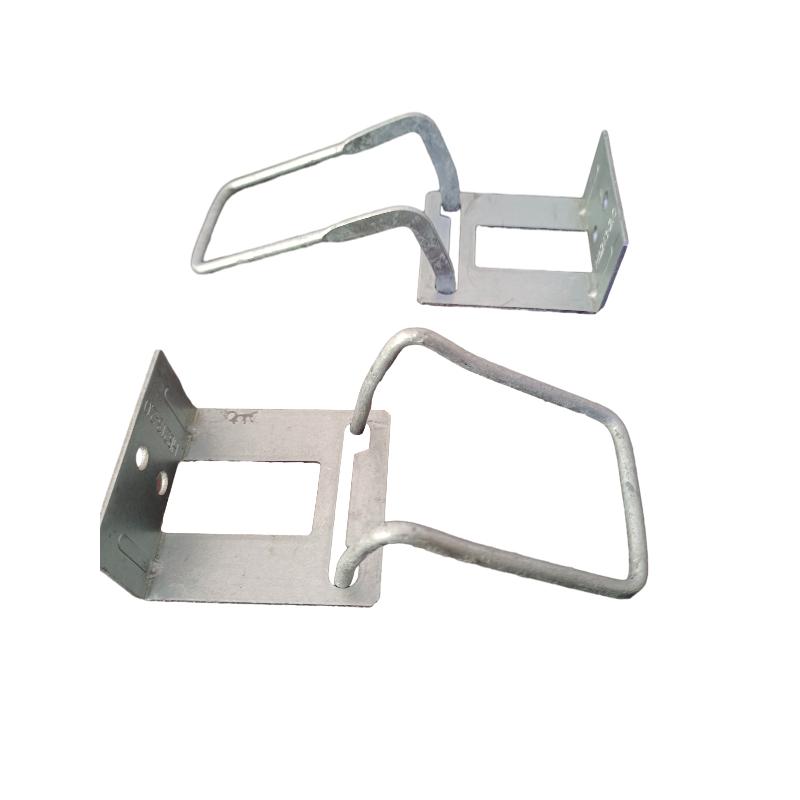
Fig 1: Modern high-performance brick tie wires in construction applications.
Precision Engineering: The Manufacturing Process of Brick Tie Wires
The manufacturing of high-quality masonry wire ties is a meticulous process, demanding precision and adherence to stringent quality controls. Our production, exemplified by products like the Double Pintle Tie, ensures superior performance and longevity. The process flow is critical to achieving the desired material properties and structural integrity.
Materials and Fabrication Techniques:
- Raw Material Selection: Primarily, high-grade stainless steel (AISI 304, 316) or galvanized steel is used. Stainless steel offers superior corrosion resistance, making it ideal for aggressive environments and projects demanding a long service life of 50+ years. Galvanized steel provides excellent protection for general construction.
- Cutting and Shaping: Precisely cut from wire coils, the material then undergoes advanced forming processes. This can include stamping, cold forging, or CNC bending to achieve the intricate shapes required for specific masonry tie designs, such as pintles or corrugated profiles.
- Welding (if applicable): For certain tie configurations, resistance welding may be employed to join different components, ensuring a strong, monolithic structure without compromising material integrity.
- Surface Treatment: For galvanized steel ties, hot-dip galvanization is applied post-fabrication to ensure complete coating coverage and enhanced corrosion protection. Stainless steel ties undergo passivation to maximize their inherent corrosion resistance.
- Quality Control & Testing: Throughout the process, strict quality control measures are implemented. This includes material composition verification, dimensional accuracy checks, and mechanical testing (e.g., tensile strength, shear resistance) in accordance with standards like ISO 9001, ASTM A1064/A1064M, and BIA Technical Notes. This ensures every steel to masonry tie meets or exceeds performance specifications.
- Packaging: Finished ties are carefully packaged to prevent damage during transit and storage.
Target Industries and Advantages:
Our high-quality brick tie wires are indispensable across a broad spectrum of industries, including:
- Commercial & Residential Construction: For multi-story buildings, cavity walls, and veneer applications.
- Infrastructure Projects: Bridges, tunnels, and retaining walls where structural resilience is critical.
- Industrial Facilities: Petrochemical plants, metallurgy complexes, and water supply & drainage systems where corrosion resistance is paramount due to exposure to aggressive chemicals or harsh environments.
In these demanding scenarios, our ties demonstrate significant advantages: enhanced corrosion resistance, especially with stainless steel options, contributes to a longer service life, indirectly leading to energy savings by reducing the need for frequent repairs and replacements. Their robust design ensures superior structural stability, crucial for seismic zones and tall structures, aligning with modern building science principles.
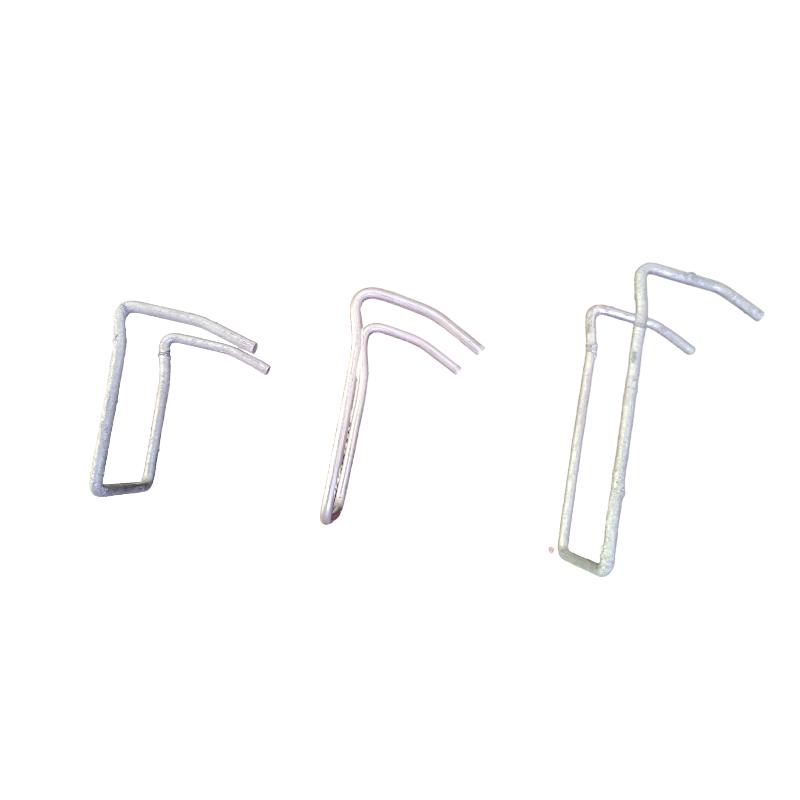
Fig 2: Manufacturing process of precision-engineered masonry ties.
Technical Specifications and Performance Parameters
Understanding the technical specifications of brick tie wires is crucial for ensuring optimal structural performance and compliance with building codes. The Double Pintle Tie, a prominent example of modern masonry ties, offers a robust solution for connecting masonry veneers to various backing systems. Its design facilitates excellent adjustability while maintaining strong load transfer capabilities.
Key parameters such as material grade, wire diameter, and coating type directly influence the tie's load-bearing capacity, corrosion resistance, and overall service life. Architects and structural engineers rely on these detailed specifications to select the appropriate brickwork accessories for their projects, especially when dealing with specific environmental conditions or structural demands. Below is a detailed table outlining typical specifications for our Double Pintle Tie, along with common variations in masonry tie solutions.
Product Specification Table: Double Pintle Tie & General Masonry Ties
| Parameter | Double Pintle Tie (Typical) | Corrugated Masonry Tie (Typical) | Heavy-Duty Stone Veneer Tie (Typical) |
|---|---|---|---|
| Material Grade | AISI 304/316 Stainless Steel, Galvanized Steel | Galvanized Steel, AISI 304 Stainless Steel | AISI 304/316 Stainless Steel, Heavy Galvanized Steel |
| Wire/Strip Gauge (Thickness) | 9 Gauge (3.76mm) Standard | 22-16 Gauge (0.76-1.52mm) | 14-12 Gauge (1.93-2.64mm) |
| Length (Standard Range) | Up to 6 inches (152mm), customizable | 6-12 inches (152-305mm) | Up to 8 inches (203mm), customizable |
| Ultimate Tensile Load (kN) | 2.5 - 3.5 (ASTM E754) | 0.7 - 1.5 (ASTM E754) | 4.0 - 6.0 (ASTM E754) |
| Ultimate Shear Load (kN) | 1.8 - 2.8 (ASTM E754) | 0.5 - 1.0 (ASTM E754) | 3.0 - 5.0 (ASTM E754) |
| Corrosion Resistance | Excellent (Stainless), Very Good (Galvanized) | Good (Galvanized), Excellent (Stainless) | Superior (Stainless), Excellent (Heavy Galvanized) |
| Adjustability | High (vertical & horizontal) | Limited (some horizontal) | Moderate (vertical) |
| Compliance | ASTM A1064/A1064M, CSA A370, BIA Tech Notes | ASTM A1064/A1064M, CSA A370 | ASTM A1064/A1064M, CSA A370 |
The selection of the appropriate masonry tie configuration, such as a Double Pintle Tie, is highly dependent on the specific structural requirements and environmental conditions of the project. Understanding these technical nuances allows for informed decision-making, ensuring the longevity and safety of masonry assemblies.
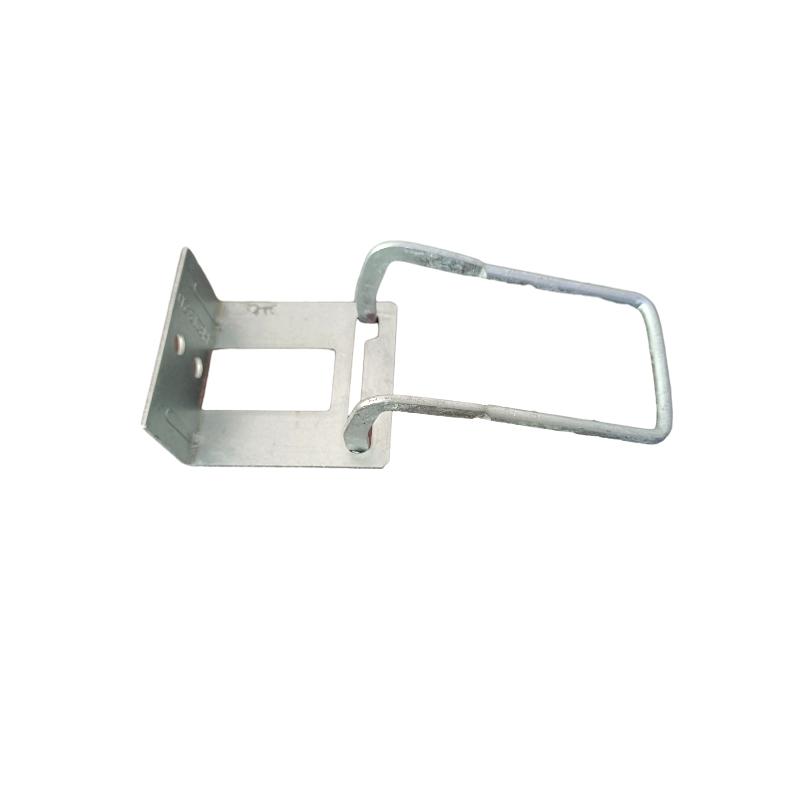
Fig 3: Close-up of masonry wire ties, showcasing design and material quality.
Diverse Application Scenarios of Masonry Ties
The versatility of brick tie wires extends across a broad range of construction applications, from residential facades to complex industrial structures. Their primary function is to provide essential lateral support, anchoring the masonry veneer to the structural frame or to interior wythes of multi-wythe walls, thereby preventing bowing, bulging, or cracking.
Key Application Areas:
- Cavity Wall Construction: This is arguably the most common application. Masonry ties span the cavity between the inner load-bearing wall (e.g., concrete block) and the outer brick veneer, allowing for insulation while maintaining structural connection.
- Veneer Masonry over Various Substrates: Ties are critical for attaching brick, stone, or precast concrete veneers to steel studs, wood studs, or concrete structures. Specialized steel to masonry ties and stone veneer ties are designed for these distinct backing systems.
- Seismic Zones: In regions prone to earthquakes, specifically engineered flexible brick tie wires are employed to allow for differential movement between the veneer and the structural frame without compromising the connection. This prevents collapse and enhances life safety.
- Architectural Façades: For intricate or heavy architectural facades, robust masonry tie systems are crucial to support the weight and resist wind loads, ensuring the long-term aesthetic and structural integrity.
- Renovation and Restoration Projects: Existing masonry structures often require new ties to reinforce aging walls or to accommodate new veneers. Custom solutions and adaptable brick wall straps are frequently utilized in these scenarios.
- Industrial and Marine Environments: Stainless steel masonry ties are essential in environments with high humidity, chemical exposure, or salt spray, providing superior corrosion resistance for critical structures like industrial processing plants or coastal buildings.
Each application demands specific tie types and installation methodologies, underscoring the importance of careful planning and material selection to ensure the structural performance and longevity of the masonry assembly.
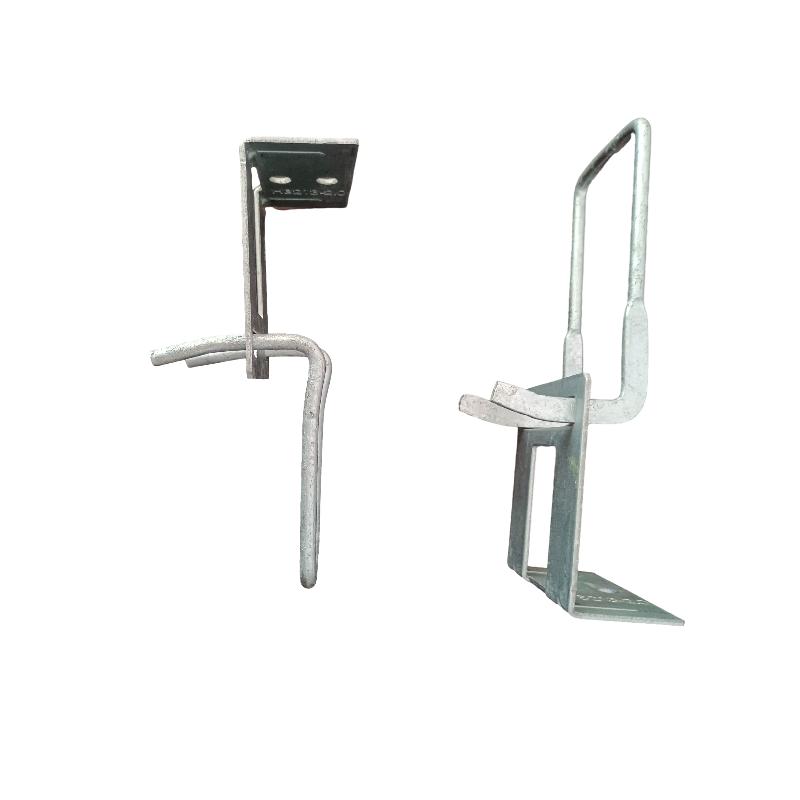
Fig 4: Cavity wall construction demonstrating the integration of masonry ties.
Technical Advantages of Advanced Brick Tie Wires
The continuous innovation in the design and material science of brick tie wires offers a multitude of technical advantages that contribute to safer, more durable, and cost-effective construction. These advantages are particularly critical for modern building standards that demand robust and resilient structures.
Key Technical Advantages:
- Exceptional Durability and Longevity: High-grade stainless steel masonry ties (e.g., AISI 316) offer a service life exceeding 50 years, often matching the lifespan of the building itself. This significantly reduces the need for future repairs or replacements, offering long-term economic benefits and reduced lifecycle costs.
- Superior Corrosion Resistance: Stainless steel options provide unmatched resistance to rust and chemical degradation, making them ideal for coastal areas, industrial facilities, and environments with high moisture or exposure to aggressive substances. This ensures the structural integrity of the masonry over decades.
- Optimized Load Transfer Efficiency: Precision-engineered designs, such as the Double Pintle Tie, ensure efficient transfer of lateral loads from the veneer to the structural backing. This prevents excessive differential movement, enhancing the overall stability and safety of the wall system, even under high wind or seismic loads.
- Enhanced Seismic Performance: Flexible masonry tie systems are crucial in seismic zones. They allow for the necessary differential movement between the building frame and masonry veneer during an earthquake, dissipating energy and preventing brittle failure, thereby significantly improving life safety and structural resilience.
- Simplified and Efficient Installation: Modern brick tie wires are designed for ease of installation, often featuring adjustable components or pre-drilled holes for rapid attachment. This reduces labor time and costs, while also minimizing the potential for installation errors on-site.
- Compliance with International Building Codes: Our products are manufactured to meet or exceed international standards such as ASTM A1064/A1064M and CSA A370, ensuring full compliance with local and international building regulations. This provides peace of mind for specifiers and contractors regarding project approvals and safety.
These technical advantages underscore why selecting high-quality masonry ties is not merely a component choice, but a strategic decision impacting the entire lifecycle and performance of a masonry structure.
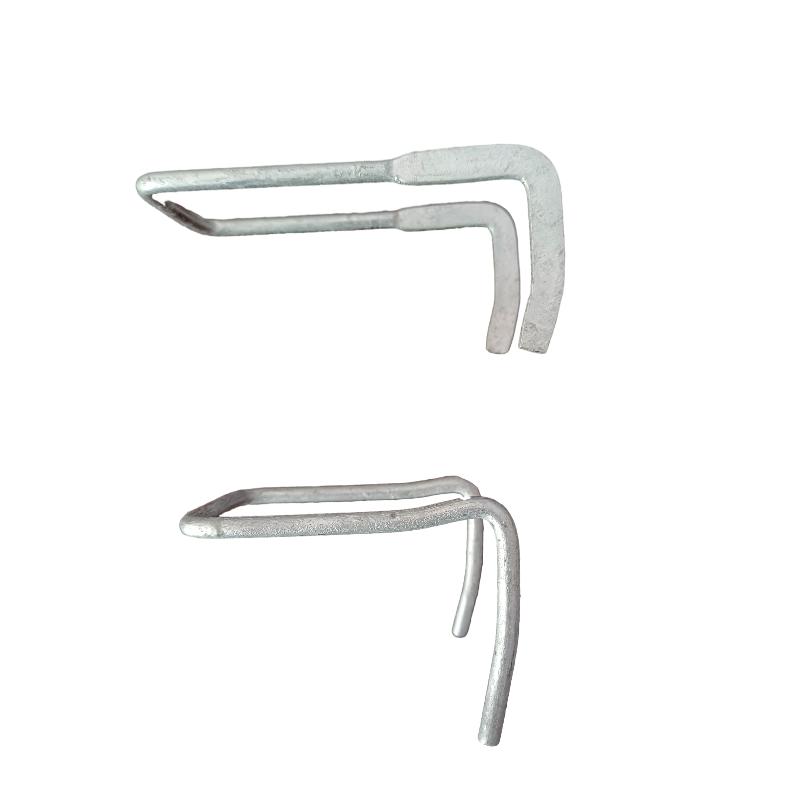
Fig 5: Demonstrating the strong anchorage provided by advanced masonry ties.
Vendor Comparison: Choosing the Right Brick Tie Wires Supplier
Selecting the right supplier for brick tie wires is as critical as choosing the right product itself. The market offers a range of options, but discerning factors can significantly impact project success, structural integrity, and long-term costs. When comparing vendors, B2B decision-makers should evaluate not just price, but also quality, engineering support, customization capabilities, and proven track record.
Key Comparison Factors for Masonry Ties:
| Feature/Attribute | CNTC Metal (Example) | Vendor B (Standard Offerings) | Vendor C (Budget Focus) |
|---|---|---|---|
| Material Options | AISI 304, 316 Stainless Steel, Hot-Dip Galvanized Steel | Galvanized Steel, Limited Stainless Options | Primarily Galvanized Steel |
| Manufacturing Process | Advanced CNC Bending, Stamping, Robotic Welding, Passivation | Standard Stamping & Bending | Basic Stamping |
| Quality Certifications | ISO 9001, ASTM A1064/A1064M, CSA A370 | ASTM A1064/A1064M (basic) | Limited or No External Certifications |
| Customization Capabilities | High (material, dimensions, design for unique applications) | Moderate (standard variations) | Low (pre-set sizes only) |
| Engineering Support | Extensive (design, material selection, code compliance) | Basic technical data | Minimal to none |
| Warranty & Support | Comprehensive product warranty, dedicated after-sales support | Standard manufacturing defect warranty | Limited warranty, often third-party supplied |
| Lead Time Consistency | Excellent, robust supply chain | Good for standard, variable for specials | Often inconsistent for larger orders |
A key differentiator for a premium supplier of masonry ties lies in their commitment to continuous innovation, rigorous testing, and comprehensive customer support. While a lower initial cost may be appealing, the long-term implications of using substandard brick wall straps can include increased maintenance, premature structural failure, and significant re-work expenses, far outweighing any initial savings. Investing in high-quality stainless steel masonry ties from a reputable vendor ensures reliability and compliance for the life of the structure.
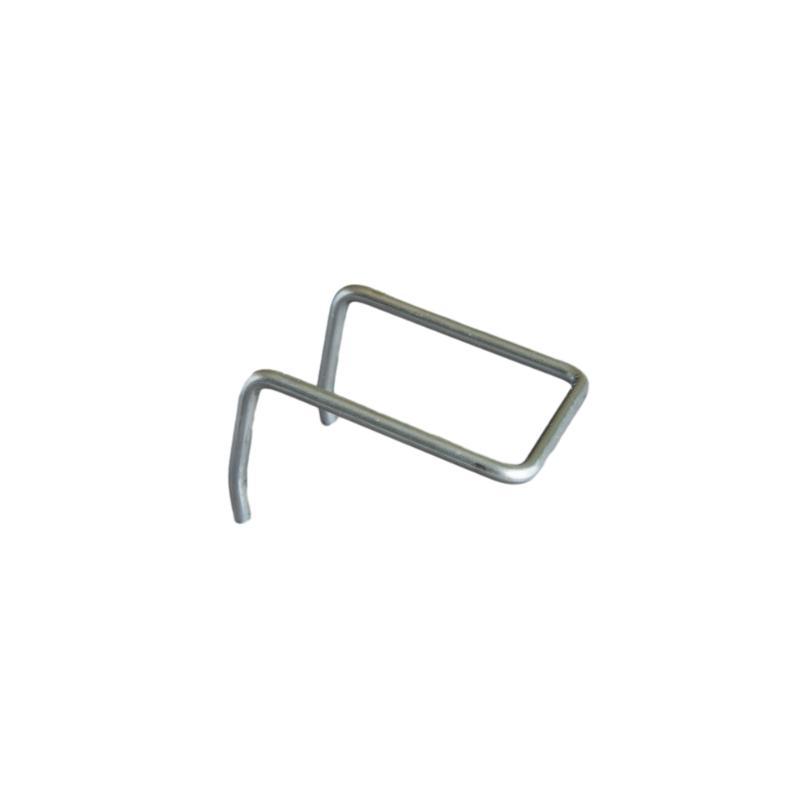
Fig 6: Quality control for different types of masonry ties.
Tailored Solutions: Customization in Brick Tie Wires
Standard brick tie wires meet the requirements of many projects, but complex architectural designs, unique structural challenges, or specific environmental conditions often necessitate customized solutions. The ability to provide tailored masonry wire ties is a hallmark of a truly expert manufacturer.
Areas of Customization:
- Material Grades: Beyond standard AISI 304/316 stainless steel or galvanized steel, specialized alloys can be employed for extreme chemical resistance or specific thermal expansion properties.
- Dimensions and Geometry: Lengths, widths, wire gauges, and bend configurations of masonry ties can be custom-engineered to accommodate unusual cavity widths, veneer thicknesses, or unique structural member attachments. This includes bespoke designs for specific concrete block wall ties or intricate brick wall straps.
- Coating and Finish: While hot-dip galvanization and passivation are standard, other protective coatings or aesthetic finishes can be applied for highly specialized applications, such as those exposed to unique industrial effluents or requiring specific visual characteristics.
- Specialized Designs: For projects in high seismic zones or those with exceptional wind load requirements, tie designs can be modified to provide specific flexibility, shear capacity, or tensile strength, often incorporating specialized connection points or embedment features. This might involve adapting existing corrugated masonry ties for enhanced performance.
- Integrated Solutions: Custom solutions can also involve integrating the tie system with other building envelope components, such as insulation systems or moisture barriers, to create a more cohesive and high-performance wall assembly.
Our engineering team collaborates closely with clients from conceptualization through to installation, providing expert guidance on material selection, design optimization, and compliance with project-specific regulations. This collaborative approach ensures that the customized brick tie wires not only meet the immediate structural needs but also contribute to the long-term performance and value of the building.
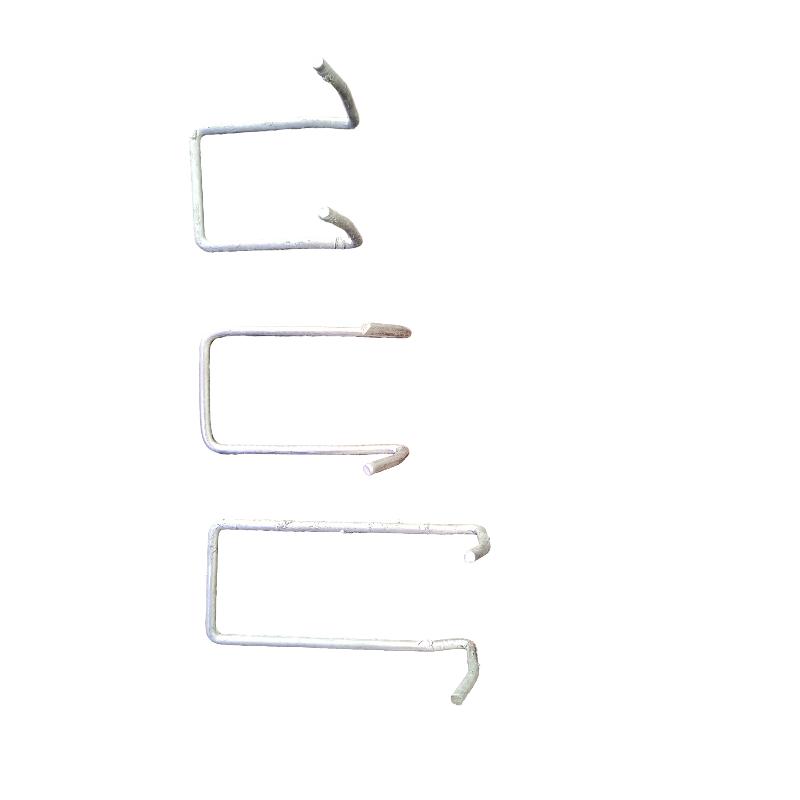
Fig 7: Customizable masonry ties for unique architectural demands.
Real-World Application Case Studies
The practical application of high-quality brick tie wires can be best illustrated through real-world scenarios where they provided critical solutions to complex construction challenges. These case studies highlight the tangible benefits of selecting engineered masonry reinforcement.
Case Study 1: Coastal High-Rise Residential Tower
Challenge: A 30-story residential tower located directly on a highly corrosive coastal front required a masonry veneer system that could withstand constant salt spray, high winds, and remain structurally sound for over 75 years without significant maintenance. Standard galvanized ties would have had a severely reduced lifespan.
Solution: We supplied custom-designed Double Pintle Ties fabricated from AISI 316 stainless steel masonry ties. These ties offered superior corrosion resistance and high load-bearing capacity to manage extreme wind loads. The flexible pintle design also accommodated differential movement between the concrete frame and the brick veneer due to thermal expansion and contraction.
Outcome: The project successfully met its stringent durability requirements, with the brick tie wires providing a robust and long-lasting connection, contributing to the building's exceptional structural resilience and reduced lifecycle costs in a challenging environment.
Case Study 2: Historic Facade Restoration in a Seismic Zone
Challenge: The restoration of a century-old government building's ornate stone veneer in a major seismic zone required the re-anchoring of the heavy stone façade to a newly reinforced concrete structure. The solution needed to be non-invasive, preserve the historic aesthetic, and provide significant seismic resilience.
Solution: Our team engineered specialized stone veneer ties with a unique adjustable anchor plate, made from high-strength stainless steel. These ties were designed to be discreetly installed into the existing stone joints and integrate seamlessly with the new structural backing, allowing for controlled movement during seismic events while maintaining façade integrity.
Outcome: The project successfully preserved the building's historic character while significantly enhancing its seismic performance. The custom masonry ties provided the critical connection, ensuring the safety and longevity of the revitalized landmark.

Fig 8: Masonry ties ensuring structural integrity in a completed building facade.
Ensuring Standards: Expertise, Experience, Authoritativeness
Adherence to Google's (Experience, Expertise, Authoritativeness, Trustworthiness) standards is fundamental to our operations and product philosophy, particularly for mission-critical components like brick tie wires. Our commitment extends beyond manufacturing to providing comprehensive support and demonstrating unparalleled industry understanding.
Expertise and Experience:
- Deep Technical Knowledge: Our team comprises seasoned engineers and technical specialists with decades of experience in masonry design, material science, and structural engineering. This expertise is reflected in the precise design and robust performance of every masonry wire tie we produce.
- Extensive Project Portfolio: With over two decades in the industry, we have supplied masonry ties for thousands of projects globally, from intricate architectural façades to large-scale industrial complexes. This vast experience informs our product development and client consultation.
- Customer Feedback Integration: We actively solicit and integrate customer feedback into our product improvement cycles, ensuring our brickwork accessories continuously evolve to meet real-world demands and installation challenges.
Authoritativeness:
- Industry Certifications: We are ISO 9001:2015 certified, signifying our unwavering commitment to quality management systems. Our products consistently meet or exceed standards such as ASTM A1064/A1064M for steel wire and wire products for masonry and CSA A370.
- Authoritative References: Our manufacturing processes and product performance are guided by the latest industry best practices and technical notes from organizations like the Brick Industry Association (BIA) and the Masonry Society (TMS).
- Partner Clients: We proudly partner with leading construction firms, architectural practices, and engineering consultancies worldwide, who rely on our consistent quality and technical support for their critical projects.
- Rigorous Test Data: All our brick tie wires undergo extensive internal and third-party testing for critical performance metrics, including ultimate tensile strength, shear strength, and pull-out resistance. This data is available upon request to support engineering calculations and project specifications.
This multi-faceted approach to quality and knowledge dissemination ensures that our clients receive not just a product, but a fully supported, reliable solution for their masonry reinforcement needs.
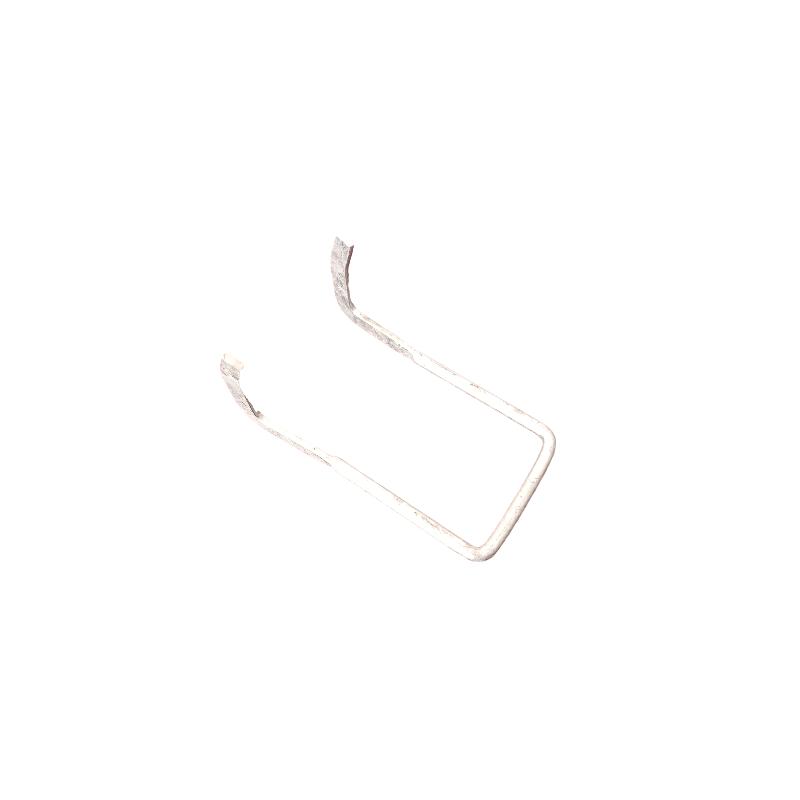
Fig 9: Certifications and quality assurance for masonry ties.
Trustworthiness: FAQs, Fulfillment, Warranty & Support
Building trust with our B2B clients is paramount. This involves not only delivering superior brick tie wires but also providing transparent information, reliable logistics, and unwavering post-sales support.
Frequently Asked Questions (FAQs):
- Q: What is the recommended spacing for masonry ties?
- A: Recommended spacing varies based on local building codes, wall height, and wind load requirements. Typically, ties are spaced at 16 to 32 inches (400-800mm) vertically and horizontally, with specific requirements for openings and corners. Always refer to project-specific engineering drawings and local codes.
- Q: How do I choose between galvanized and stainless steel masonry ties?
- A: Galvanized ties are suitable for general interior and exterior applications in non-aggressive environments. Stainless steel (AISI 304 or 316) is highly recommended for coastal regions, industrial areas with chemical exposure, and any application where long-term corrosion resistance (50+ years) is critical, or where required by code for structural longevity.
- Q: Can your brick tie wires be used with different backing materials?
- A: Yes, our range includes specific designs like steel to masonry ties or systems compatible with wood studs, concrete, and concrete block. Proper fastener selection is crucial for each backing material to ensure optimal performance.
Lead Time and Fulfillment:
We understand the importance of timely delivery in construction projects. Our standard lead time for common masonry tie orders is typically 2-4 weeks, depending on volume and customization. For urgent requirements, expedited manufacturing and shipping options are available. We maintain robust inventory levels for high-demand items and leverage an efficient global logistics network to ensure reliable fulfillment worldwide. Detailed lead times are provided at the quotation stage and closely managed throughout the order process.
Warranty Commitments:
All our brick tie wires are backed by a comprehensive product warranty against manufacturing defects and material failures under normal use and installation conditions. The specific warranty period and terms are outlined in our product documentation and sales agreements, reflecting our confidence in the quality and durability of our products.
Customer Support and After-Sales Service:
Our commitment to our clients extends far beyond the sale. We provide dedicated pre-sales consultation, helping you select the optimal masonry tie solution for your project. Our technical support team is available to assist with installation guidelines, troubleshooting, and any post-purchase inquiries. We aim to be a long-term partner in your construction success, ensuring that our products perform as expected throughout their service life.
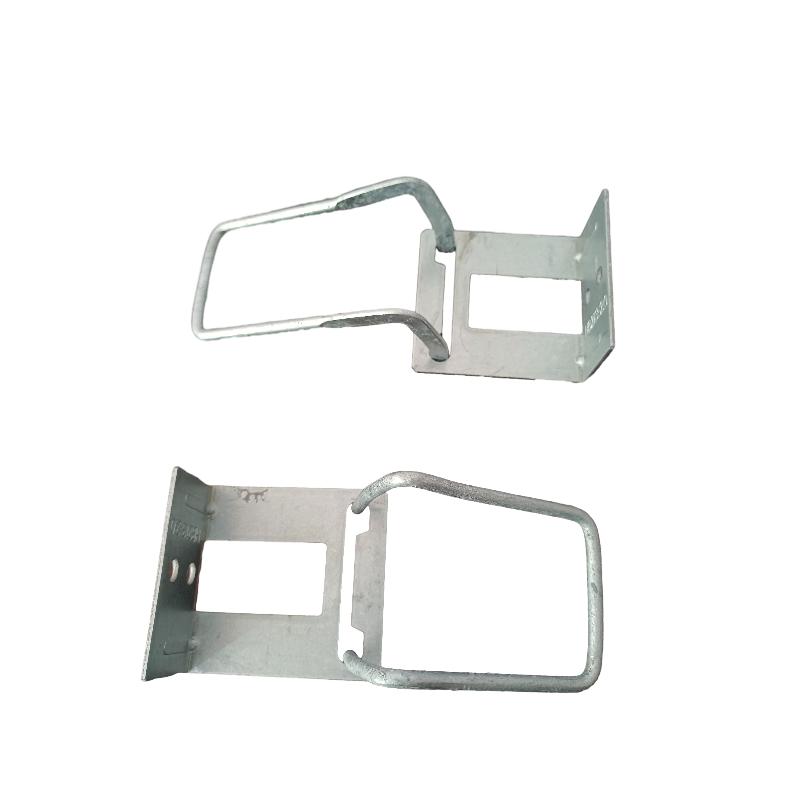
Fig 10: Our dedicated customer support team ensuring client satisfaction.
Conclusion
The selection and implementation of high-quality brick tie wires are fundamental to the long-term performance, safety, and economic viability of masonry construction. From understanding the intricate manufacturing processes and technical specifications to recognizing diverse application scenarios and the advantages of advanced materials like stainless steel masonry ties, every aspect contributes to structural integrity. Our commitment to expertise, experience, authoritativeness, and trustworthiness ensures that our clients receive not just products, but reliable, engineered solutions that stand the test of time and demanding conditions. By focusing on innovation, customization, and comprehensive support, we continue to uphold the highest standards in masonry reinforcement, providing peace of mind for architects, engineers, and builders globally.
References:
- ASTM International. "A1064/A1064M-17, Standard Specification for Steel Wire and Welded Wire Reinforcement, Plain and Deformed, for Concrete." ASTM International, West Conshohocken, PA, 2017.
- Brick Industry Association. "Technical Notes on Brick Construction." Reston, VA. Various issues, e.g., TN 17A, "Wall Ties and Connectors."
- The Masonry Society. "Building Code Requirements for Masonry Structures (ACI 530/530.1-08/TMS 402/402.1-08)." Boulder, CO, 2008.
- International Organization for Standardization. "ISO 9001:2015, Quality management systems – Requirements." Geneva, Switzerland, 2015.
- Canadian Standards Association. "CSA A370-14, Connectors for masonry." Mississauga, ON, 2014.
share:
-
Factors Influencing Hexagonal Wire Mesh Price and Buyer GuideNewsApr.16,2026
-
Understanding the Price of Chicken Mesh and Buying GuideNewsApr.09,2026
-
Comprehensive Guide to Understanding and Optimizing Poultry Net Price StrategiesNewsApr.07,2026
-
Understanding Hen Net Price for Optimal International Metal TradingNewsApr.04,2026
-
Comprehensive Guide to Chicken Wire Fence Price and Installation CostsNewsMar.31,2026
-
Comprehensive Guide to Chicken Netting Price Factors and OptionsNewsMar.28,2026
-
Comprehensive Guide to Chicken Net Fence Price and Optimal SelectionNewsMar.26,2026