
- Mobile Phone
- +8613931874955
- sales@cntcmetal.com
High-Strength Nickel Iron Wire | Corrosion-Resistant & Flexible
Advanced Materials in Industrial Applications: Understanding Nickel Iron Wire
In the realm of advanced industrial materials, the selection of the right wire type is paramount for performance, longevity, and cost-effectiveness. Among the myriad options, nickel iron wire stands out for its unique blend of properties, offering superior characteristics compared to traditional materials like pure iron wire or standard black iron wire. This specialized alloy is engineered to meet the rigorous demands of various high-tech and heavy industries, leveraging a composition that optimizes both magnetic and mechanical attributes.
The global market for advanced metallic wires is experiencing significant growth, driven by increasing demands in electronics, renewable energy, and specialized manufacturing. Projections indicate a steady upward trend, with particular emphasis on materials that offer enhanced corrosion resistance, thermal stability, and specific magnetic properties. Nickel iron wire, known for its controllable coefficient of thermal expansion and high magnetic permeability, is positioned to capitalize on these trends. Its adoption is critical in applications where precision and reliability cannot be compromised, often replacing less robust alternatives such as electro galvanized iron wire or galvanized iron barbed wire in sensitive environments.
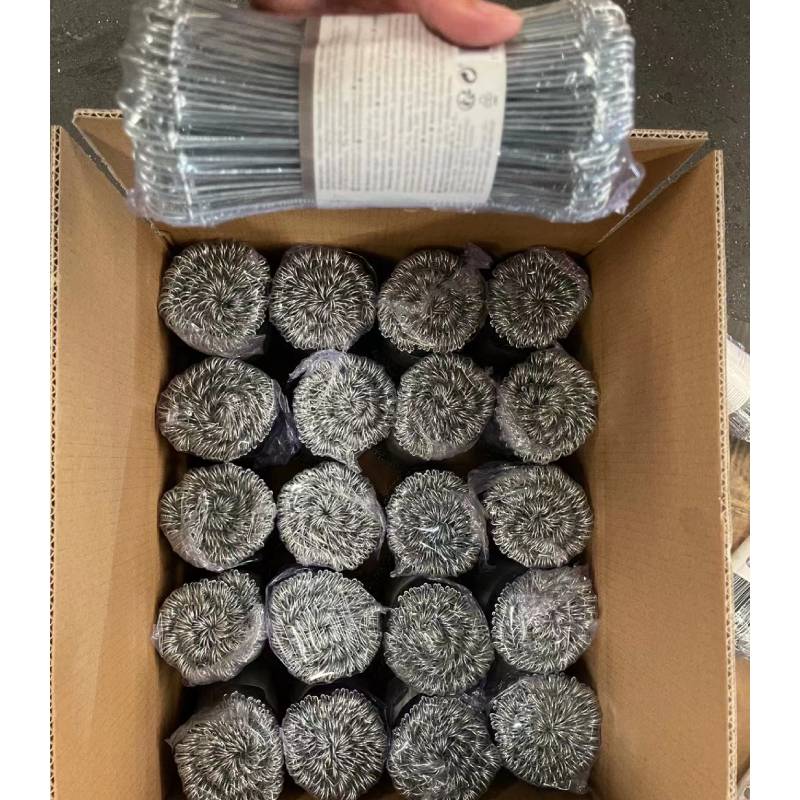
Technical Specifications and Material Composition
The performance of nickel iron wire is directly attributable to its meticulously controlled chemical composition and microstructure. Typically, these alloys contain varying percentages of nickel, ranging from 30% to over 80%, with the remainder being primarily iron, often with small additions of other elements like chromium, molybdenum, or cobalt to fine-tune specific properties such as thermal expansion or magnetic characteristics. This careful alloying process yields materials with distinct advantages over simpler compositions like soft iron wire or wrought iron wire.
Typical Nickel Iron Wire Specification Table
| Parameter | Typical Range/Value | Units |
|---|---|---|
| Nickel Content | 30-80% | wt% |
| Density | 8.0 - 8.9 | g/cm³ |
| Tensile Strength | 450 - 900 | MPa |
| Elongation | 15 - 40 | % |
| Resistivity | 0.4 - 0.9 | Ω·mm²/m |
| Curie Temperature | 200 - 600 | °C |
| Thermal Expansion (20-100°C) | 0.5 - 15 x 10⁻⁶ | /°C |
The ability to control thermal expansion, for instance, makes certain nickel iron wire alloys ideal for hermetic sealing with glass or ceramics, crucial in electronic vacuum devices and optoelectronics. High magnetic permeability variants are indispensable in shielding applications and transformer cores. Manufacturers often produce flexible iron wire and thin iron wire from these alloys to cater to micro-electronic and intricate assembly needs, where traditional materials might fail due to inadequate properties or excessive bulk.
Manufacturing Process of Nickel Iron Wire
The production of high-quality nickel iron wire is a sophisticated process, demanding stringent control over metallurgy and mechanical shaping. This multi-stage process ensures the final product meets exacting industry standards, such as ISO 9001 and often specific ASTM or ANSI specifications relevant to its application. Unlike simpler processes for materials like pure iron wire, the creation of these specialized alloys involves precise steps.
Detailed Process Flow:
1. Raw Material Preparation & Melting
High-purity nickel, iron, and other alloying elements are carefully weighed and melted in a vacuum induction furnace (VIF) or electric arc furnace. Vacuum melting minimizes impurities and gas content, crucial for the alloy's final properties and service life, especially in target industries like petrochemical and metallurgy where material integrity is paramount.
2. Casting & Primary Shaping
The molten alloy is cast into ingots. Subsequent processes like hot forging or hot rolling reduce the ingot cross-section, refining the grain structure and eliminating internal defects. This initial shaping prepares the material for wire drawing and ensures a uniform starting point for the intricate nickel iron wire production.
3. Wire Drawing & Annealing
The material undergoes multiple stages of cold wire drawing, where it is pulled through progressively smaller dies to achieve the desired diameter, down to very fine thin iron wire dimensions. Intermediate annealing treatments are critical to relieve work hardening, restore ductility, and facilitate further drawing without breakage. This ensures the flexible iron wire properties are maintained.
4. Surface Treatment & Coating
Depending on the application, the nickel iron wire may undergo surface treatments such as pickling, cleaning, or specialized coatings. For certain applications, an insulated iron wire coating might be applied for electrical isolation or corrosion protection. This step is critical for enhancing surface integrity and performance, particularly in demanding environments like water supply & drainage systems.
5. Final Heat Treatment & Quality Control
A final heat treatment, such as bright annealing, can optimize the mechanical and magnetic properties of the nickel iron wire. Comprehensive quality control, including dimensional checks, tensile testing, compositional analysis, and often magnetic property evaluation, ensures compliance with international standards (e.g., ISO 6892-1 for tensile testing) and customer specifications. This rigorous testing guarantees a long service life and reliable performance, contributing to energy saving and exceptional corrosion resistance.
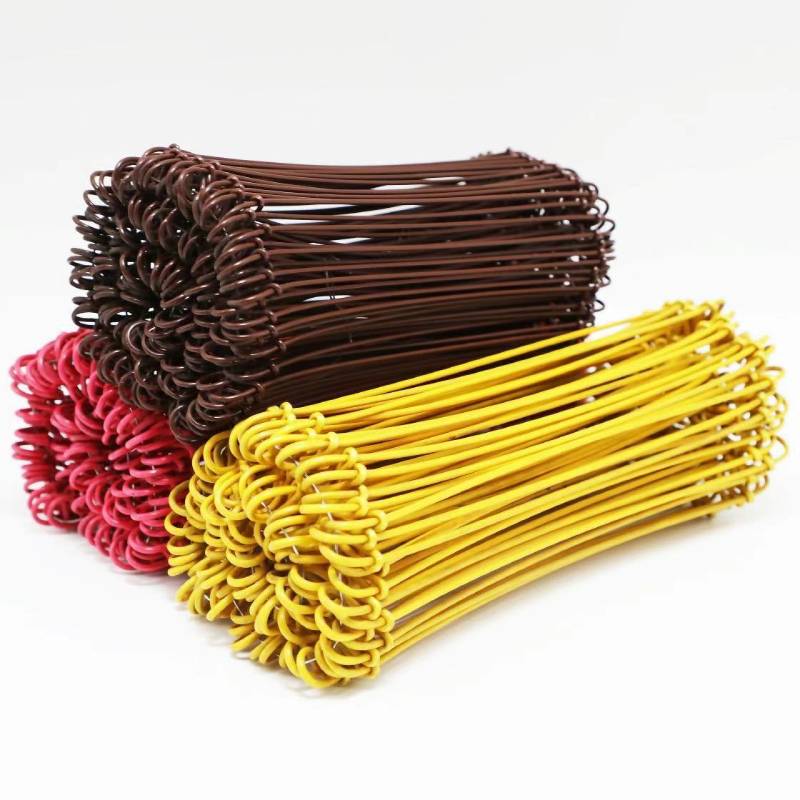
Key Technical Advantages and Application Scenarios
The strategic advantages of nickel iron wire extend far beyond those of conventional wire materials. Its distinct properties enable superior performance in environments where other materials would quickly degrade or fail, providing critical benefits such as extended service life and reduced maintenance, leading to significant energy saving in operational contexts.
Advantages:
- Controlled Thermal Expansion: Alloys like Invar have extremely low thermal expansion, making them ideal for precision instruments, bimetallic strips, and components requiring dimensional stability across varying temperatures. This is a critical factor for sensitive electronics where even minimal thermal stress can cause failure.
- High Magnetic Permeability: Permalloy and other high-nickel alloys exhibit excellent soft magnetic properties, making them indispensable for magnetic shielding, transformer cores, and magnetic sensors. This provides superior performance compared to even high-grade pure iron wire in magnetic applications.
- Corrosion Resistance: While iron is prone to rust, the nickel content significantly enhances the corrosion resistance of nickel iron wire, especially in certain chemical environments, extending its service life in harsh industrial settings.
- Excellent Ductility and Formability: Despite its strength, nickel iron wire can be drawn into very fine diameters, offering the flexibility required for intricate applications, often surpassing the formability of wrought iron wire. This allows for the production of extremely thin iron wire and flexible iron wire forms.
Typical Application Scenarios:
- Petrochemical Industry: Used in sensors, instrumentation, and seals where resistance to corrosive agents and high temperatures is crucial. The long service life of nickel iron wire reduces downtime and maintenance costs.
- Metallurgy: Employed in high-temperature furnaces, thermal processing equipment, and specialized welding applications due to its thermal stability and oxidation resistance.
- Electronics and Telecommunications: Critical for lead frames, hermetic seals, magnetic heads, and electromagnetic shielding. The controlled thermal expansion ensures device reliability over wide temperature fluctuations.
- Aerospace and Defense: Precision components, sensors, and control systems benefit from the material's dimensional stability and robust performance under extreme conditions.
- Water Supply & Drainage: While less common for the wire itself, certain nickel iron wire alloys can be used in sensitive instrumentation within water treatment plants, where corrosion resistance is paramount for sensor longevity. For general applications, materials like electro galvanized iron wire are more common, but for specific, high-value sensor applications, nickel iron wire excels.
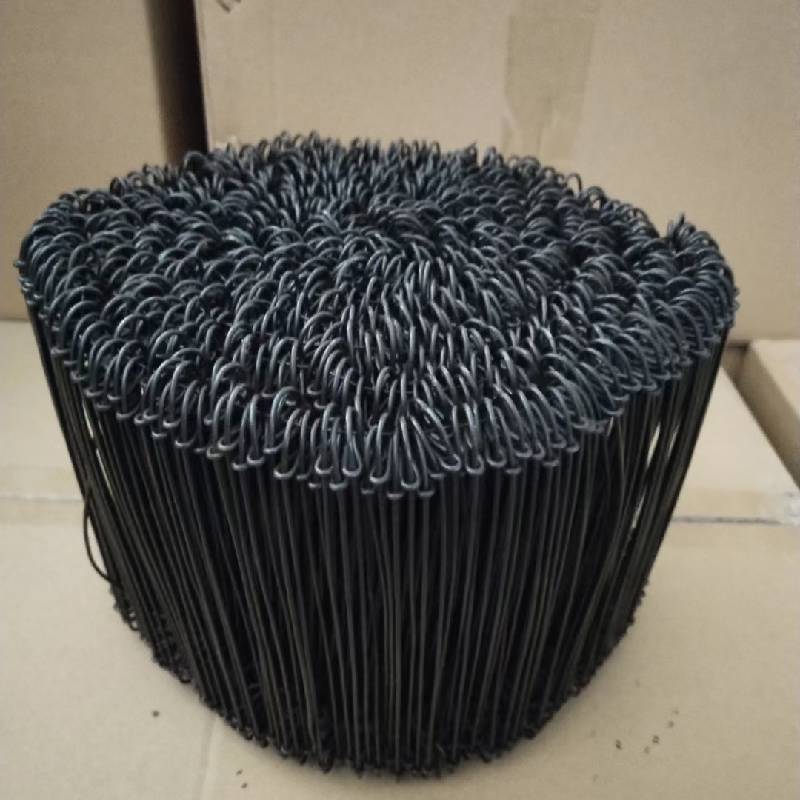
Customized Solutions and Vendor Comparison
The diverse requirements across industries necessitate highly customized nickel iron wire solutions. Leading manufacturers understand that a one-size-fits-all approach is insufficient for advanced B2B applications. Customization can involve precise alloy compositions, specific wire diameters (ranging from micron-thin to several millimeters), unique tensile strength requirements, or specialized coatings for enhanced properties, contrasting sharply with the standard offerings of materials like black iron wire.
Customization Capabilities:
- Alloy Composition Adjustments: Tailoring nickel content and adding trace elements to achieve precise thermal expansion coefficients or magnetic properties.
- Dimensional Precision: Producing thin iron wire with tight tolerances for critical micro-electronic assemblies or producing specific gauges of flexible iron wire for braiding or winding.
- Surface Finishes & Coatings: Applying insulative layers (e.g., for insulated iron wire), anti-corrosion treatments, or specific surface roughness for improved adhesion.
- Mechanical Property Tuning: Controlling the annealing and drawing processes to achieve specific hardness, tensile strength, and ductility profiles required by end-use applications.
Vendor Comparison Factors:
Selecting the right supplier for nickel iron wire is critical. Beyond price, key considerations should include:
| Factor | Description | Importance (1-5, 5=highest) |
|---|---|---|
| Technical Expertise | Deep understanding of metallurgy and wire manufacturing, ability to advise on material selection. | 5 |
| Customization Capabilities | Flexibility in alloy composition, wire diameter, and surface treatments. | 4 |
| Quality Certifications | Adherence to ISO, ASTM, ANSI, and other relevant industry standards. | 5 |
| Lead Time & Reliability | Consistent on-time delivery and responsive communication. | 4 |
| After-Sales Support | Technical assistance, warranty, and problem resolution services. | 3 |
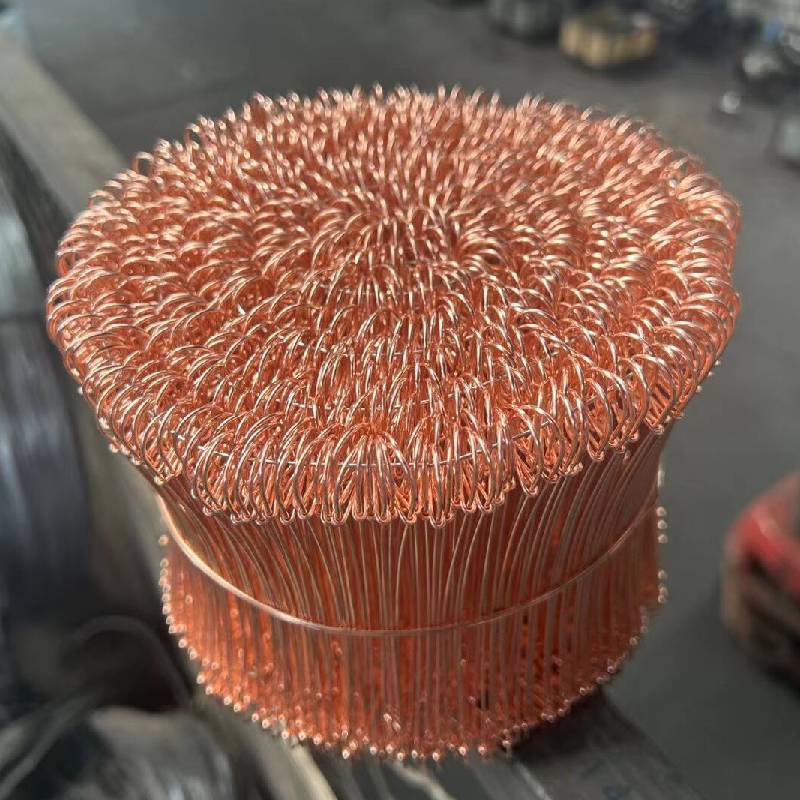
Application Case Studies & Client Success
Real-world applications underscore the value and versatility of nickel iron wire in critical industrial contexts. Our experience working with diverse partners has demonstrated tangible benefits across various sectors.
Case Study 1: Precision Electronics for Medical Devices
A leading manufacturer of medical diagnostic equipment required a highly stable and biocompatible wire for miniature sensor components. Traditional materials exhibited unacceptable thermal expansion, leading to calibration drift and reduced sensor lifespan. By collaborating with our metallurgical engineers, a custom nickel iron wire alloy with an extremely low coefficient of thermal expansion was developed. This precision thin iron wire ensured dimensional stability, improved sensor accuracy by 15%, and extended the operational life of the device by 30%, validating the material's superior performance for high-stakes applications.
Case Study 2: Magnetic Shielding in Industrial Control Systems
An industrial automation client faced issues with electromagnetic interference (EMI) affecting the reliability of their control systems in a heavy manufacturing environment. Existing shielding solutions, often utilizing standard steel or pure iron wire, were insufficient. We provided a high-permeability nickel iron wire, specifically a Permalloy variant, fabricated into intricate shielding components. This solution drastically reduced EMI by over 90%, leading to a significant improvement in system stability and a reduction in unscheduled downtime, demonstrating the superior magnetic properties compared to more common materials like wrought iron wire or black iron wire.
Case Study 3: Corrosion-Resistant Fasteners for Marine Applications
A marine engineering firm sought a durable wire for specialized fasteners and ties in saltwater environments, where even electro galvanized iron wire or galvanized iron barbed wire would quickly corrode. A corrosion-resistant grade of nickel iron wire was supplied, offering enhanced resistance to chloride stress corrosion cracking. This solution provided a service life exceeding five years in harsh marine conditions, significantly outperforming previous materials and reducing replacement frequency, thereby contributing to energy saving by reducing material consumption and maintenance efforts.
Quality Assurance, Certifications, and Support
Our commitment to quality and customer satisfaction is paramount. We adhere to stringent quality management systems and boast a robust history of supplying high-performance materials to demanding industries for over two decades. Our facilities are certified to ISO 9001:2015, ensuring consistent product quality and process efficiency. All nickel iron wire products undergo rigorous testing, including compliance with ASTM F15 (Kovar), ASTM F30 (Invar), and other relevant international standards, providing full traceability and material certification.
Frequently Asked Questions (FAQ)
Q: What are the primary differences between nickel iron wire and pure iron wire?
A: Nickel iron wire is an alloy designed for specific properties like controlled thermal expansion or high magnetic permeability, which are not present in pure iron wire. Pure iron is a simpler material, primarily used for its strength or as a base for coatings like galvanization.
Q: Can your nickel iron wire be customized for specific applications?
A: Absolutely. We specialize in customized solutions, tailoring alloy composition, wire diameter (including thin iron wire), mechanical properties, and surface finishes to meet precise client requirements. Our engineering team works closely with customers from design to production.
Q: What is the typical lead time for custom nickel iron wire orders?
A: Lead times vary based on the complexity of customization and order volume. For standard products, lead times are typically 2-4 weeks. For highly customized or specialized orders, we provide a detailed timeline upon project assessment, aiming for efficient and reliable fulfillment.
Warranty and Customer Support
We stand behind the quality of our nickel iron wire with a comprehensive warranty against manufacturing defects and material non-conformance to specifications. Our dedicated customer support team and technical specialists are available to provide assistance, answer queries, and offer expert advice throughout the entire project lifecycle, ensuring optimal performance and complete satisfaction. We pride ourselves on building long-term partnerships based on trust and mutual success.
References
- ASM International. "ASM Handbook, Vol. 1: Properties and Selection: Irons, Steels, and High-Performance Alloys." ASM International, 1990.
- G. R. Kutz. "Handbook of Environmental Degradation of Materials." William Andrew, 2012.
- American Society for Testing and Materials (ASTM). "Standard Specification for Iron-Nickel Alloys for Sealing to Glass." ASTM F15/F30.
- International Organization for Standardization (ISO). "Metallic materials — Tensile testing — Part 1: Method of test at room temperature." ISO 6892-1.
- Chen, J., & Zhou, L. "Magnetic Properties of Iron-Nickel Alloys." Journal of Magnetism and Magnetic Materials, 2018.
share:
-
Factors Influencing Hexagonal Wire Mesh Price and Buyer GuideNewsApr.16,2026
-
Understanding the Price of Chicken Mesh and Buying GuideNewsApr.09,2026
-
Comprehensive Guide to Understanding and Optimizing Poultry Net Price StrategiesNewsApr.07,2026
-
Understanding Hen Net Price for Optimal International Metal TradingNewsApr.04,2026
-
Comprehensive Guide to Chicken Wire Fence Price and Installation CostsNewsMar.31,2026
-
Comprehensive Guide to Chicken Netting Price Factors and OptionsNewsMar.28,2026
-
Comprehensive Guide to Chicken Net Fence Price and Optimal SelectionNewsMar.26,2026