
- Mobile Phone
- +8613931874955
- sales@cntcmetal.com
Dovetail Triangular Veneer Anchor - Stainless, Load-Tested
Field Notes on the Dovetail Triangular Veneer Anchor: what builders really ask
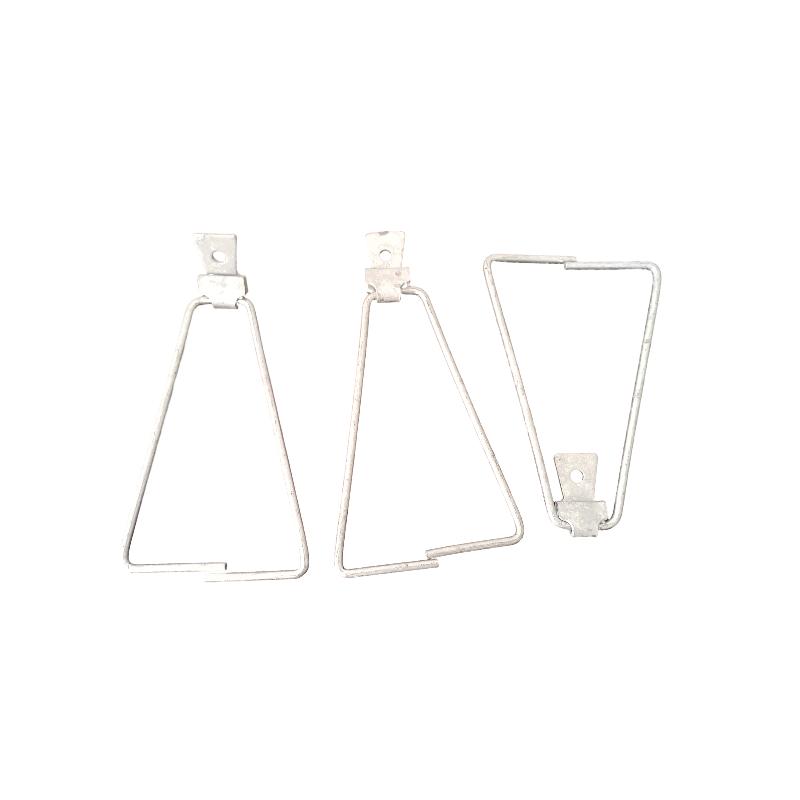
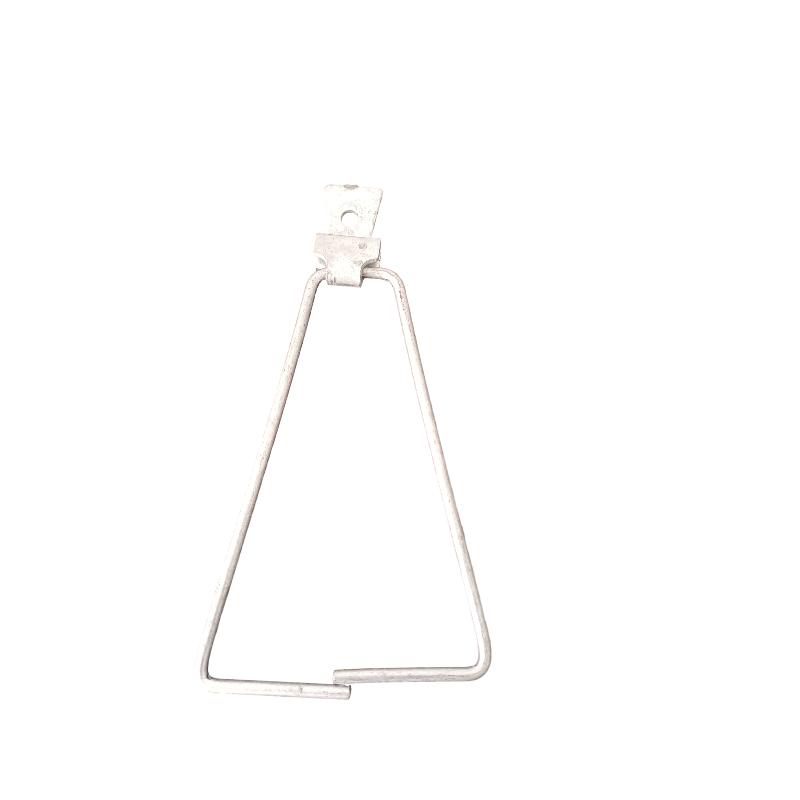
If you spend any time around masonry jobsites, you’ve probably handled a Dovetail Triangular Veneer Anchor. It’s the unassuming bit of metal that quietly keeps brick veneer behaving—letting the wall move with temperature and settlement while still resisting tension and compression. I’ve watched crews click these into dovetail slots like muscle memory; to be honest, it’s one of those details that only gets attention when it’s missing.
What’s driving demand right now
Two things: better envelopes and tougher codes. Designers are leaning on high-performance cavity walls, and the masonry tie is suddenly a critical link instead of an afterthought. Specifiers increasingly choose stainless steel, especially near coasts or where life-cycle cost matters. Supply chains are stabilizing (finally), but lead time and traceability—mill certs, coating class, test reports—still rule procurement. Many customers say they’ll swap brands, but not standards.
Technical snapshot (specs that matter)
| Parameter | Typical Values / Options (≈; real-world use may vary) |
|---|---|
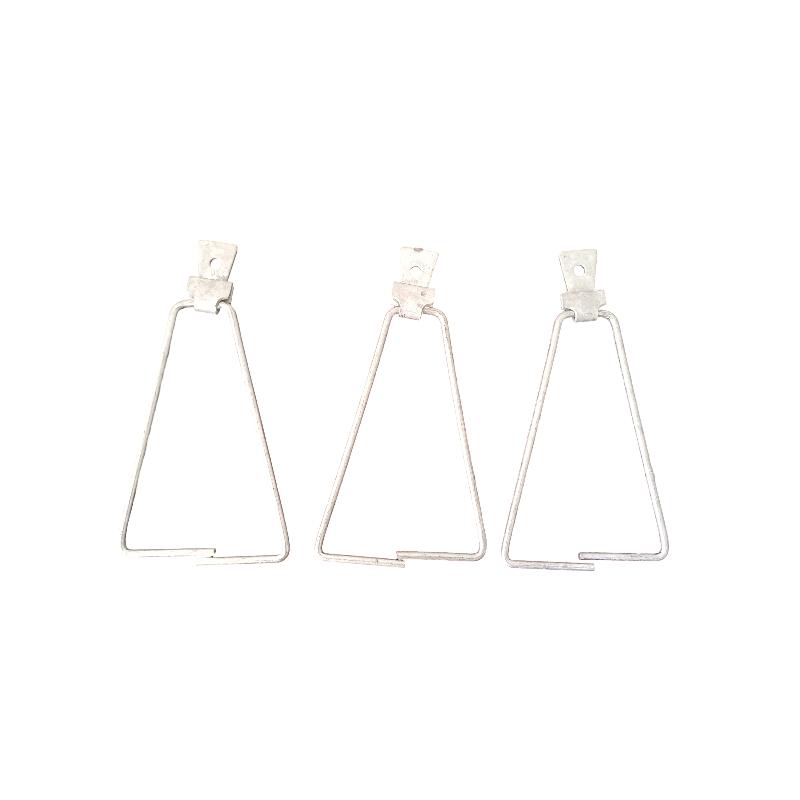
| Dovetail head gauge | Standard 12 ga |
| Head hole | 9/32" dia |
| Vee tie diameter | 3/16" standard or 1/4" heavyweight |
| Lengths | 3", 3-1/2", 4", 4-1/2", 5" (others on request) |
| Finishes | Hot-dip galvanized; Stainless steel (304/316) |
| Standards alignment | TMS 402/602; ASTM A153 (HDG); ASTM A580/A240 (SS); ASTM C1357 testing |
In practice, the Dovetail Triangular Veneer Anchor permits in-plane movement of veneer while tying back to concrete or steel backups through a dovetail slot or receiver. Good installers check embedment and keep bed joints clean—simple, but it makes or breaks performance.
Process flow and quality notes
- Materials: 304/316 stainless wire and strip; carbon steel for HDG versions.
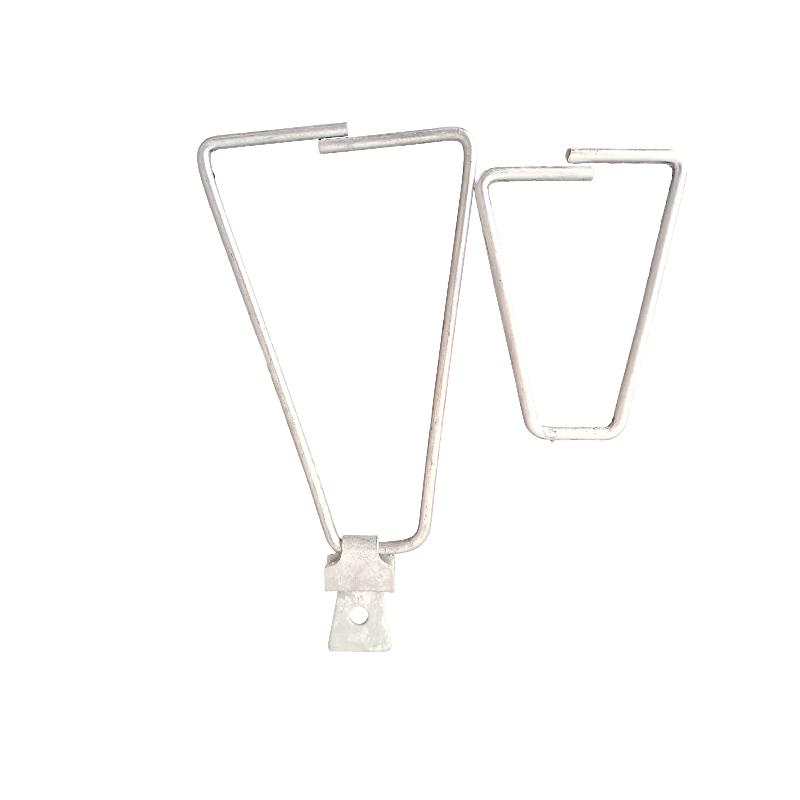
- Methods: stamping the dovetail head; CNC wire forming of the vee; welding or mechanical fit as design requires; hot-dip galvanizing per ASTM A153 Class B; passivation for stainless.
- Testing: dimensional checks, coating thickness (magnetic gauge), salt-spray screening (indicative), and panel testing to ASTM C1357 (supplier or third-party lab).
- Service life: HDG ≈ 25–40 years in mild exposure; stainless ≈ 50+ years, 316 preferred in coastal/marine. Your mileage, as always, depends on exposure and detailing.
- Industries: commercial facades, education, healthcare, mid/high-rise residential, retrofit.
Applications and advantages
Use the Dovetail Triangular Veneer Anchor for brick veneer on concrete or CMU backups, in seismic regions (with proper spacing and spacing limits per code), and where differential movement is expected. Advantages include: allows vertical/horizontal slip, resists tension/compression, easy visual inspection, and broad length options for cavity widths. Surprisingly, crews report faster coursing with the vee shape versus flat ties.
Vendor comparison (quick buyer’s view)
| Vendor | Material/Finish | Lead Time ≈ | Certs/Testing | Customization |
|---|---|---|---|---|
| CNTC Metal (Origin: ZHONGHUACHENG, Shijiazhuang, Hebei, China) | 304/316 SS; HDG Class B | 2–4 weeks | ISO; ASTM C1357 reports available | Lengths, wire Ø, packaging, labeling |
| Regional Brand A | HDG standard; SS on request | 3–6 weeks | Basic mill certs | Limited lengths |
| Local Distributor B | Mixed inventory | Stock-dependent | Varies by lot | Minimal |
Customization and real-world feedback
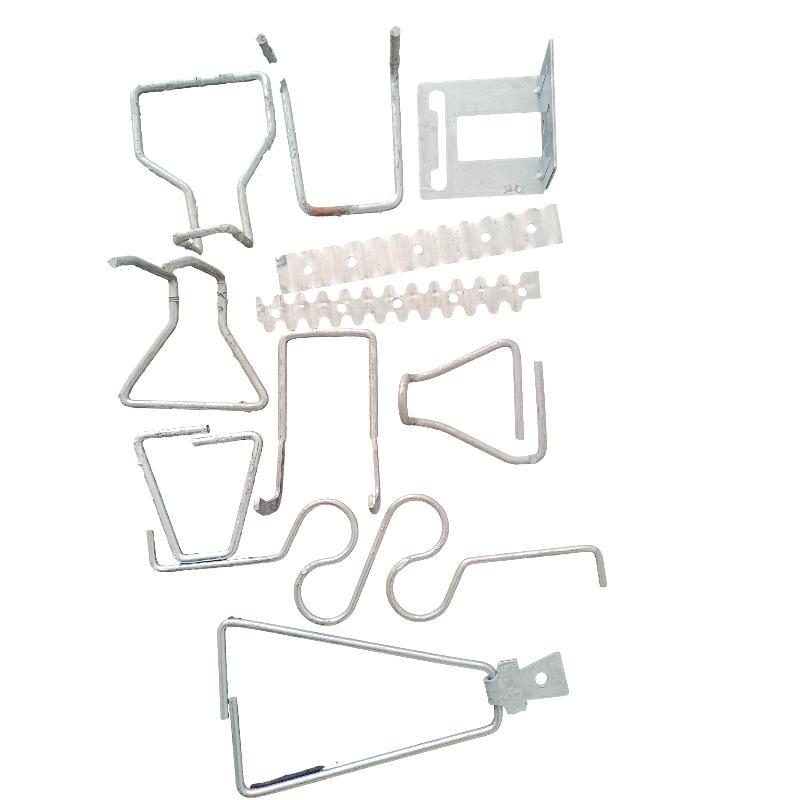
Project managers often ask for odd-length ties to match nonstandard cavity widths or added insulation. The Dovetail Triangular Veneer Anchor can be tailored: wire diameter, length, finish, even color-coded bundles for fast QA. Installers say the vee profile “finds” the mortar bed easily—small thing, but it speeds up coursing.
Case snippets and test data
- University lab building: switched to 316 SS for coastal site; TMS spacing verified. Panel tests to ASTM C1357 showed ultimate tension ≈ 180 lbf and compression ≈ 330 lbf (sample set; not a design value).
- Healthcare retrofit: HDG ties used interior; contractor praised consistent dovetail fit, fewer callbacks.
- High-rise residential: mixed cavity widths; custom 4-1/2" and 5" lengths delivered under 3 weeks, which frankly saved the schedule.
Compliance, certifications, and good practice
Look for coating class per ASTM A153, stainless grades with traceable heat numbers (ASTM A580/A240), and testing to ASTM C1357 where required by spec. Design and installation should follow TMS 402/602—embedment, spacing, and seismic requirements aren’t negotiable. Actually, they’re the difference between a quiet wall and a noisy punch list.
References:
1) TMS 402/602-22 Building Code Requirements and Specification for Masonry Structures
2) ASTM A153/A153M – Zinc Coating (Hot-Dip) on Iron and Steel Hardware
3) ASTM A580/A580M – Stainless Steel Wire; ASTM A240 – Stainless Steel Plate, Sheet, and Strip
4) ASTM C1357 – Standard Test Methods for Evaluating Masonry Anchors and Connectors
share:
-
Factors Influencing Hexagonal Wire Mesh Price and Buyer GuideNewsApr.16,2026
-
Understanding the Price of Chicken Mesh and Buying GuideNewsApr.09,2026
-
Comprehensive Guide to Understanding and Optimizing Poultry Net Price StrategiesNewsApr.07,2026
-
Understanding Hen Net Price for Optimal International Metal TradingNewsApr.04,2026
-
Comprehensive Guide to Chicken Wire Fence Price and Installation CostsNewsMar.31,2026
-
Comprehensive Guide to Chicken Netting Price Factors and OptionsNewsMar.28,2026
-
Comprehensive Guide to Chicken Net Fence Price and Optimal SelectionNewsMar.26,2026