
- Mobile Phone
- +8613931874955
- sales@cntcmetal.com
Different Types of Cavity Wall Ties: Strength & Stability Solutions
Understanding Cavity Wall Ties and Their Critical Role
In modern construction, the integrity and longevity of a building's envelope are paramount. Central to achieving this stability, especially in cavity wall construction, are robust and meticulously engineered wall ties. These seemingly simple components play a crucial role in connecting the inner and outer leaves of a cavity wall, ensuring structural cohesion while accommodating differential movements and protecting against moisture ingress. As a leading manufacturer in the B2B sector, we provide a comprehensive range of solutions, understanding the distinct requirements for different types of cavity wall ties tailored for diverse architectural and environmental demands.
The selection of the appropriate wall tie is a critical engineering decision, directly impacting the long-term performance, safety, and energy efficiency of a structure. This article delves into the technical aspects, application nuances, and innovative solutions surrounding these essential building elements, designed for B2B professionals, engineers, and procurement specialists.
Industry Trends and the Evolution of Wall Tie Technology
The construction industry is continually evolving, driven by demands for greater sustainability, enhanced structural resilience, and improved thermal performance. These trends significantly influence the development and application of different types of cavity wall ties. Innovations in material science and manufacturing processes have led to ties that offer superior corrosion resistance, minimal thermal bridging, and increased load-bearing capacities.
Current industry focus includes:
- Thermal Performance: Growing emphasis on ties that reduce thermal conductivity, aligning with stringent energy efficiency regulations (e.g., Passive House standards, revised building codes).
- Durability and Longevity: Increased use of high-grade stainless steel (e.g., Austenitic Grade 304 and 316) to ensure service lives exceeding 60 years, even in aggressive environments.
- Seismic Resilience: Development of flexible or debonded ties for structures in seismic zones, allowing for differential movement without compromising structural integrity.
- Digital Integration: Adoption of Building Information Modeling (BIM) for precise specification and placement of cavity wall ties, optimizing material use and construction efficiency.
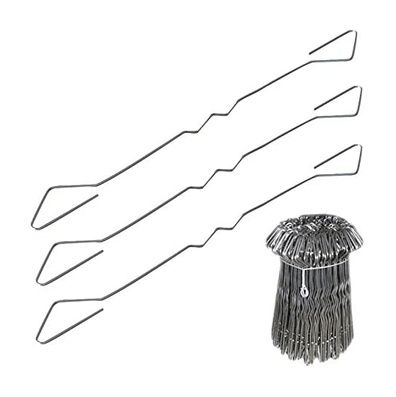
Figure 1: Illustration of a modern cavity wall tie installation.
Understanding these trends is crucial for selecting the optimal different types of cavity wall ties that meet both current project demands and future performance expectations.
Manufacturing Process of Cavity Wall Ties: Precision and Quality
The production of high-performance cavity wall ties involves a meticulous process, ensuring each component meets rigorous technical specifications and international standards. Our manufacturing workflow emphasizes precision engineering, quality materials, and stringent testing protocols.
Process Flow:
- Material Selection: We primarily utilize high-grade stainless steel (Austenitic Grades 304 and 316) and galvanized mild steel, chosen for their superior corrosion resistance and mechanical properties. Stainless steel, particularly 316, is specified for aggressive environments, including coastal areas or industrial settings with high chemical exposure.
- Raw Material Preparation: Steel coils are precision-cut to specified lengths, ensuring minimal waste and dimensional accuracy.
- Cold Forming/Stamping: Advanced CNC machinery performs cold forming, stamping, or pressing operations to shape the ties (e.g., butterfly, vertical twist, remedial) according to design specifications. This process enhances the material's strength and maintains dimensional consistency.
- Welding (if applicable): For certain specialized ties or assemblies, automated resistance welding ensures robust connections between components, adhering to high strength requirements.
-
Surface Treatment:
- Galvanization: Hot-dip galvanizing for mild steel ties provides a durable zinc coating, offering excellent corrosion protection in less aggressive environments, meeting EN ISO 1461 standards.
- Passivation: Stainless steel ties undergo a passivation process to enhance their inherent corrosion resistance by forming a protective oxide layer.
- Quality Control & Testing: Each batch undergoes rigorous testing including tensile strength tests, shear tests, and dimensional checks, complying with international standards such as EN 845-1 and relevant ISO norms (e.g., ISO 9001 for quality management). This ensures the structural integrity and reliability of all different types of cavity wall ties.
- Packaging and Dispatch: Products are carefully packaged to prevent damage during transit, ensuring they arrive on-site in optimal condition.
Simplified Manufacturing Schematic
Our ties are engineered for a service life exceeding 60 years in normal conditions, with stainless steel variants offering superior performance for up to 100 years. They are extensively used across target industries including residential and commercial building construction, petrochemical facilities (for non-corrosive sections), metallurgy, and water supply & drainage infrastructure, where structural stability and corrosion resistance are paramount.
Key advantages demonstrated in typical application scenarios include:
- Energy Saving: Specialized thermal ties minimize heat transfer through the cavity, contributing to improved building energy performance.
- Corrosion Resistance: Stainless steel options provide robust protection against environmental degradation, reducing maintenance costs and enhancing structural longevity.
- Enhanced Structural Safety: Consistently manufactured ties ensure predictable load transfer and stability under various wind and structural loads.
Technical Specifications and Parameters of Cavity Wall Ties
The classification of different types of cavity wall ties is primarily based on their material, gauge, design, and application. Each type is engineered to address specific structural, thermal, and environmental requirements.
Common Types and Their Characteristics:
- Vertical Twist (V-Type) Ties: Designed for standard cavity walls, offering strength and preventing water bridging. Typically used in residential and low-rise commercial buildings.
- Butterfly (Wire) Ties: Lightweight and versatile, often used in less demanding applications or where minimal interference with insulation is required. Can be used with tie clips.
- Safety (Housing) Ties: Feature a unique design that allows for vertical movement, ideal for timber frame construction where the inner leaf settles over time, preventing downward load transfer onto the outer masonry.
- Frame Cramp Ties: Used to tie masonry to concrete, steel, or timber frames, offering flexibility and adjustability. Often supplied with debonding sleeves for movement accommodation.
- Remedial Ties: Designed for retrofitting into existing walls where original ties have failed due to corrosion or improper installation. Often made from stainless steel and installed using specialized tools.
- Thermal Ties: Incorporate non-conductive materials or specific designs to significantly reduce thermal bridging, improving the overall U-value of the wall.
Typical Product Specification Table: Cavity Wall Ties
| Parameter | Vertical Twist Tie (VTT) | Butterfly Wire Tie (BWT) | Safety Tie (ST) |
|---|---|---|---|
| Material Grade | Stainless Steel 304/316, Galvanized Steel | Stainless Steel 304/316, Galvanized Steel | Stainless Steel 304/316 |
| Gauge/Diameter | 2.5mm - 4mm (thickness) | 2.5mm - 4mm (wire diameter) | 3.5mm - 5mm (wire diameter) |
| Standard Lengths (mm) | 100, 125, 150, 175, 200, 225, 250+ (Custom available) | 100, 125, 150, 175, 200, 225, 250+ (Custom available) | 100, 125, 150, 175, 200, 225, 250+ (Custom available) |
| Characteristic Load (N) | Varies by design, typically 1000-2500N (Tensile/Compressive) | Varies by design, typically 500-1500N (Tensile/Compressive) | Varies by design, typically 1000-2000N (Tensile/Compressive) |
| Thermal Conductivity (W/mK) | ~15 for SS, ~50 for Galvanized | ~15 for SS, ~50 for Galvanized | ~15 for SS |
| Relevant Standards | EN 845-1, BS 5628, NHBC | EN 845-1, BS 5628, NHBC | EN 845-1, BS 5628, NHBC |
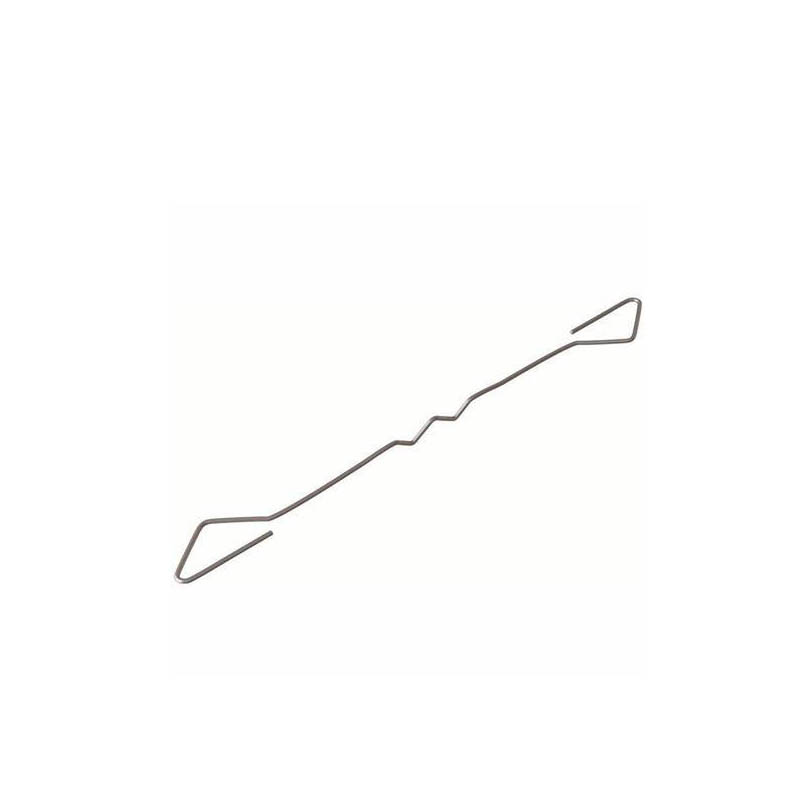
Figure 2: A selection of galvanized cavity wall ties for various applications.
Diverse Application Scenarios and Performance Advantages
The application of different types of cavity wall ties extends across a vast spectrum of construction projects, each benefiting from their specific design and material properties.
- Residential Buildings: Standard vertical twist or butterfly ties are essential for connecting inner concrete blockwork to outer brickwork, ensuring structural integrity in homes and multi-story residential units. Our ties contribute to moisture protection, preventing damp penetration.
- Commercial Complexes: In larger commercial structures, wind loads are significantly higher. Heavy-duty or specialized ties (e.g., those with higher characteristic load values) are deployed to withstand these forces, maintaining the stability of expansive masonry facades.
- High-Rise Structures: Here, thermal bridging is a major concern. Our thermal ties, often made with minimal conductive material or innovative designs, help maintain the building's thermal envelope, crucial for energy efficiency in high-rise constructions.
- Industrial Facilities: Environments with high humidity, chemical exposure, or extreme temperatures demand ties made from Grade 316 stainless steel to ensure long-term corrosion resistance and structural reliability. Examples include food processing plants, chemical storage units, and certain manufacturing facilities.
- Seismic Zones: Flexible ties designed to accommodate greater differential movement without failure are critical in regions prone to earthquakes. These ties prevent rigid connections that could lead to cracking or collapse during seismic events.
- Timber Frame Construction: As the timber frame shrinks over time, safety ties with their debonding sleeves or specific shapes allow the inner leaf to move vertically relative to the outer masonry, preventing downward loading on the external façade.
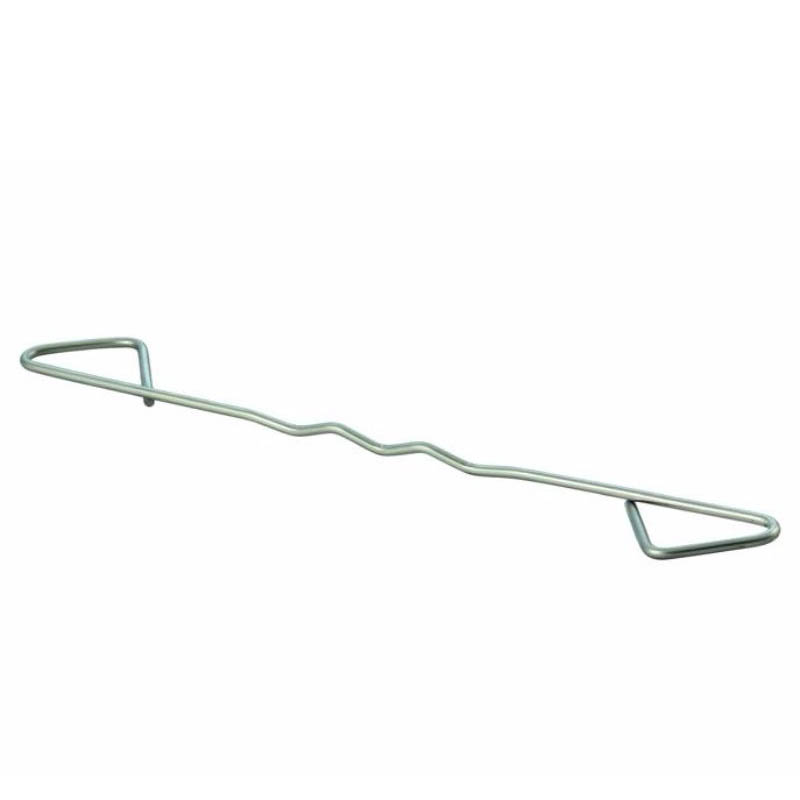
Figure 3: Cavity wall ties integrated into a construction site showing proper alignment and spacing.
These diverse applications underscore the necessity of a tailored approach when specifying wall ties, considering not just structural load, but also environmental conditions, thermal performance, and specific building methodologies.
Technical Advantages and Performance Metrics
Our commitment to engineering excellence ensures that our cavity wall ties deliver superior performance across several critical metrics:
- Superior Corrosion Resistance: Our stainless steel ties (Grades 304 and 316) offer exceptional resistance to rust and degradation, even in aggressive coastal or industrial atmospheres. Galvanized mild steel ties provide robust protection in less severe environments, adhering to EN ISO 1461 standards for zinc coating thickness and durability. This extends the service life of the wall and reduces long-term maintenance costs.
- Optimized Thermal Performance: Thermal bridging is a significant pathway for heat loss. Our specialized thermal ties, designed with reduced cross-sectional area or composite materials, minimize heat transfer across the cavity. This directly contributes to a building's energy efficiency, reducing heating and cooling costs and complying with modern thermal performance regulations.
- Enhanced Structural Stability: Each tie is rigorously tested for characteristic tensile and compressive loads (e.g., EN 846-5), ensuring they can effectively transfer lateral forces from wind or seismic activity between the inner and outer leaves. This prevents bowing, bulging, or collapse of the masonry, maintaining the structural integrity of the wall over its lifespan.
- Moisture Management: The design of our ties (e.g., drips, twists) actively prevents moisture from traversing the cavity, protecting the inner leaf from dampness and preserving insulation performance. This is crucial for maintaining a healthy indoor environment and preventing structural damage from water ingress.
- Durability and Longevity: Engineered to withstand the elements and structural stresses, our ties are designed for long-term performance, often exceeding the lifespan of the building itself, minimizing the need for costly remedial work.
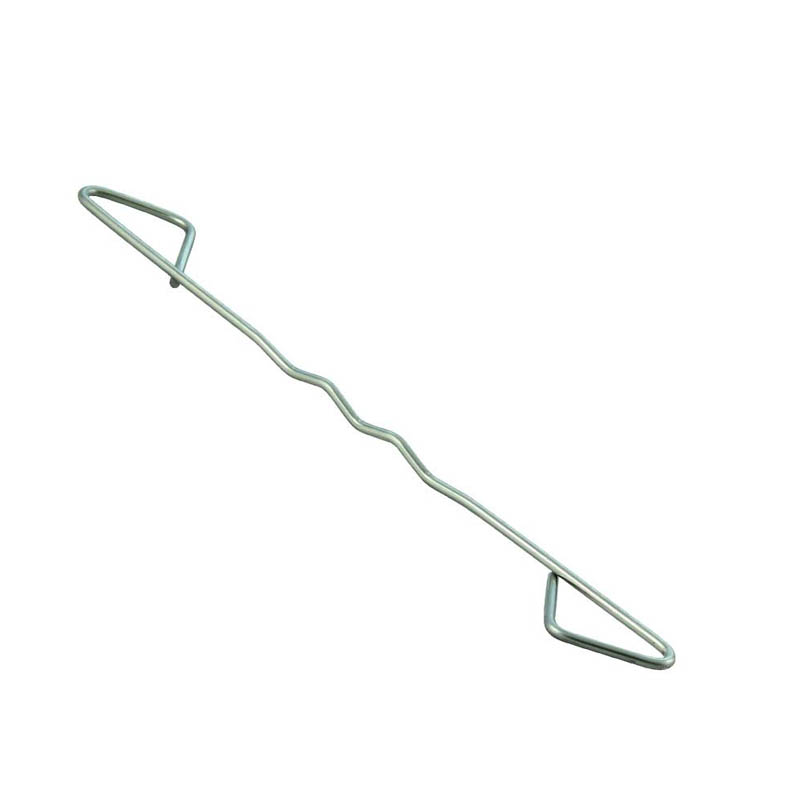
Figure 4: Detailed view of a stainless steel cavity wall tie, highlighting its design for longevity.
These advantages are critical considerations for architects, engineers, and contractors in selecting the most appropriate of the different types of cavity wall ties for their projects, ensuring compliance with building codes and achieving optimal building performance.
Vendor Comparison and Selection Criteria
Choosing the right supplier for cavity wall ties is as critical as selecting the ties themselves. B2B decision-makers should evaluate vendors based on a comprehensive set of criteria to ensure quality, compliance, and long-term partnership value.
Key Selection Criteria:
- Material Quality & Certification: Verify the use of certified materials (e.g., stainless steel Grades 304/316, galvanized steel to EN ISO 1461) and adherence to international standards like EN 845-1.
- Manufacturing Standards: Look for ISO 9001 certification, indicating a robust quality management system throughout the production process.
- Product Range & Customization: A broad portfolio of different types of cavity wall ties, coupled with the ability to offer customized lengths, gauges, and designs for unique project requirements.
- Technical Support & Expertise: Access to experienced technical teams for specification advice, load calculations, and problem-solving. This includes support for integrating ties into BIM models.
- Lead Times & Logistics: Reliable production capacity and efficient supply chain management to meet project deadlines, especially for large-scale or time-sensitive orders.
- Warranty & After-Sales Service: Clear warranty commitments and accessible after-sales support to address any post-purchase queries or issues.
Vendor Comparison Table (Illustrative):
| Feature/Metric | Our Company (CNTC Metal) | Competitor A | Competitor B |
|---|---|---|---|
| Material Certifications | EN 845-1, ISO 9001, CE Mark | EN 845-1, ISO 9001 | EN 845-1 |
| Stainless Steel Grades | 304, 316 (Full range) | 304 (Limited 316) | 304 only |
| Customization Options | Extensive (Lengths, gauges, designs) | Moderate (Standard lengths, few designs) | Limited (Standard products only) |
| Technical Support | Dedicated engineering team, BIM support | Standard technical hotline | Basic product info |
| Avg. Lead Time (Std. Orders) | 2-3 weeks | 3-5 weeks | 4-6 weeks |
| Warranty Period | 5-10 years (product dependent) | 2-5 years | 1 year |
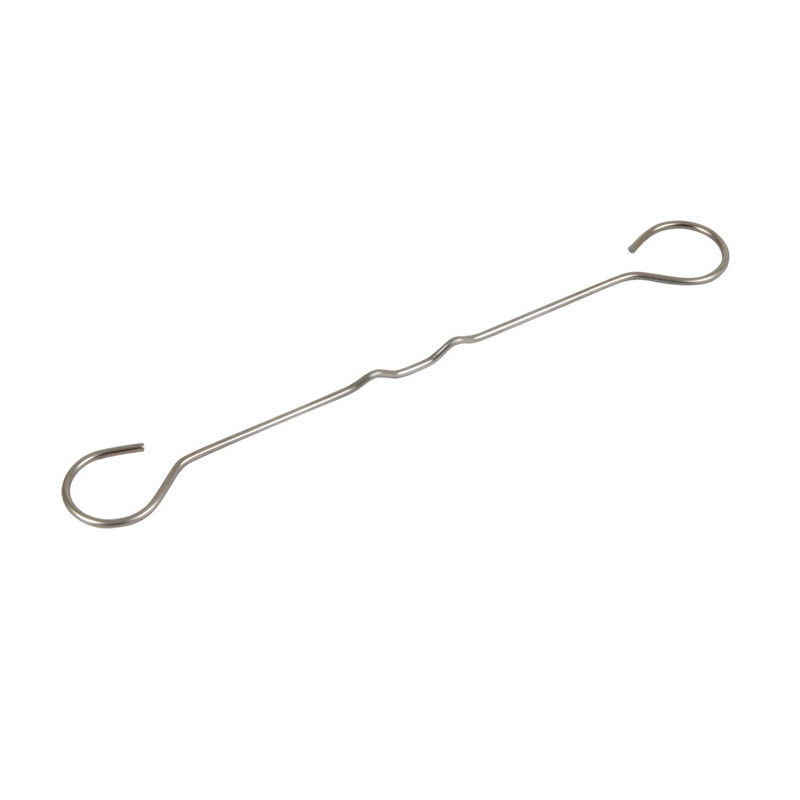
Figure 5: High-grade stainless steel wire ties, ready for dispatch.
Our extensive experience and adherence to the highest standards position us as a reliable partner for your project's cavity wall tie requirements.
Customized Solutions and Design Considerations
Every construction project presents unique challenges and specifications. Recognizing this, we offer highly customized solutions for different types of cavity wall ties to perfectly align with specific structural, architectural, and environmental demands.
Our customization capabilities include:
- Tailored Lengths and Gauges: For varying cavity widths, wall thickness, or specific load requirements, ties can be manufactured to precise lengths and material gauges.
- Specialized Materials: Beyond standard stainless steel 304/316 and galvanized options, we can explore other alloys for extremely harsh or unique chemical environments.
- Design Modifications: Adapting tie designs for specific thermal performance requirements, seismic considerations, or integration with unconventional insulation systems. This might include bespoke drip features or specialized end-fixings.
- Engineering Support: Our team of experienced engineers works closely with project stakeholders to provide detailed technical drawings, load calculations, and expert advice to ensure compliance with local building codes and optimal performance. This collaborative approach minimizes risks and optimizes material selection.
We pride ourselves on being not just a supplier, but a technical partner, offering comprehensive support from initial design consultation through to project completion. This ensures that the chosen tie solution is not only compliant but also contributes to the long-term success and sustainability of the structure.
Application Case Studies: Proven Performance in Real-World Scenarios
Our commitment to quality and engineering excellence is demonstrated through successful deployments across a range of challenging projects.
Case Study 1: High-Rise Residential Development, Coastal Region
- Challenge: A 30-story residential tower located in a corrosive coastal environment, requiring robust structural integrity against high wind loads and salt-laden air, alongside high thermal performance.
- Solution: We supplied custom-length different types of cavity wall ties, specifically Grade 316 stainless steel vertical twist ties, with a thicker gauge (4mm) to handle increased wind loads. Each tie was designed with an integrated thermal break to meet the project's stringent U-value requirements.
- Outcome: The project successfully met all structural and thermal performance targets, with the ties providing superior corrosion resistance, contributing to an estimated service life exceeding 100 years for the facade.
Case Study 2: Industrial Chemical Processing Facility Expansion
- Challenge: An expansion of an existing chemical plant required cavity wall ties that could withstand aggressive chemical vapors and intermittent splash exposure, while ensuring structural stability for the new processing units.
- Solution: Drawing on our expertise in harsh environments, we provided specialized Grade 316L (low carbon) stainless steel frame cramp ties, known for enhanced corrosion resistance against specific chemical agents. These ties were supplied with bespoke debonding sleeves and anchors for securing masonry to concrete columns.
- Outcome: The ties exhibited excellent resistance to the facility's corrosive atmosphere during post-installation inspections, ensuring the long-term structural integrity of the new masonry sections without degradation.
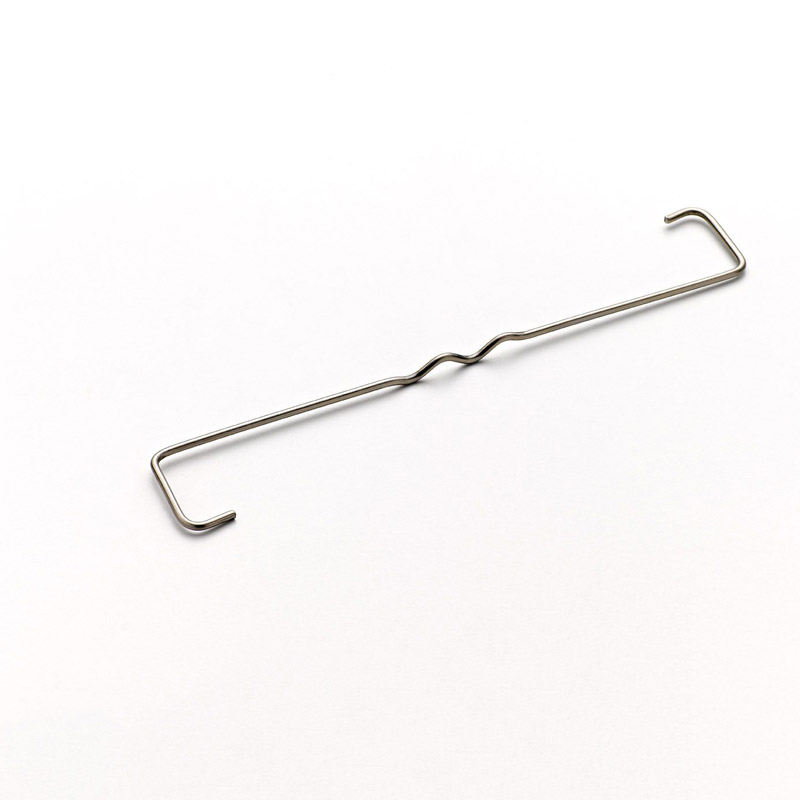
Figure 6: Cavity wall ties installed within an insulation layer in a modern energy-efficient building.
Ensuring Quality, Trustworthiness, and Support
Our reputation as a trusted B2B partner is built on a foundation of rigorous quality assurance, transparent processes, and unwavering customer support. We adhere strictly to international standards and certifications to guarantee product reliability.
Certifications and Compliance:
- ISO 9001: Certified for quality management systems, ensuring consistent product quality from raw material sourcing to final delivery.
- EN 845-1: Our ties meet or exceed the requirements of the European standard for masonry ties, including characteristic load performance and material specifications.
- CE Marking: All applicable products bear the CE mark, signifying compliance with essential health and safety requirements for products sold within the European Economic Area.
- NHBC Standards: Our products are designed to meet the technical requirements set by the National House-Building Council (NHBC), a leading warranty provider for new homes in the UK.
Lead Time and Fulfillment:
Standard orders for common different types of cavity wall ties typically have a lead time of 2-3 weeks, depending on quantity and specific requirements. For customized or large-scale projects, detailed production schedules are provided upon order confirmation to ensure timely delivery and seamless project execution. We maintain strategic inventory levels to support urgent demands and regional distribution needs.
Warranty Commitments:
We stand behind the quality of our products. Our cavity wall ties are supplied with a standard product warranty of 5 to 10 years, depending on the material and application, against manufacturing defects and material failure under normal operating conditions. Extended warranties may be available for specific project agreements.
Customer Support:
Our dedicated customer support team and technical specialists are available to assist with product selection, technical queries, installation guidance, and after-sales support. We offer comprehensive documentation, including technical data sheets and installation guides, to ensure optimal product use and performance.
Frequently Asked Questions (FAQ)
Q1: What are the primary functions of different types of cavity wall ties?
A1: Cavity wall ties serve three main functions: connecting the inner and outer leaves of a cavity wall, transferring lateral loads (e.g., wind) from the outer leaf to the inner structural leaf, and preventing moisture ingress across the cavity.
Q2: How do I choose the correct type of cavity wall tie for my project?
A2: Selection depends on several factors: cavity width, wall material (brick, block, timber frame), exposure conditions (e.g., coastal, industrial), structural loads (wind, seismic), and thermal performance requirements. Consulting building codes and our technical team is recommended.
Q3: What is the expected service life of your cavity wall ties?
A3: Our galvanized steel ties typically offer a service life exceeding 60 years in normal exposure conditions. Stainless steel ties (Grade 304 and 316) are engineered for up to 100 years or more, especially in aggressive environments, ensuring long-term structural integrity.
Q4: Are your products compliant with international building standards?
A4: Yes, our products are manufactured and tested to meet stringent international standards, including EN 845-1 and ISO 9001, and are CE marked where applicable, ensuring compliance and reliability.
Q5: Can you provide customized cavity wall ties for unique project specifications?
A5: Absolutely. We offer extensive customization options for lengths, gauges, materials, and specific designs. Our engineering team can collaborate with you to develop bespoke tie solutions for your project.
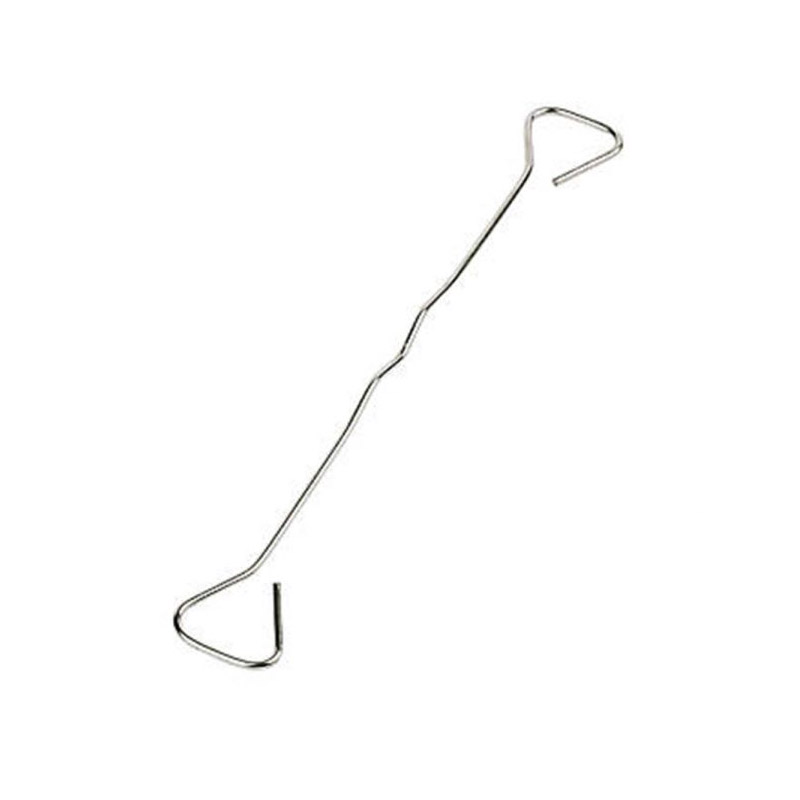
Figure 7: An assortment of cavity wall ties demonstrating the range of available designs and materials.
Conclusion
The strategic selection and precise application of the various different types of cavity wall ties are indispensable for the structural integrity, thermal performance, and long-term durability of modern buildings. As an industry leader, we are committed to providing high-quality, technically compliant, and innovative cavity wall tie solutions that meet the evolving demands of the B2B construction sector. Our extensive product range, combined with rigorous manufacturing processes, adherence to international standards, and dedicated technical support, ensures that our partners receive components that contribute significantly to the safety, efficiency, and longevity of their projects.
Partner with us to secure your structures with confidence and build for the future.
References
- British Standards Institution. (2013). BS EN 845-1:2013. Specification for ancillary components for masonry. Wall ties, tension straps, hangers and brackets. BSI Standards Publication.
- International Organization for Standardization. (2015). ISO 9001:2015. Quality management systems — Requirements. ISO.
- Building Research Establishment (BRE). (2001). Thermal Insulation: Avoiding risks. BR 262.
- The Concrete Centre. (2013). Concrete Blockwork. Design and detailing for masonry construction.
- National House-Building Council (NHBC). (2020). NHBC Standards 2020: Chapter 6.1 - External walls.
share:
-
Factors Influencing Hexagonal Wire Mesh Price and Buyer GuideNewsApr.16,2026
-
Understanding the Price of Chicken Mesh and Buying GuideNewsApr.09,2026
-
Comprehensive Guide to Understanding and Optimizing Poultry Net Price StrategiesNewsApr.07,2026
-
Understanding Hen Net Price for Optimal International Metal TradingNewsApr.04,2026
-
Comprehensive Guide to Chicken Wire Fence Price and Installation CostsNewsMar.31,2026
-
Comprehensive Guide to Chicken Netting Price Factors and OptionsNewsMar.28,2026
-
Comprehensive Guide to Chicken Net Fence Price and Optimal SelectionNewsMar.26,2026