
- Mobile Phone
- +8613931874955
- sales@cntcmetal.com
Comprehensive Guide to Durable Stainless Steel Chicken Wire Solutions
Stainless Steel Chicken Wire: A Comprehensive Guide
When it comes to secure and durable fencing solutions, stainless steel chicken wire stands out for its exceptional strength, corrosion resistance, and longevity. This article provides a detailed overview of stainless steel chicken wire, covering its applications, benefits, different types, and essential considerations for choosing the right product. Whether you’re securing poultry, creating protective barriers, or need a robust mesh for industrial applications, understanding the nuances of stainless steel chicken wire is crucial. We'll explore why this material is a preferred choice across various sectors.
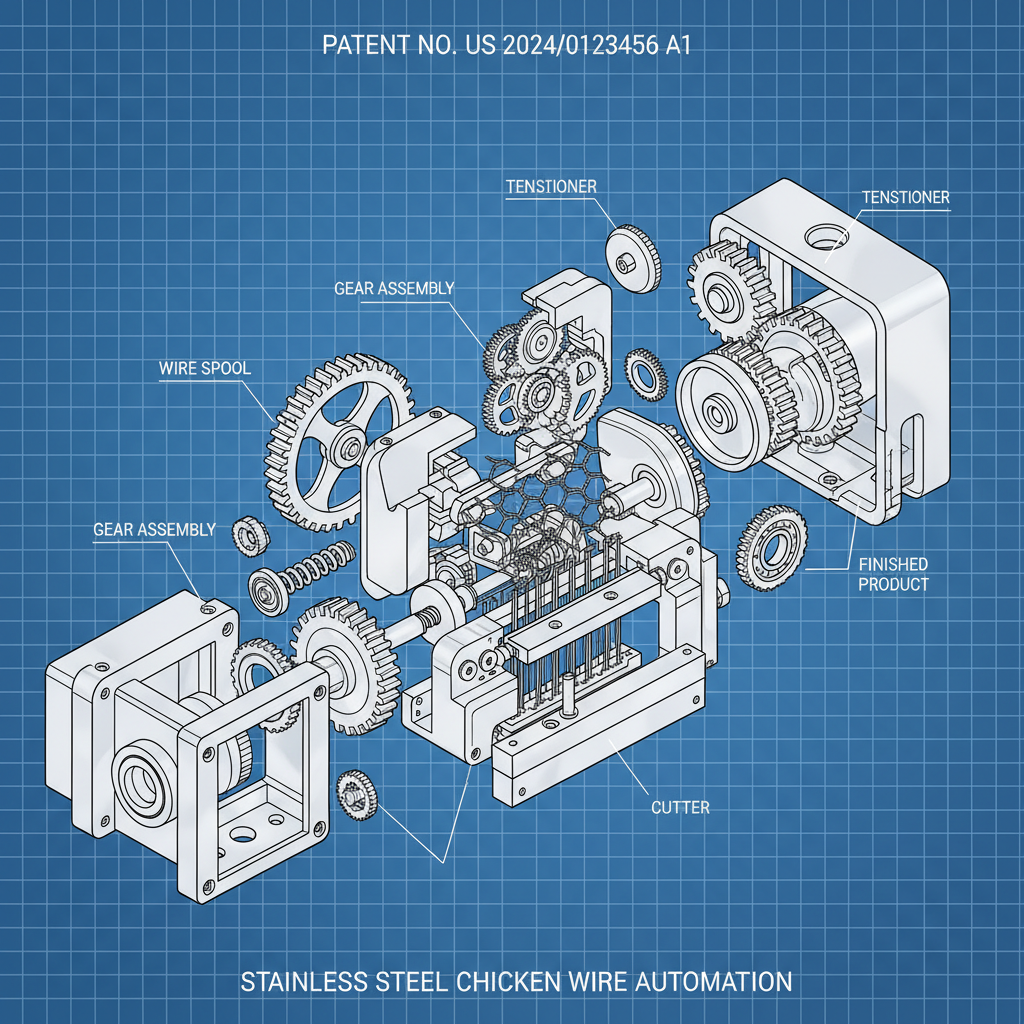
Understanding Stainless Steel Chicken Wire
Unlike traditional galvanized chicken wire, stainless steel chicken wire utilizes alloys containing chromium, nickel, and molybdenum, providing superior resistance to rust, corrosion, and extreme weather conditions. This makes it ideal for both indoor and outdoor applications where durability is paramount. The tight weave of the wire mesh provides a secure barrier against pests, predators, and unwanted access. Its high tensile strength ensures it can withstand significant stress and maintain its structural integrity over extended periods. This makes it a cost-effective solution in the long run, as it requires less frequent replacement. CNTC Metal offers a wide range of stainless steel chicken wire options to suit diverse needs.
Key Highlights: Stainless steel chicken wire offers exceptional corrosion resistance, high tensile strength, and a long service life, making it a durable and cost-effective fencing solution.
Applications of Stainless Steel Chicken Wire
The versatility of stainless steel chicken wire makes it suitable for a wide range of applications, including: poultry fencing, protecting livestock from predators; horticulture, supporting climbing plants and creating protective cages; industrial applications, such as filtering and screening; security fencing, providing a robust barrier against unauthorized access; and even craft and DIY projects. The non-toxic nature of stainless steel also makes it safe for use in animal enclosures and gardens. Its resistance to corrosion is particularly valuable in coastal environments or areas with high humidity.
Application Benefits:
• Secure poultry and livestock enclosures.
• Durable support for climbing plants.
• Effective filtering and screening in industrial settings.
• Reliable security fencing.
Stainless Steel Chicken Wire Grades and Specifications
Stainless steel chicken wire is available in various grades, with 304 and 316 being the most common. 304 stainless steel offers excellent corrosion resistance for general-purpose applications, while 316 stainless steel provides superior resistance to chlorides and saline environments, making it ideal for coastal areas or marine applications. The wire gauge (thickness) and mesh size are also crucial factors to consider when selecting the appropriate product. Thicker wire gauges offer greater strength and durability, while smaller mesh sizes provide a finer barrier.
Comparing Stainless Steel to Galvanized Chicken Wire
While galvanized chicken wire is a more affordable option, it's prone to rust and corrosion, especially in harsh environments. Stainless steel chicken wire offers significantly longer lifespan and requires minimal maintenance, making it a more cost-effective choice in the long run. Although the initial investment is higher, the superior durability and resistance to degradation of stainless steel result in reduced replacement costs and increased overall value. Contact CNTC Metal for a quote today!
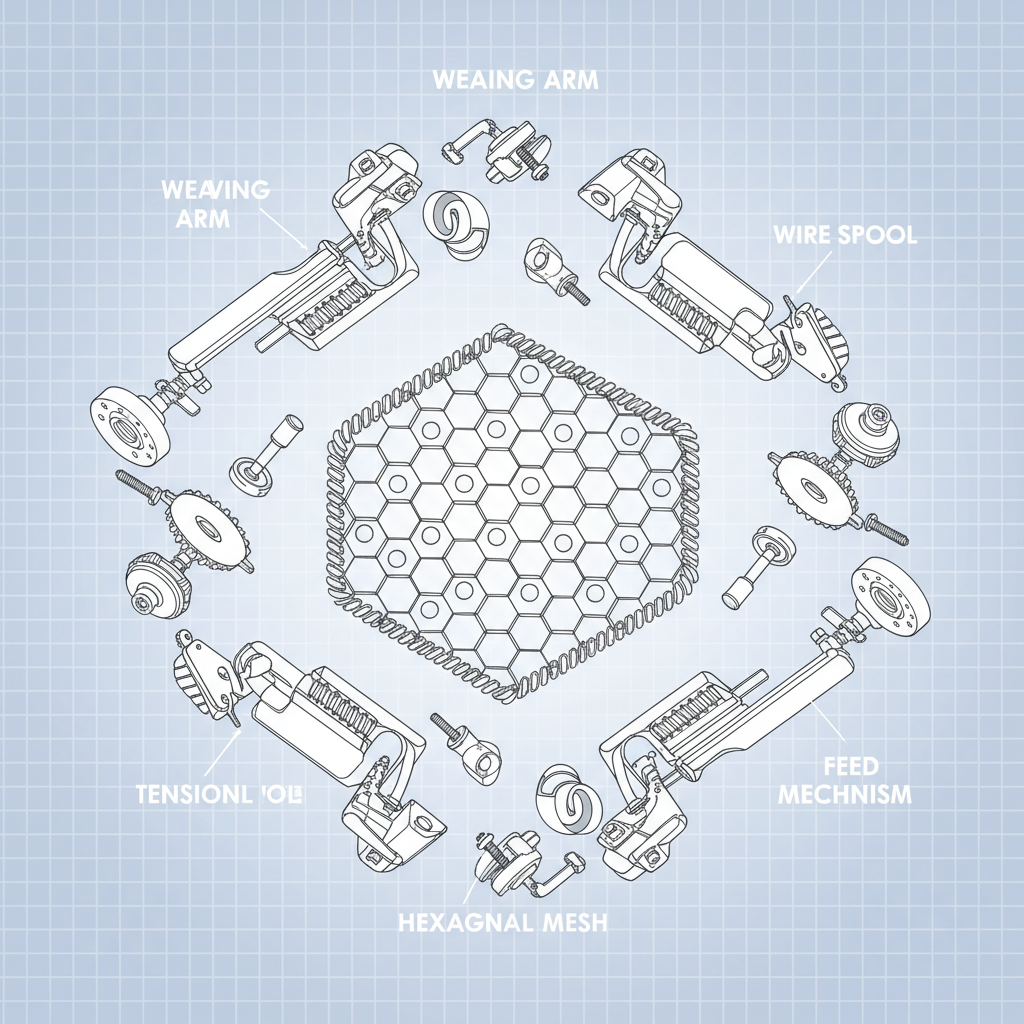
Choosing the Right Stainless Steel Chicken Wire: Key Considerations
Selecting the correct stainless steel chicken wire involves considering several factors: wire gauge, impacting strength; mesh size, determining the level of containment; grade of stainless steel, based on environmental conditions; and roll size, ensuring adequate coverage. It's also crucial to source your materials from a reputable supplier like CNTC Metal, to guarantee quality and consistency. Proper installation techniques are also essential for maximizing the lifespan and effectiveness of the fencing.
Conclusion: Invest in Long-Lasting Protection
Investing in stainless steel chicken wire is a smart choice for anyone seeking a durable, reliable, and long-lasting fencing solution. Its superior corrosion resistance, strength, and versatility make it ideal for a wide range of applications. By choosing the right grade and specifications, and sourcing your materials from a trusted supplier, you can ensure a secure and effective barrier for years to come.
Frequently Asked Questions (FAQs)
What is the typical lifespan of stainless steel chicken wire?
Stainless steel chicken wire, particularly grades 304 and 316, can last for decades with proper maintenance. Unlike galvanized steel which is susceptible to rust, stainless steel resists corrosion exceptionally well. The lifespan depends on the environment; in less corrosive environments, it can easily exceed 20 years. Regular cleaning to remove dirt and debris can further extend its life. Factors like wire gauge and mesh size also play a role, with heavier gauges and smaller mesh providing greater longevity.
Is stainless steel chicken wire difficult to work with?
Stainless steel chicken wire is generally more challenging to cut and bend than galvanized steel due to its higher tensile strength. However, with the right tools – such as wire cutters designed for stainless steel – it can be effectively worked with. Wearing gloves is recommended to protect hands from sharp edges. Proper stretching and securing techniques are crucial for a tight and durable installation.
What is the difference between 304 and 316 stainless steel chicken wire?
Both 304 and 316 stainless steel offer excellent corrosion resistance. However, 316 contains molybdenum, which significantly enhances its resistance to chloride corrosion, making it ideal for coastal areas, marine environments, or applications where exposure to saltwater or de-icing salts is likely. 304 is suitable for most general-purpose applications, while 316 provides a superior level of protection in harsh environments.
share:
-
Factors Influencing Hexagonal Wire Mesh Price and Buyer GuideNewsApr.16,2026
-
Understanding the Price of Chicken Mesh and Buying GuideNewsApr.09,2026
-
Comprehensive Guide to Understanding and Optimizing Poultry Net Price StrategiesNewsApr.07,2026
-
Understanding Hen Net Price for Optimal International Metal TradingNewsApr.04,2026
-
Comprehensive Guide to Chicken Wire Fence Price and Installation CostsNewsMar.31,2026
-
Comprehensive Guide to Chicken Netting Price Factors and OptionsNewsMar.28,2026
-
Comprehensive Guide to Chicken Net Fence Price and Optimal SelectionNewsMar.26,2026