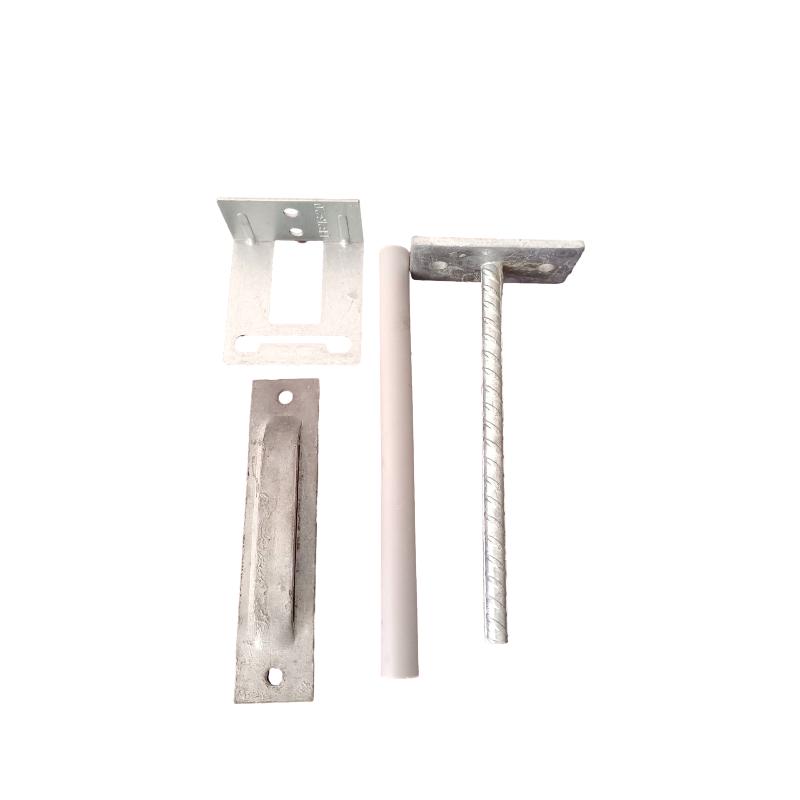
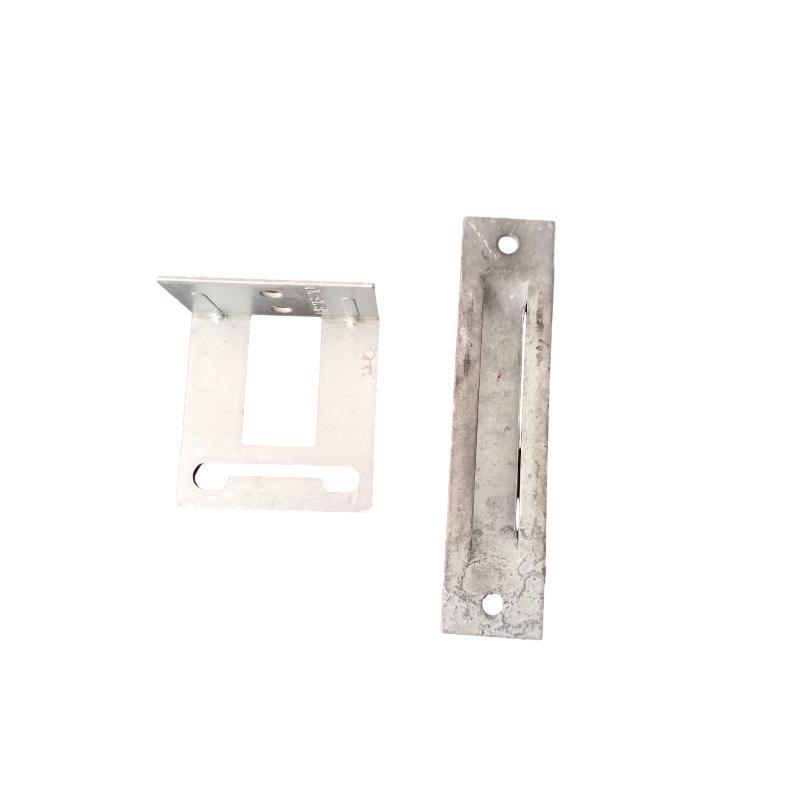
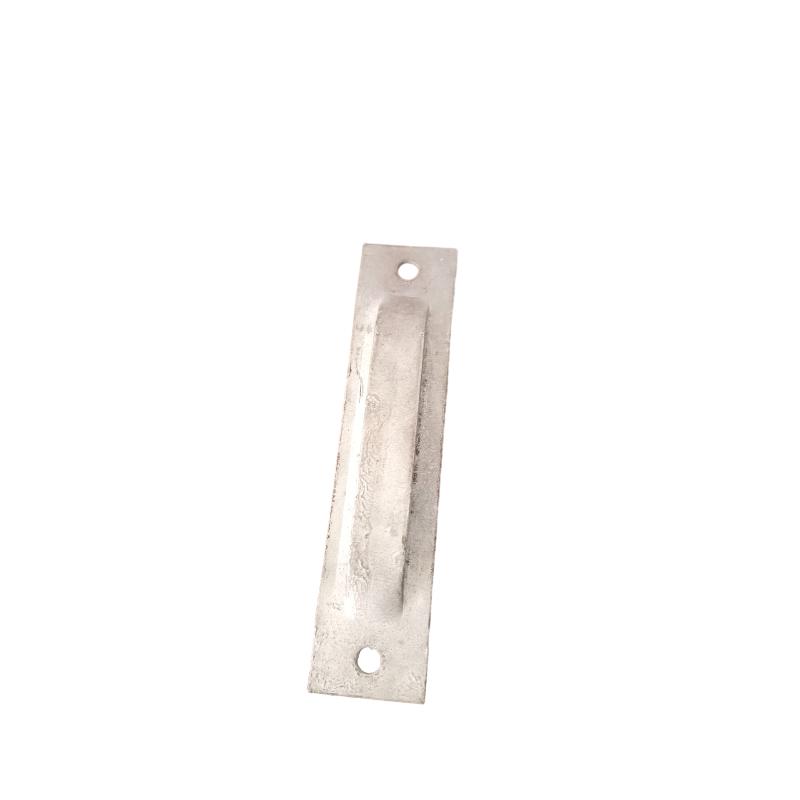
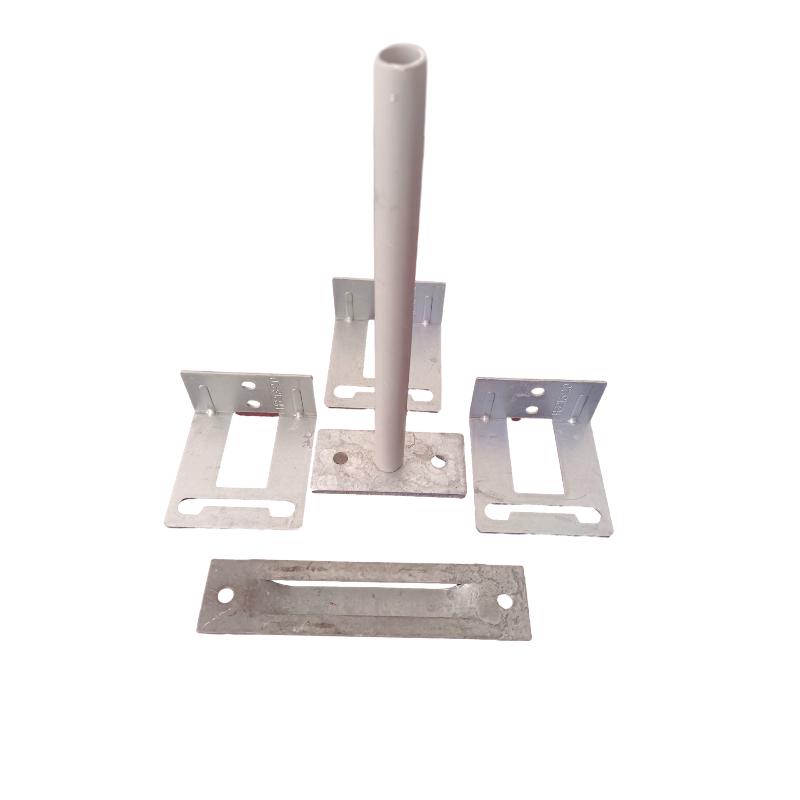
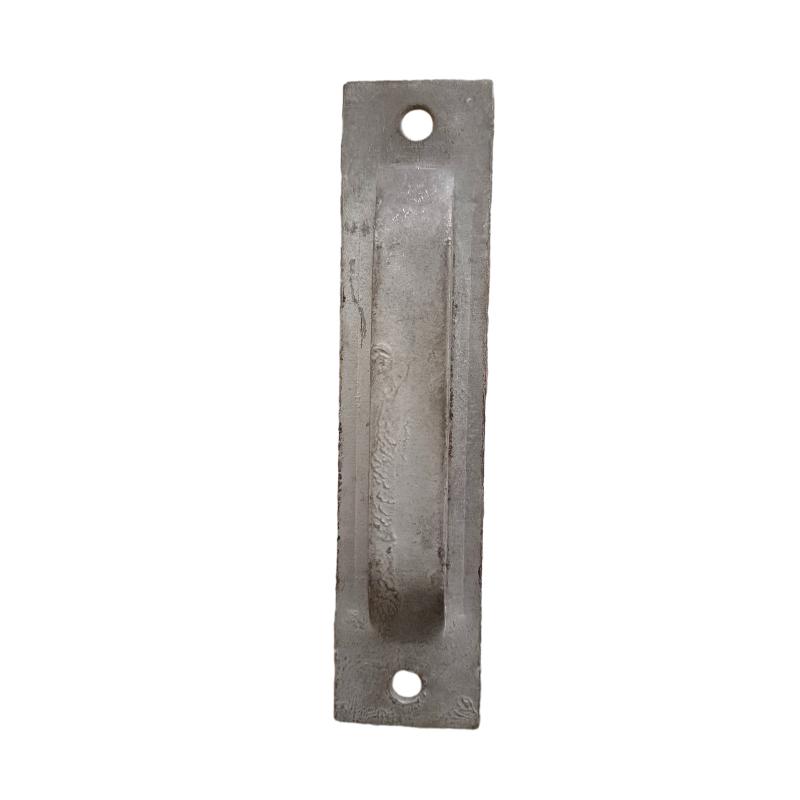
Product Advantages
- 1.Easy to install: Simple in design and easy to install, requiring no professional skills, reducing construction time and cost.
- 2.Multiple size options: Offered in a variety of sizes to meet the needs of different brick veneers and metal studs.
- 3.High strength: Made of durable materials, it can withstand heavy weight and pressure, ensuring a secure connection between the brick veneer and metal studs.
- 4.Corrosion resistance: Constructed with corrosion-resistant materials to extend product lifespan and reduce maintenance costs.
- 5.Aesthetics: Designed with simplicity and elegance, it blends well with brick veneers and metal studs, enhancing the overall aesthetic of the building.
6.Versatility: Applicable to various types of brick veneers and metal studs, making it a versatile solution.
Product Instructions
1. Preparation: Ensure the surface of the metal stud is clean and level for better adhesion.
2. Size selection: Choose the appropriate size of Screw-On Veneer Anchor based on the thickness and dimensions of the brick veneer and metal stud.
3. Installation: Use a screwdriver or power tool to install the Screw-On Veneer Anchor onto the metal stud.
4. Inspection and fastening: Verify the connection between the brick veneer and metal stud is secure and, if necessary, secure it further using appropriate tools (such as a screwdriver or wrench).
The production process of Screw-On Veneer Anchor typically involves forming the steel into the required shape using a press machine to meet specific project requirements.
Product Application Scenarios
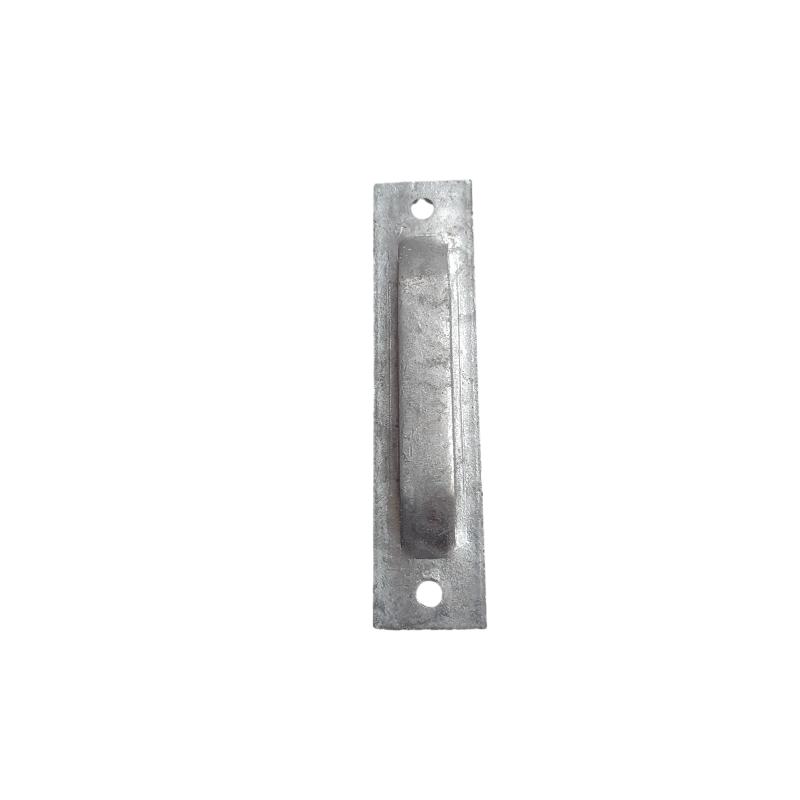
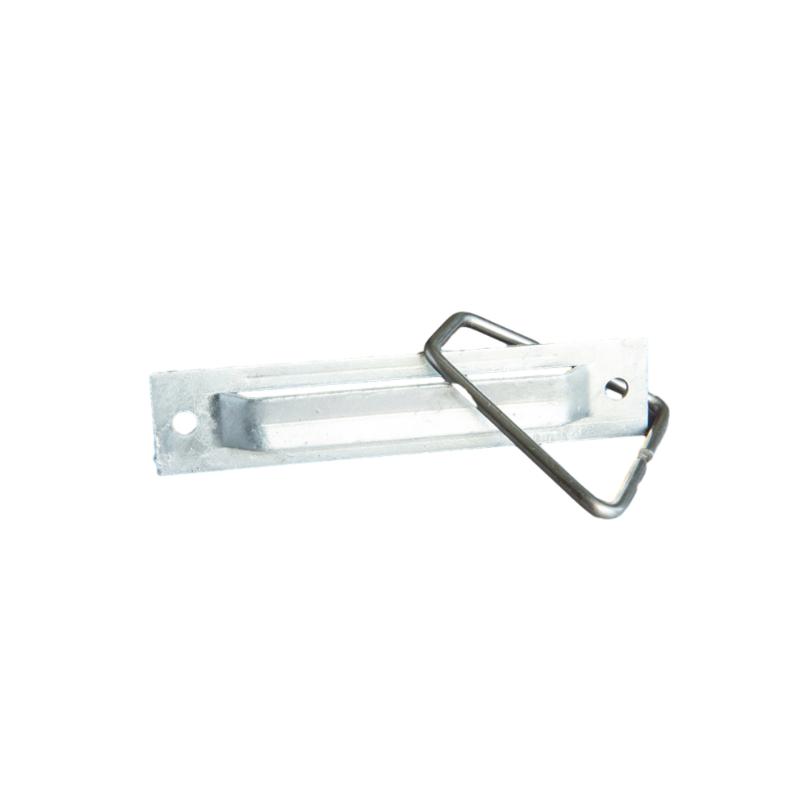
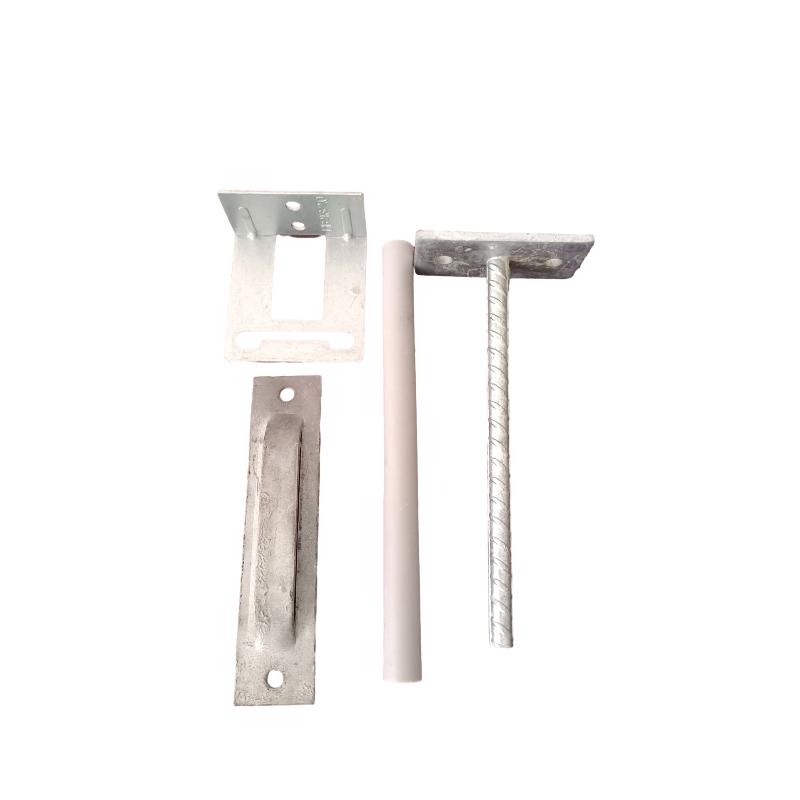
Screw-On Veneer Anchor is widely used in the construction industry, particularly in brick veneer installations on metal studs. It provides extra strength and stability, protecting the brick veneer from damage during earthquakes, wind, or other natural disasters.
Product Price Advantage
Screw-On Veneer Anchor is relatively inexpensive, offering a cost-effective solution for anchoring brick veneer to metal studs. Its simple design and manufacturing process result in lower production costs, providing users with competitive pricing.
How to Install Screw On Veneer Anchor for Brick and Stone Walls
Proper installation of Screw On Veneer Anchor is essential for ensuring the stability, durability, and long-term performance of masonry and stone veneer walls. These anchors provide a reliable mechanical connection between the veneer and the structural backup wall, maintaining proper alignment, controlling differential movement, and enhancing the overall strength of the wall system. Following correct installation procedures guarantees optimal performance and safety.
Step 1: Understanding the Function of Screw On Veneer Anchor
A Screw On Veneer Anchor is designed to attach brick, stone, or other veneer materials securely to the structural wall. Unlike traditional anchors or ties, it uses a screw mechanism to create a strong mechanical bond. This type of anchor accommodates minor wall movement due to thermal expansion or structural settling while keeping the veneer in place. It is particularly effective in preventing cracks, bowing, or detachment over time.
Step 2: Preparing the Work Area
Before installation, inspect the backup wall to ensure it is clean, level, and free of debris. Determine the spacing of anchors according to project specifications or local building codes, which typically vary based on the type of veneer material, wall height, and anticipated loads. Gather necessary tools, including a drill, masonry bits, screws, and the Screw On Veneer Anchors themselves.
Step 3: Positioning the Anchors
Mark the intended locations for each Screw On Veneer Anchor on the veneer surface. Typically, anchors are placed at regular vertical and horizontal intervals to ensure uniform load distribution. The spacing must be consistent to provide even support and prevent uneven stress on the veneer, which could lead to cracks or detachment.
Step 4: Drilling and Securing the Anchors
Using an appropriate masonry drill bit, drill pilot holes through the veneer and into the structural backup wall. The hole depth should match the anchor length to ensure full engagement. Insert the Screw On Veneer Anchor into the hole and tighten the screw carefully. Ensure the anchor is flush with the veneer surface and that the screw is firmly seated without over-tightening, which could damage the anchor or veneer.
Step 5: Verifying Alignment and Stability
After installing each anchor, inspect the veneer to confirm it is properly aligned and securely attached. Check that the anchors are evenly spaced and fully engaged in both the veneer and the backup wall. Adjust any misaligned anchors as needed before proceeding with additional installation or mortar work.
Step 6: Completing the Wall Assembly
Once all Screw On Veneer Anchors are installed, continue with finishing work, including mortar joints, grouting, or sealants, depending on the veneer type. Proper anchor placement ensures that the veneer remains securely attached throughout construction and provides long-term resistance to movement, weathering, and structural stresses.
Conclusion
Installing Screw On Veneer Anchor correctly is vital for creating durable, stable, and aesthetically pleasing brick and stone walls. By following proper preparation, positioning, drilling, and securing procedures, builders can achieve reliable mechanical connections that prevent cracking, bowing, or detachment over time. These anchors enhance the strength, safety, and longevity of masonry veneer installations, making them an essential component in modern construction projects.
Benefits of Screw On Veneer Anchor in Masonry Construction
In modern masonry construction, ensuring the secure attachment of brick, stone, or other veneer materials to the structural wall is critical for long-term durability and safety. One of the most effective solutions for achieving this is the Screw On Veneer Anchor. This mechanical anchor provides reliable support, enhances wall stability, and improves the overall performance of masonry structures. By using these anchors, builders can prevent common issues such as cracking, detachment, or uneven movement of veneer materials.
Enhanced Structural Stability
A primary benefit of the Screw On Veneer Anchor is its ability to create a strong mechanical connection between the veneer and the backup wall. The screw mechanism secures the veneer in place, reducing the risk of movement caused by wind, seismic forces, or thermal expansion. By maintaining proper alignment and spacing, these anchors help distribute loads evenly, contributing to the overall stability of masonry walls and ensuring a durable, long-lasting finish.
Improved Crack Prevention
One of the most common challenges in masonry veneer construction is the development of cracks or gaps due to differential movement between the veneer and the structural wall. The Screw On Veneer Anchor mitigates this risk by holding the veneer firmly in position while allowing for minor movement as the structure settles or expands. This reduces stress concentrations within the veneer, preventing unsightly cracks and maintaining the aesthetic and structural integrity of the wall over time.
Versatility in Applications
Screw On Veneer Anchors are highly versatile and can be used in a wide range of masonry applications. They are suitable for brick, stone, and lightweight concrete panels, making them ideal for residential buildings, commercial facades, and high-rise construction. Their adaptability ensures that architects and contractors can implement a consistent and reliable anchoring system across various projects and materials.
Ease of Installation
Another advantage of the Screw On Veneer Anchor is its straightforward installation process. Unlike some traditional anchors or ties, these anchors require minimal tools and labor. The screw-on design allows for quick placement while ensuring a secure hold. This efficiency reduces construction time and labor costs, providing both economic and practical benefits for contractors without compromising performance.
Durability and Longevity
Constructed from high-quality galvanized or stainless steel, Screw On Veneer Anchors offer excellent corrosion resistance and long-term durability. They maintain their strength and functionality even in harsh environmental conditions, including moisture, temperature fluctuations, and chemical exposure. This ensures that masonry veneer walls remain secure and stable for decades, reducing maintenance requirements and lifecycle costs.
Conclusion
The Screw On Veneer Anchor provides numerous benefits in masonry construction, including enhanced structural stability, improved crack prevention, versatile applications, ease of installation, and long-term durability. By incorporating these anchors, builders and engineers can achieve reliable, safe, and aesthetically pleasing veneer installations. For modern masonry projects seeking efficiency, strength, and longevity, Screw On Veneer Anchors are an indispensable component that ensures high-quality construction outcomes.
Applications of Screw On Veneer Anchor in Modern Building Facades
In contemporary construction, the aesthetic and structural integrity of building facades are critical considerations. One key component that enhances both appearance and stability is the Screw On Veneer Anchor. Designed to secure brick, stone, and other veneer materials to structural walls, these anchors are essential in modern building facades, offering reliable support, long-term durability, and efficient installation. Understanding their applications helps architects, engineers, and contractors implement effective solutions for durable and visually appealing exterior walls.
Securing Brick and Stone Veneers
The most common application of Screw On Veneer Anchors is in attaching brick and stone veneers to backup walls. These anchors provide a mechanical connection that holds the veneer firmly in place while allowing for minor movements due to thermal expansion or structural settling. By maintaining consistent alignment and spacing, the anchors ensure that the façade remains even, preventing cracks, bulging, or detachment. This is particularly important for high-rise buildings, commercial facades, and decorative residential exteriors where aesthetics and performance are both critical.
Supporting Lightweight Concrete Panels
In addition to traditional brick and stone, Screw On Veneer Anchors are also used for lightweight concrete or composite panels on modern facades. These panels often serve as architectural cladding that enhances energy efficiency, thermal insulation, and overall design. Anchors provide the necessary support to hold panels securely against the backup wall, ensuring safety and stability under wind loads and other environmental stresses.
Use in High-Rise and Commercial Buildings
Modern high-rise buildings and commercial projects often require façade systems that are both robust and visually attractive. Screw On Veneer Anchors are ideal for such applications due to their strength, reliability, and corrosion-resistant materials. They enable safe attachment of heavy veneers over large areas while maintaining consistent spacing and alignment. Their versatility allows them to accommodate different materials, thicknesses, and façade designs, making them a preferred choice in urban construction projects.
Efficiency in Installation
The design of Screw On Veneer Anchors allows for straightforward and rapid installation. Unlike traditional wall ties that may require complex placement or mortar embedding, these anchors use a screw-on mechanism that ensures secure attachment in less time. This efficiency reduces labor costs, speeds up project timelines, and minimizes the risk of misalignment or improper fastening, which can compromise façade integrity.
Durability and Long-Term Performance
Constructed from galvanized or stainless steel, Screw On Veneer Anchors offer excellent resistance to corrosion and environmental degradation. This durability ensures that facades remain secure, stable, and visually appealing for decades. They perform effectively under various environmental conditions, including rain, humidity, temperature changes, and wind loads, providing a reliable solution for long-lasting building envelopes.
Conclusion
The Screw On Veneer Anchor is a versatile and essential component in modern building facades. Its applications range from securing brick and stone veneers to supporting lightweight panels in high-rise and commercial buildings. By providing strong mechanical connections, efficient installation, and long-term durability, these anchors enhance both the structural integrity and visual appeal of contemporary façades. Incorporating Screw On Veneer Anchors ensures safe, reliable, and aesthetically pleasing exterior walls in today’s architectural projects.
adjustable brick tie
adjustable brick ties
brick wire ties
concrete accessories products
concrete formwork accessories
masonry accessories
precast concrete accessories
wall ties for concrete
wall ties masonry