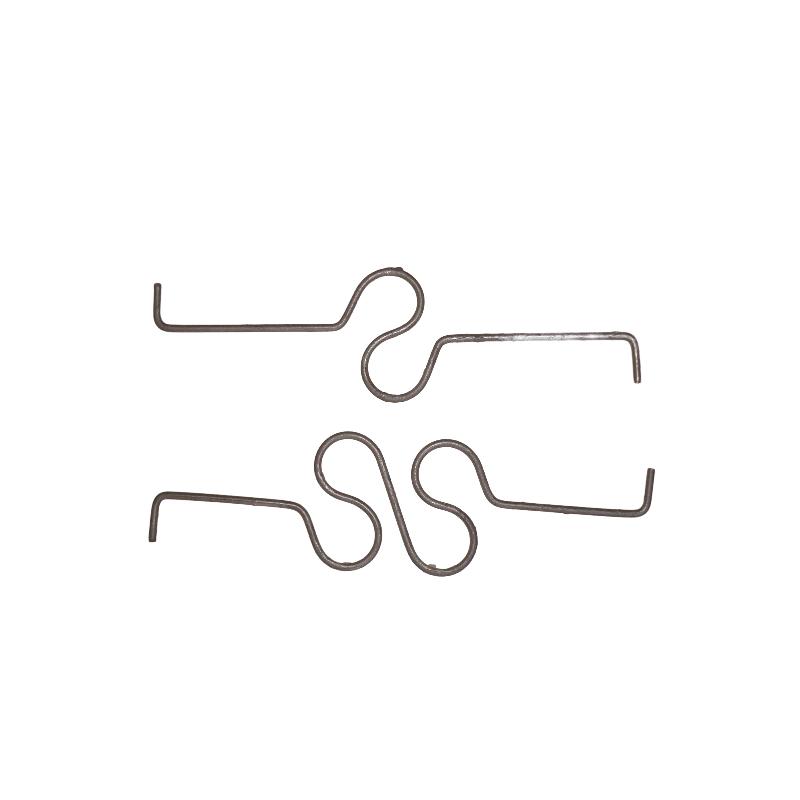
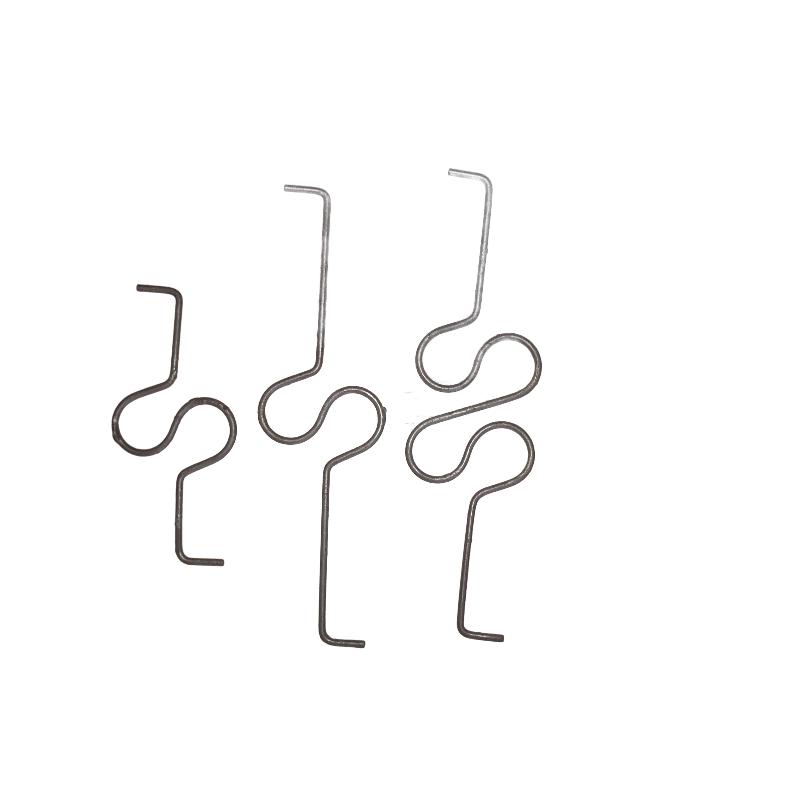
Product Advantages
1. Easy to use: Rebar Positioners are designed to be simple and easy to use, allowing for quick and accurate positioning of reinforcement bars.
2. Improve construction efficiency: Using Rebar Positioners can reduce construction time and labor, thereby improving construction efficiency.
3. Ensure construction quality: Rebar Positioners help to ensure the accurate positioning of reinforcement bars, thereby improving the strength and stability of concrete structures.
4. Reduce costs: Using Rebar Positioners can reduce the waste and loss of reinforcement bars, thereby reducing construction costs.
5. Improve safety: Rebar Positioners can reduce the risk of injury to construction workers during the positioning of reinforcement bars, thereby improving construction safety.
Product Instructions
1. Determine the position of the reinforcement bar: Before using Rebar Positioners, it is necessary to determine the position and spacing of the reinforcement bar to ensure accurate installation.
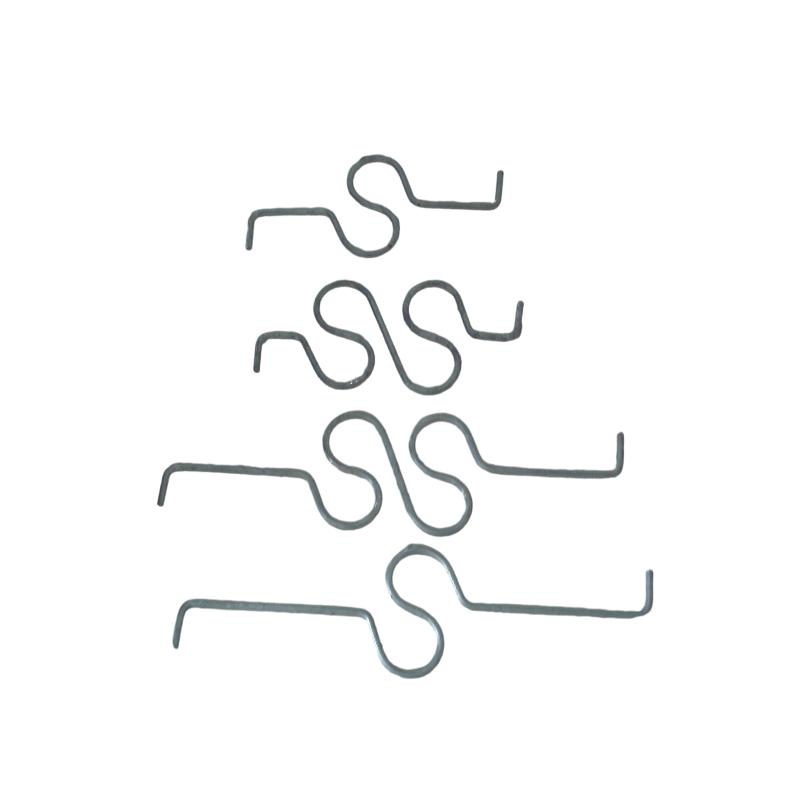
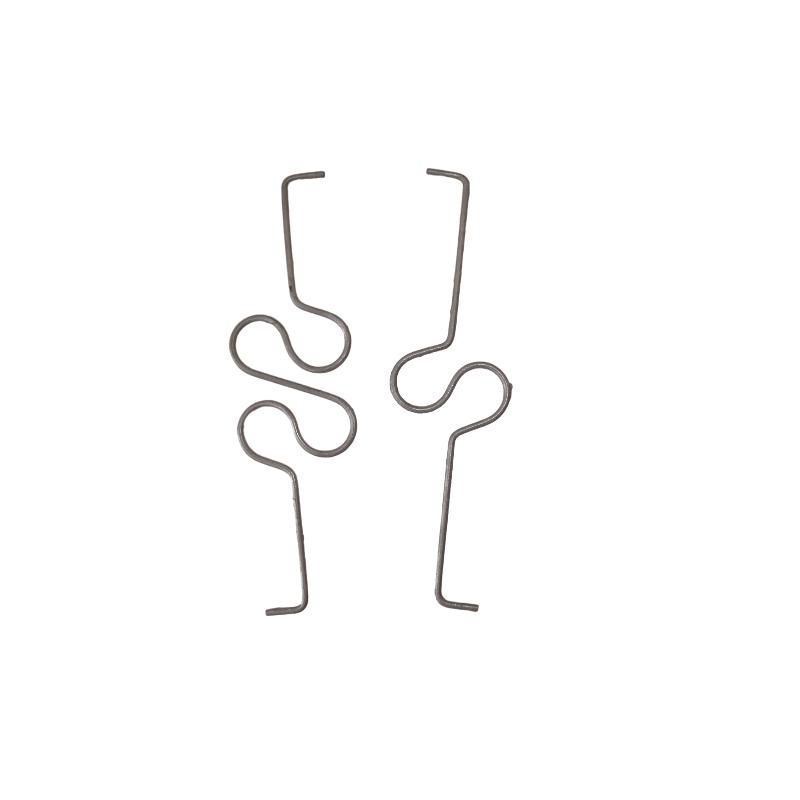
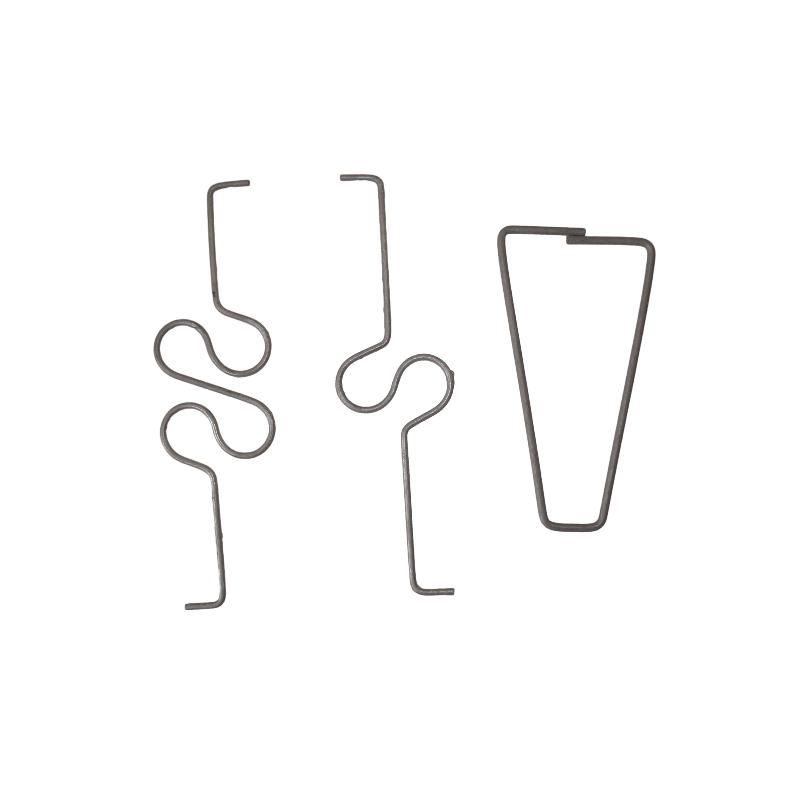
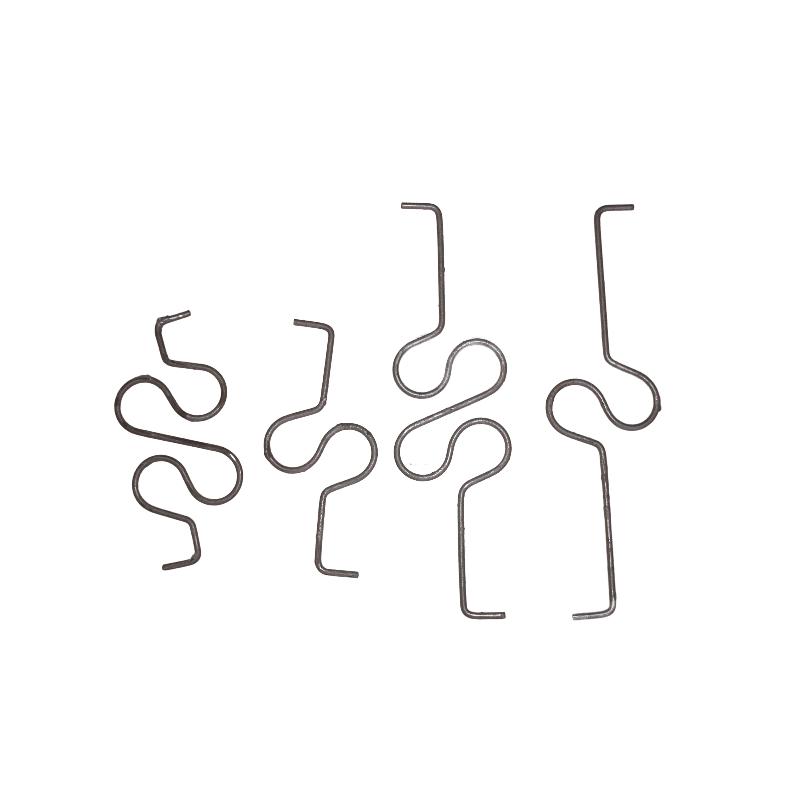
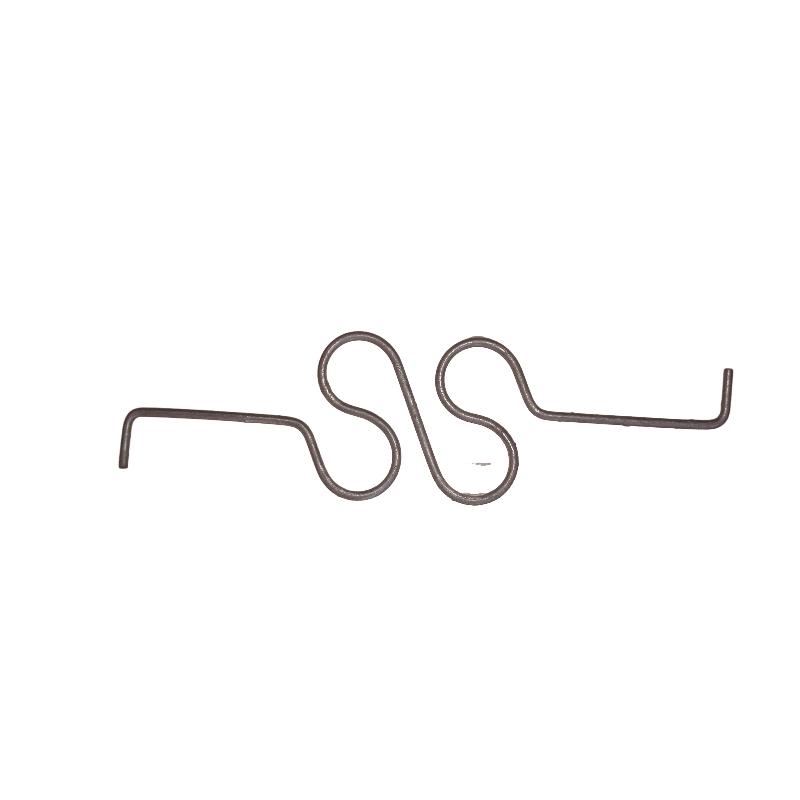
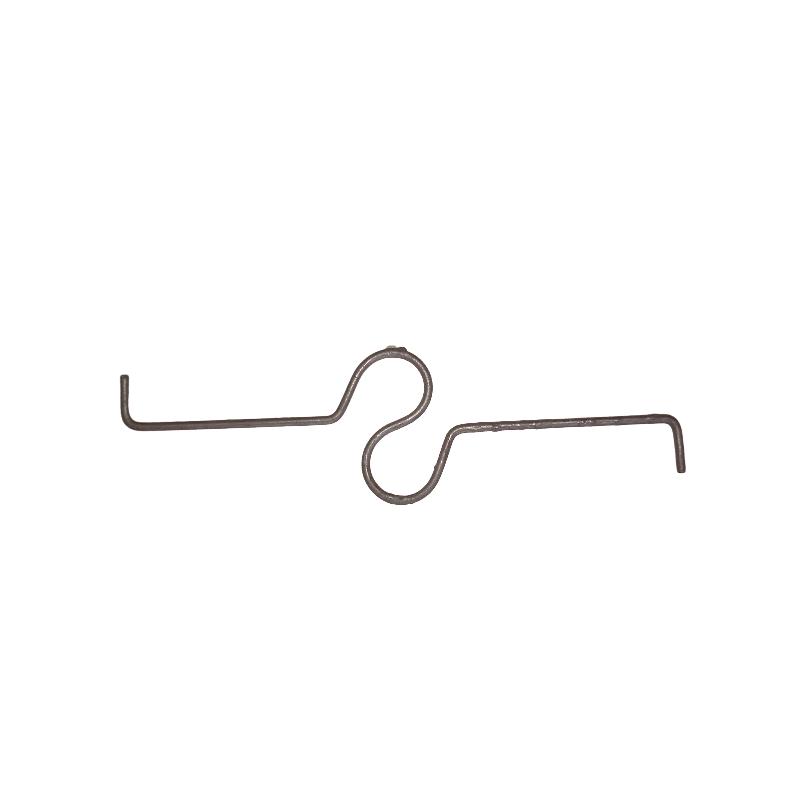
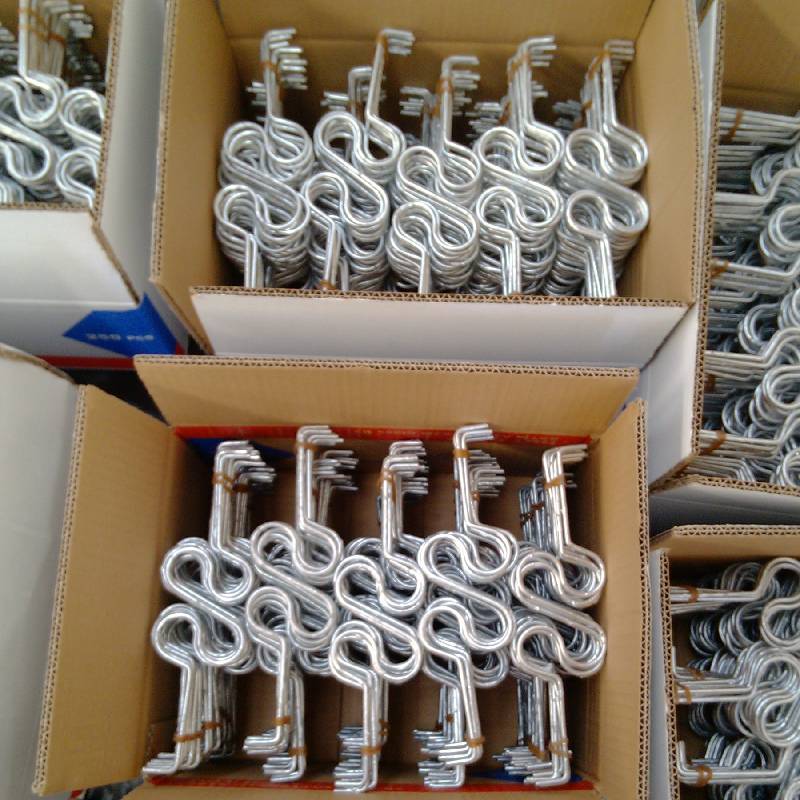
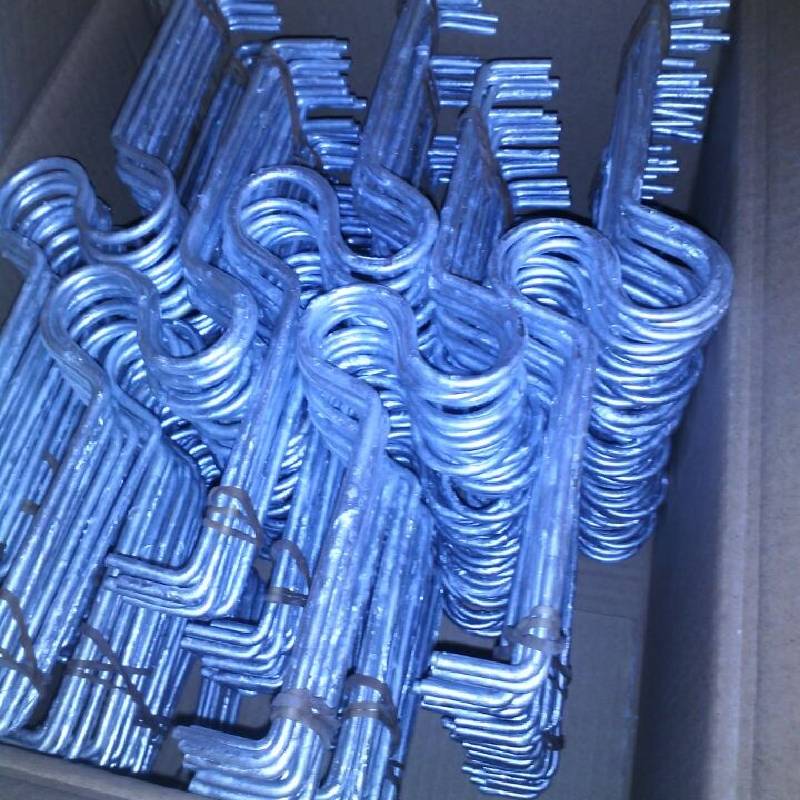
2. Install Rebar Positioners: Rebar Positioners are installed on the surface of the concrete block, ensuring that the Z&S-shaped metal wire spans the cell of the concrete block and that the bent portion rests on the shell of the concrete block.
3. Position the reinforcement bar: The reinforcement bar is placed on the Rebar Positioners to ensure close contact between the reinforcement bar and the Rebar Positioners to ensure the accurate position of the reinforcement bar.
4. Secure the reinforcement bar: Using appropriate tools, such as wire or nails, secure the reinforcement bar to the Rebar Positioners to prevent movement of the reinforcement bar during concrete pouring.
The production process of Rebar Positioners typically involves bending and forming high-strength metal wires, such as steel or stainless steel wires, into a Z-shaped shape. Then, Rebar Positioners can be galvanized or otherwise surface treated to improve their corrosion resistance and service life.
Product Application Scenarios
Rebar Positioners are widely used in the construction industry, especially in the construction of concrete structures. They can be used to position reinforcement bars to ensure the strength and stability of concrete structures. Rebar Positioners are often used in the construction of walls, columns, beams and other concrete structures.
Product Price Advantage
Rebar Positioners are relatively inexpensive and are an economical solution for reinforcement bar positioning. Their simple design and manufacturing process result in lower production costs, providing users with competitive prices.
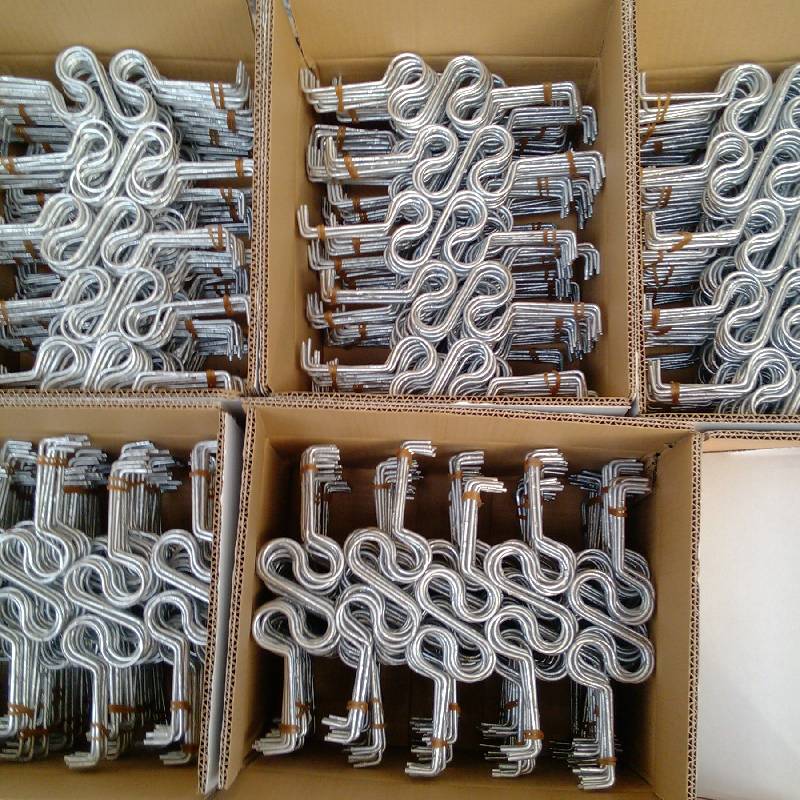
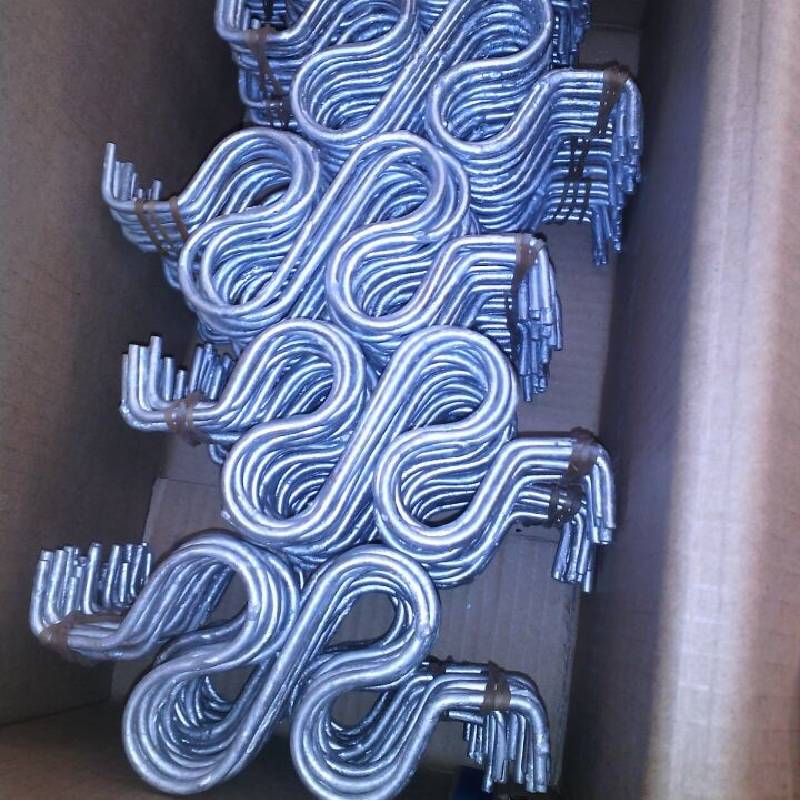
Choosing the Right Rebar Positioners for Your Construction Project
Selecting the appropriate Rebar Positioners is crucial for ensuring the structural integrity, efficiency, and longevity of concrete construction projects. These devices are specifically designed to maintain the correct alignment and spacing of steel reinforcement bars within concrete structures. Properly chosen rebar positioners help prevent structural weaknesses, reduce construction errors, and save both time and labor, making them essential for modern industrial, commercial, and residential projects.
Understanding the Function of Rebar Positioners
Rebar Positioners are used to securely hold reinforcement bars in their designated positions before and during the concrete pouring process. They ensure that the steel bars remain correctly spaced and aligned, which is vital for the structural strength of slabs, beams, columns, and walls. Using high-quality positioners prevents the steel from shifting during construction, avoiding potential weak points or uneven load distribution that could compromise safety and performance.
Factors to Consider When Choosing Rebar Positioners
When selecting the right Rebar Positioners, several factors must be considered. First, the diameter and type of reinforcement bars being used influence the size and design of the positioner. Second, the thickness of the concrete cover is critical to ensure proper protection of steel bars against corrosion and environmental damage. Third, the type of construction—whether industrial, commercial, or residential—affects the spacing, load requirements, and durability expectations of the positioners. Additionally, consider the material of the positioners; durable options such as high-quality plastic, nylon, or galvanized steel provide long-lasting performance and resistance to environmental stresses.
Types of Rebar Positioners
Rebar positioners come in various designs, including clip-on, chair-type, and spacer-based models. Clip-on positioners are ideal for maintaining precise vertical and horizontal alignment in tight spaces. Chair-type positioners elevate rebar off the ground, ensuring consistent concrete cover and reducing the risk of corrosion. Spacer-based positioners are simple yet effective for repetitive applications in large-scale projects. Choosing the appropriate type depends on the structural requirements, bar size, and ease of installation needed for your specific project.
Benefits of Using the Right Rebar Positioners
Correctly selected Rebar Positioners offer multiple advantages. They enhance structural stability by keeping reinforcement bars in their intended positions, improve construction efficiency by simplifying installation, and reduce labor costs by minimizing adjustments and errors. Additionally, they protect the steel from direct contact with soil or formwork, ensuring proper concrete coverage and long-term durability. These benefits contribute to a safer, more reliable, and cost-effective construction process.
Conclusion
Choosing the right Rebar Positioners is a critical step in any concrete construction project. By considering factors such as bar size, concrete cover, construction type, and material quality, engineers and contractors can select positioners that ensure precise alignment, structural stability, and long-lasting performance. Investing in the correct rebar positioners not only improves efficiency and safety but also enhances the overall quality and durability of the building, making them indispensable for successful modern construction projects.
Rebar Positioners Performance in High-Load and Industrial Applications
In high-load and industrial construction projects, maintaining the correct alignment and positioning of reinforcement bars is critical to ensure structural integrity and safety. Rebar Positioners are essential tools that provide reliable support and precise placement of steel reinforcement within concrete structures, even under challenging conditions. Their performance in high-load environments directly impacts the durability, strength, and long-term functionality of industrial facilities, bridges, warehouses, and other large-scale projects.
Ensuring Structural Stability in Industrial Projects
One of the key benefits of using Rebar Positioners in industrial applications is their ability to maintain structural stability. In high-load projects, concrete elements such as slabs, beams, and columns are subjected to significant stress during pouring and curing. Rebar positioners prevent the steel reinforcement from shifting or sagging, ensuring that the designed spacing and alignment are maintained. This stability is vital for achieving uniform load distribution, minimizing weak points, and preventing structural failures over the life of the building.
Durable Materials for High-Load Conditions
High-quality Rebar Positioners are typically manufactured from robust materials such as reinforced plastic, nylon, or galvanized steel. These materials are specifically chosen to withstand heavy loads and repeated pressure without deforming or breaking. In industrial applications, where vibration, impact, and dynamic forces are common, the durability of rebar positioners ensures that reinforcement bars remain securely in place throughout the concrete pour, curing, and operational life of the structure.
Versatility Across Industrial Applications
Rebar Positioners are versatile and can be used in a wide range of industrial construction settings. They are suitable for thick slabs, large foundations, bridge decks, heavy-duty floors, and multi-story industrial buildings. Different designs, including chair-type, clip-on, and spacer-based positioners, accommodate various rebar diameters and arrangements. This adaptability allows engineers to implement precise reinforcement placement across diverse industrial projects, ensuring structural integrity and compliance with design specifications.
Enhancing Installation Efficiency
In addition to supporting high-load structures, Rebar Positioners improve installation efficiency. Their straightforward design allows for quick and secure placement of reinforcement bars, reducing labor time and minimizing the risk of errors. In industrial projects with large-scale concrete pours, this efficiency is particularly valuable, allowing contractors to maintain tight schedules while ensuring quality and safety standards are met.
Long-Term Performance and Reliability
The use of Rebar Positioners in industrial applications contributes to the long-term durability of concrete structures. By maintaining proper rebar placement, they ensure consistent concrete cover, reducing exposure to moisture and environmental factors that can cause corrosion. This reliable performance extends the lifespan of industrial facilities, reduces maintenance costs, and enhances overall safety and structural resilience.
Conclusion
Rebar Positioners are indispensable for high-load and industrial construction projects. Their performance ensures precise rebar alignment, structural stability, durability, and long-term reliability. By choosing high-quality positioners, engineers and contractors can achieve safe, efficient, and durable reinforcement placement, supporting the success of large-scale industrial facilities and infrastructure projects for decades to come.
Top Reasons to Use Rebar Positioners in Concrete Projects
In concrete construction, ensuring the precise placement and alignment of reinforcement bars is critical for structural integrity, safety, and durability. Rebar Positioners are essential tools that provide reliable support and accurate positioning of steel reinforcement within slabs, beams, columns, and walls. Their use in concrete projects offers multiple advantages, making them indispensable for both industrial and commercial construction.
1.Ensures Accurate Rebar Placement
One of the primary reasons to use Rebar Positioners is to maintain precise spacing and alignment of reinforcement bars. Proper rebar placement is vital for achieving the designed structural strength and load-bearing capacity of concrete elements. Positioners prevent steel bars from shifting or sinking during concrete pouring, ensuring that the reinforcement layout meets engineering specifications and design requirements.
2. Enhances Structural Stability
Rebar Positioners contribute significantly to the overall stability of concrete structures. By securely holding reinforcement bars in their intended positions, they prevent movement that could lead to uneven load distribution, weak points, or structural defects. This stability is particularly important in high-load areas such as industrial floors, bridges, and multi-story buildings, where structural reliability is critical.
3. Saves Time and Labor Costs
Using Rebar Positioners streamlines the construction process, reducing installation time and labor requirements. Traditional methods, such as manually tying or adjusting rebar during concrete pouring, can be time-consuming and prone to errors. Positioners simplify this process, allowing workers to place and secure steel reinforcement quickly and accurately, resulting in faster project completion and cost savings.
4. Suitable for Various Construction Applications
Rebar Positioners are versatile and can be used in a wide range of concrete projects. They are effective in slabs, foundations, columns, beams, and walls, accommodating different bar sizes and configurations. This versatility makes them suitable for industrial facilities, commercial buildings, residential complexes, and infrastructure projects, providing consistent performance across diverse applications.
5. Improves Long-Term Durability
Properly positioned reinforcement bars ensure that concrete covers the steel adequately, protecting it from corrosion and environmental damage. Rebar Positioners help maintain the correct cover depth, reducing the risk of exposed steel, rusting, and structural deterioration over time. By enhancing durability, positioners contribute to the longevity and safety of concrete structures, minimizing maintenance and repair costs.
6. Supports Compliance with Building Codes and Standards
Many construction codes and engineering standards require precise rebar placement and adequate concrete cover. Rebar Positioners make it easier to comply with these regulations, ensuring that concrete projects meet quality, safety, and performance standards. This reduces the risk of non-compliance, inspection failures, and potential legal or structural issues.
Conclusion
The use of Rebar Positioners in concrete projects offers numerous benefits, including accurate rebar placement, enhanced structural stability, labor and time savings, versatility, improved durability, and compliance with building standards. By incorporating high-quality positioners into construction practices, engineers and contractors can achieve safer, more reliable, and long-lasting concrete structures, making them an indispensable component in modern construction projects.
dw 10hs veneer anchors
frame ties for brickwork
masonry rebar positioners
masonry wire ties
rebar positioners
reinforcing bar positioners
stone veneer ties
what are concrete accessories