
- Mobile Phone
- +8613931874955
- sales@cntcmetal.com
Hi Rib Metal Lath | Galvanized for Superior Strength & Key
The Advanced Engineering of Hi Rib Metal Lath
In contemporary construction, efficiency, structural integrity, and long-term durability are paramount. The demand for innovative materials that can meet these stringent requirements has led to the widespread adoption of advanced solutions such as the hi rib metal lath. This specialized expanded metal product serves as an exceptional permanent formwork, significantly streamlining construction processes while enhancing the performance of concrete structures. Manufactured from galvanized steel, it offers an optimal balance of strength, flexibility, and corrosion resistance, making it an indispensable component in a diverse array of B2B applications, from civil engineering to complex infrastructure projects. Its unique ribbed profile is engineered to provide superior mechanical keying with concrete, ensuring monolithic construction and reducing the need for traditional, temporary formwork.
The strategic design of hi rib metal lath optimizes concrete pour management, minimizes spillage, and simplifies rebar placement. This article delves into the intricate manufacturing processes, technical specifications, diverse application scenarios, and the compelling advantages that position this material as a cornerstone in modern, high-performance construction.
Manufacturing Process: From Coil to Corrugated Mesh
The production of hi rib metal lath is a meticulously controlled industrial process, ensuring consistent quality and performance. It typically begins with high-grade galvanized steel coils, conforming to international standards such as ASTM A653 for hot-dip galvanized steel or EN 10346 for continuously hot-dip coated steel flat products. These standards guarantee the material's metallurgical composition, coating thickness, and corrosion resistance properties, which are critical for the product's longevity.
Key Process Steps:
- Material Uncoiling & Preparation: Large rolls of galvanized steel coil are loaded onto uncoilers. The steel is then fed through a leveling machine to ensure flatness and consistency, preparing it for subsequent processing.
- Slitting: The wide galvanized steel coil is precisely slit into narrower strips, matching the required width for the final rib lath sheet. This process requires high-precision machinery to minimize material waste and ensure dimensional accuracy.
- Expanding & Punching: This is the core of the manufacturing process. The slit steel strips undergo a specialized cold-forming operation using a series of dies and punches. The metal is simultaneously cut and stretched, creating the characteristic diamond-shaped mesh pattern and forming the longitudinal ribs. This process, often automated via CNC machining, ensures uniform mesh aperture and rib height (e.g., 3/8 inch for 3 8 rib lath), which are crucial for optimal concrete bond and structural stability.
- Rib Profiling: During or immediately after the expanding process, the distinct "V" or "U" shaped ribs are formed along the length of the mesh. These ribs provide the stiffness and structural integrity that allow the hi rib mesh to act as a permanent formwork without significant deformation during concrete pouring. The rib height and spacing are critical engineering parameters.
- Cutting to Length: The continuous rib lath mesh is then cut to specific standard lengths (e.g., 2.5m, 3.0m) or custom lengths as per client specifications, typically using automated shear machines.
- Quality Control & Testing: Throughout the production cycle, rigorous quality control measures are implemented. This includes visual inspections, dimensional checks (width, length, rib height, mesh aperture), and material thickness verification. Finished products are often tested to conform to relevant ISO 9001 quality management standards and specific product standards like those set by ASTM or BS EN. These tests ensure the product’s service life, which typically ranges from 50 to 100 years, depending on the environment and specific galvanization grade.
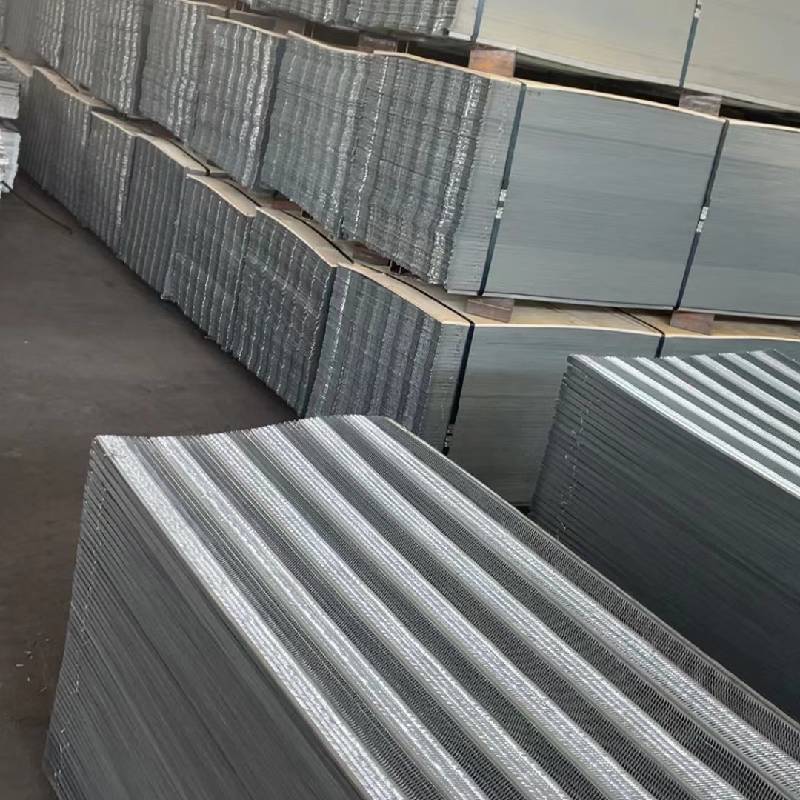
Schematic representation of hi rib metal lath manufacturing.
Target Industries & Advantages:
The meticulously engineered galvanised rib lath finds extensive application in target industries such as petrochemical, metallurgy, civil engineering, water supply & drainage, and general building construction. Its primary advantages include energy saving through reduced concrete wastage, superior corrosion resistance due to the galvanization, and significant improvements in construction speed and labor efficiency. The design inherently promotes a strong mechanical bond with concrete, acting as a shear key and reducing the likelihood of cracking.
Technical Specifications and Parameters
Understanding the precise technical specifications of hi rib metal lath is crucial for engineers and procurement specialists to ensure optimal performance and compliance with project requirements. The structural integrity and functional attributes of the material are defined by a series of key parameters.
Product Specification Table: Galvanized Hi Rib Metal Lath (Typical Values)
| Parameter | Typical Value / Range | Standard (Example) |
|---|---|---|
| Material | Hot-dip Galvanized Steel (G90 / Z275 coating) | ASTM A653 / EN 10346 |
| Steel Thickness (Gauge) | 0.30mm - 0.60mm (29-24 Gauge) | Manufacturer Specific |
| Rib Height | 10mm - 19mm (3/8" - 3/4") | Manufacturer Specific (e.g., for 3 8 rib lath) |
| Sheet Width | 450mm - 600mm | Industry Standard |
| Sheet Length | 2000mm - 3000mm (Custom lengths available) | Industry Standard |
| Mesh Type / Aperture | Diamond pattern, varies by product line | Manufacturer Specific |
| Weight (per m²) | 1.5 kg/m² - 2.5 kg/m² | Calculated |
| Fire Rating | Non-combustible (Class A1) | EN 13501-1 |
The galvanization process is critical for the long-term performance of the galvanized rib lath. A typical G90 (Z275) coating provides 275 g/m² of zinc, offering robust protection against rust and environmental degradation. The precise geometry of the ribs and mesh apertures in the rib lath mesh is engineered to maximize the mechanical bond with wet concrete. The openings allow for proper aggregate interlock, while the ribs resist lateral pressure during pouring and curing, contributing to the overall strength of the finished concrete element.
Variants like flat rib lath are also available for specific applications where minimal projection is required, while still providing enhanced concrete adhesion compared to plain surfaces. Each variant of hy rib mesh is designed to optimize performance for distinct construction challenges.
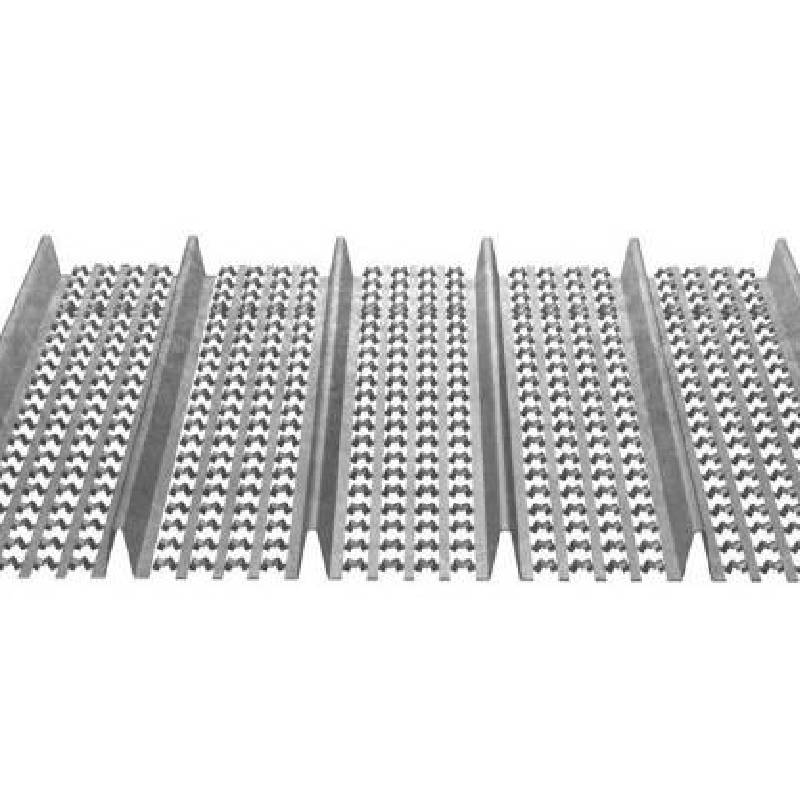
Detailed view of rib lath mesh structure and galvanization.
Industry Trends & Innovation in Permanent Formwork
The construction industry is constantly evolving, driven by demands for increased efficiency, sustainability, and resilience. Hi rib metal lath, and permanent formwork solutions in general, are at the forefront of these innovations, adapting to new construction paradigms and material science advancements.
Key Trends Shaping the Future:
- Sustainable Construction Practices: There is a growing emphasis on reducing waste and minimizing the environmental impact of construction projects. Hi rib metal lath contributes significantly to this by reducing timber formwork waste, minimizing concrete over-pour, and utilizing recyclable materials. The optimization of material usage directly aligns with green building initiatives.
- Accelerated Project Delivery: Time is a critical factor in large-scale construction. Permanent formwork systems like rib lath drastically cut down on labor-intensive formwork erection, striking, and removal processes. This acceleration in construction timelines translates to cost savings and faster project completion, a major draw for B2B clients.
- Enhanced Durability and Resilience: Modern structures demand longer service lives and greater resistance to harsh environmental conditions. Innovations in galvanization technology and material alloys (e.g., high-strength steel for hy rib mesh) are continuously improving the corrosion resistance and overall durability of metal lath products, especially in aggressive marine or industrial environments.
- Integration with Digital Construction: Building Information Modeling (BIM) and digital design tools are increasingly incorporating detailed specifications for products like galvanised rib lath. This integration allows for precise planning, clash detection, and optimized material ordering, further enhancing project efficiency.
- Customization and Adaptability: As architectural designs become more complex, the demand for adaptable building materials rises. Manufacturers are offering more customized solutions for rib lath sheet, including specific sizes, rib profiles, and material grades to meet unique project challenges, ensuring seamless integration into intricate structural designs.
These trends underscore the importance of robust, efficient, and sustainable materials. The continuous innovation in the manufacturing and application of hi rib metal lath ensures its relevance and value in an ever-evolving construction landscape, addressing both immediate project needs and long-term structural performance goals.
Application Scenarios & Real-World Case Studies
The versatility of hi rib metal lath makes it suitable for a vast array of construction applications, providing significant advantages in diverse engineering contexts. Its application as permanent formwork enhances both the construction process and the long-term performance of the structure.
Typical Application Scenarios:
- Concrete Slab Reinforcement: Used extensively as permanent formwork for concrete slabs, infill panels, and composite floor systems. The rib lath eliminates the need for removal, saving time and labor, while providing an excellent key for subsequent concrete pours or finishes.
- Bridge Deck Construction: Crucial for forming bridge decks, particularly in areas where access for temporary formwork removal is challenging. The galvanized rib lath provides a robust, lightweight base for concrete pouring, contributing to the structural integrity of the deck.
- Tunnel Linings & Underground Structures: In tunneling, where space and access are restricted, hy rib mesh acts as an efficient and safe permanent formwork, minimizing excavation overbreak and providing immediate support for freshly sprayed concrete (shotcrete).
- Retaining Walls & Marine Structures: Its corrosion-resistant properties make it ideal for forming retaining walls, sea defenses, and other structures exposed to aggressive environments. The open mesh allows hydrostatic pressure to dissipate while the concrete cures, preventing blowouts.
- Column and Beam Encasement: Used to form concrete encasements around structural steel columns and beams, providing fire protection and increased load-bearing capacity. The flexibility of rib lath mesh allows for forming around various shapes.
- Joints in Concrete Pours: Acts as an effective stop end for concrete pours, eliminating the need for removal and creating a strong, keyed joint for subsequent pours. This is particularly useful for large-scale concrete elements.
Application Case Study Example: Highway Overpass Deck Replacement
A major infrastructure project involving the replacement of a highway overpass deck required a solution that would minimize traffic disruption and accelerate construction. Traditional timber formwork would have necessitated extensive scaffolding and prolonged lane closures. By utilizing hi rib metal lath as permanent formwork, the construction team significantly reduced the installation time for the deck slab. The lightweight nature of the rib lath sheet meant fewer lifting operations, and its ability to stay in place eliminated the labor-intensive stripping process. The diamond mesh structure provided an excellent mechanical key for the concrete, ensuring a monolithic bond and enhanced structural performance. The project was completed 20% ahead of schedule, demonstrating substantial cost savings in labor and equipment, alongside reduced inconvenience to commuters. Customer feedback highlighted the ease of handling and installation of the galvanised rib lath, contributing to improved on-site productivity and safety.
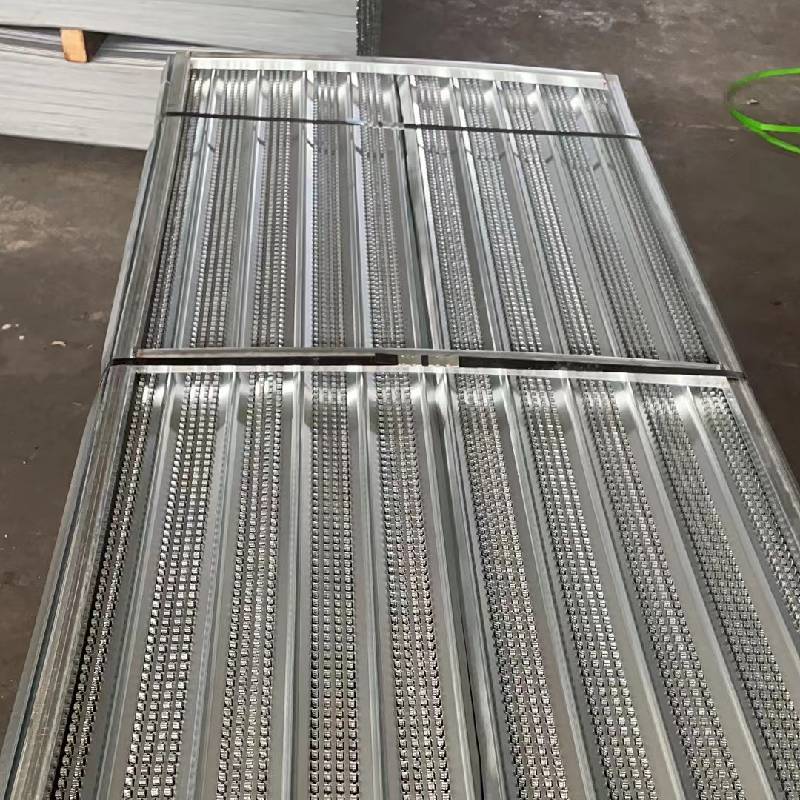
Hi rib metal lath applied in an infrastructure project.
Technical Advantages & Performance Excellence
The adoption of hi rib metal lath is driven by a compelling suite of technical advantages that address critical challenges in modern construction, leading to superior structural performance and operational efficiencies.
Key Performance Benefits:
- Exceptional Concrete Bond: The unique combination of an expanded mesh and pronounced longitudinal ribs creates an unparalleled mechanical keying surface. This results in an integral bond with the concrete, preventing cold joints and ensuring that the hi rib metal lath becomes a permanent, load-sharing component of the structure. This is superior to traditional flat formwork, which provides no such bond.
- Reduced Construction Time and Labor Costs: As a permanent formwork, it eliminates the need for stripping and cleaning. This significantly reduces on-site labor requirements, cuts down on construction time, and accelerates project completion, providing substantial economic benefits. The simplicity of installation for rib lath mesh further contributes to these savings.
- Minimized Concrete Leakage and Wastage: The controlled porosity of the rib lath allows bleed water to pass through while retaining concrete fines, minimizing grout leakage. This leads to more efficient use of concrete, reducing material costs and ensuring a denser, higher-quality concrete finish.
- Superior Corrosion Resistance: Fabricated from high-quality hot-dip galvanized rib lath, the product offers excellent resistance to rust and environmental degradation. This is particularly vital in aggressive environments such as coastal areas, industrial zones, or structures exposed to moisture, ensuring a longer service life for the concrete element.
- Enhanced Fire Resistance: Steel is inherently non-combustible. When encapsulated within concrete, hi rib metal lath contributes to the overall fire rating of the structure, providing an additional layer of safety and compliance with building codes.
- Versatility and Adaptability: The material can be easily cut and bent on-site to accommodate complex geometries, curves, and irregular shapes, offering design flexibility that traditional formwork cannot match. This adaptability extends to products like flat rib lath, which can be used for specific low-profile applications.
- Lightweight and Easy Handling: Despite its strength, rib lath sheet is lightweight, making it easier and safer to transport, handle, and install compared to heavy, rigid formwork systems. This reduces worker fatigue and potential injuries.
These combined advantages underscore why hi rib metal lath is increasingly specified for projects demanding high performance, rapid construction, and long-term durability, setting a benchmark for modern permanent formwork solutions.
Vendor Comparison & Customized Solutions
Selecting the right supplier for hi rib metal lath is as critical as the product itself. B2B decision-makers must evaluate vendors not just on price, but on a comprehensive set of criteria that encompass product quality, technical expertise, customization capabilities, and post-sales support.
Key Factors for Vendor Evaluation:
- Quality & Compliance: Verifiable certifications (e.g., ISO 9001), adherence to international standards (ASTM, BS EN), and consistent material quality (e.g., uniform galvanization for galvanized rib lath).
- Manufacturing Precision: The accuracy of rib height, sheet dimensions, and mesh aperture. This directly impacts the performance of the rib lath mesh as permanent formwork.
- Experience & Reputation: Years in the industry, portfolio of successful projects, and positive client testimonials. A vendor's history reflects their reliability.
- Technical Support: Availability of engineering support, installation guides, and expertise to resolve on-site challenges.
- Lead Time & Logistics: Efficient production schedules, reliable supply chain, and ability to meet project deadlines.
Vendor Comparison Table (Illustrative)
| Feature/Criterion | Vendor A (Example) | Vendor B (Example) |
|---|---|---|
| Material Origin & Standards | EU/US Steel, ASTM A653, ISO 9001 | Asian Steel, EN 10346, Local Cert. |
| Available Rib Heights (for rib lath) | 10mm, 16mm, 19mm (3/8", 5/8", 3/4") | 10mm, 15mm (3/8", ~1/2") |
| Custom Lengths/Widths | Yes, with MOQ | Limited, standard sizes only |
| Galvanization Coating (Zinc g/m²) | Z275 (275 g/m²) as standard | Z180 (180 g/m²) standard |
| Technical Engineering Support | Full design and installation consultation | Basic product data sheets |
Customized Solutions for Unique Project Needs:
Leading manufacturers understand that not all projects fit a standard mold. For complex or specialized applications, customized hi rib metal lath solutions are often necessary. This can include:
- Specific Dimensions: Tailoring sheet widths and lengths to reduce on-site cutting and waste, optimizing fit for unique structural elements.
- Custom Rib Profiles: Developing unique rib heights or spacing for enhanced concrete interaction in particular load-bearing or aesthetic applications.
- Material Grade Selection: Offering alternatives to galvanized steel, such as stainless steel rib lath for extremely corrosive environments or specific architectural requirements, where standard galvanized rib lath might not suffice.
- Pre-fabricated Shapes: Supplying pre-cut or pre-formed hy rib mesh sections for intricate corners, curves, or penetrations, further accelerating on-site installation.
Various customized forms of hi rib metal lath for diverse applications.
Partnering with a vendor capable of providing comprehensive customized solutions ensures that projects benefit from optimized material usage, reduced site modifications, and enhanced structural performance.
Ensuring Trustworthiness: FAQ, Lead Time, Warranty & Support
Establishing trust with B2B clients requires transparency, clear commitments, and robust support systems. Our approach to manufacturing and client relations centers on these principles, ensuring confidence in every order of hi rib metal lath.
Frequently Asked Questions (FAQ):
- Q: What is hi rib metal lath primarily used for?
- A: It is predominantly used as a permanent formwork for concrete in various structural applications, including slabs, beams, columns, bridge decks, tunnels, and retaining walls. Its unique structure facilitates strong mechanical keying with concrete.
- Q: What are the main benefits of using galvanized rib lath over traditional formwork?
- A: Key benefits include reduced construction time and labor costs (no stripping required), excellent concrete bond, minimal concrete leakage, superior corrosion resistance (due to galvanization), and enhanced fire protection for the structure.
- Q: Can hi rib metal lath be cut and shaped on-site?
- A: Yes, it is designed for ease of handling and can be readily cut with metal shears or angle grinders, and shaped to accommodate various architectural and structural details on-site.
- Q: What is the expected service life of rib lath products?
- A: With proper installation and adequate concrete cover, the galvanized steel ensures a long service life, typically ranging from 50 to 100 years, depending on the environment and the galvanization thickness.
- Q: Are there different types of rib lath sheet available?
- A: Yes, various types exist, including different rib heights (e.g., 3 8 rib lath), mesh configurations, and material gauges. We also offer specialized options like flat rib lath or customized solutions to meet specific project needs.
Lead Time and Fulfillment:
We maintain efficient production lines and robust inventory management to ensure timely delivery. Standard orders for hi rib metal lath typically have a lead time of 2-4 weeks from order confirmation, depending on volume and current production schedules. For customized solutions or large-scale projects, we provide detailed project-specific timelines. Our logistics team works with trusted carriers to ensure secure and on-schedule delivery worldwide, capable of handling both domestic and international shipments with full documentation.
Warranty Commitments:
All our hy rib mesh products, including hi rib metal lath, are backed by a comprehensive product warranty covering manufacturing defects and material integrity. We guarantee that our products meet or exceed specified industry standards (e.g., ASTM, EN) and are fit for their intended purpose when installed correctly. Specific warranty details and durations are provided with each order, underscoring our commitment to quality and client satisfaction.
Customer Support & Technical Assistance:
Our dedicated technical support team is available to assist clients from project conception through completion. This includes:
- Pre-sales consultation and product selection guidance.
- Detailed technical data sheets and installation instructions.
- On-site technical visits for large or complex projects (by arrangement).
- After-sales support for any queries or concerns regarding product performance or application.
We are committed to building long-term partnerships based on reliability, quality, and unparalleled customer service. For inquiries, please reach out via our contact page on cntcmetal.com.
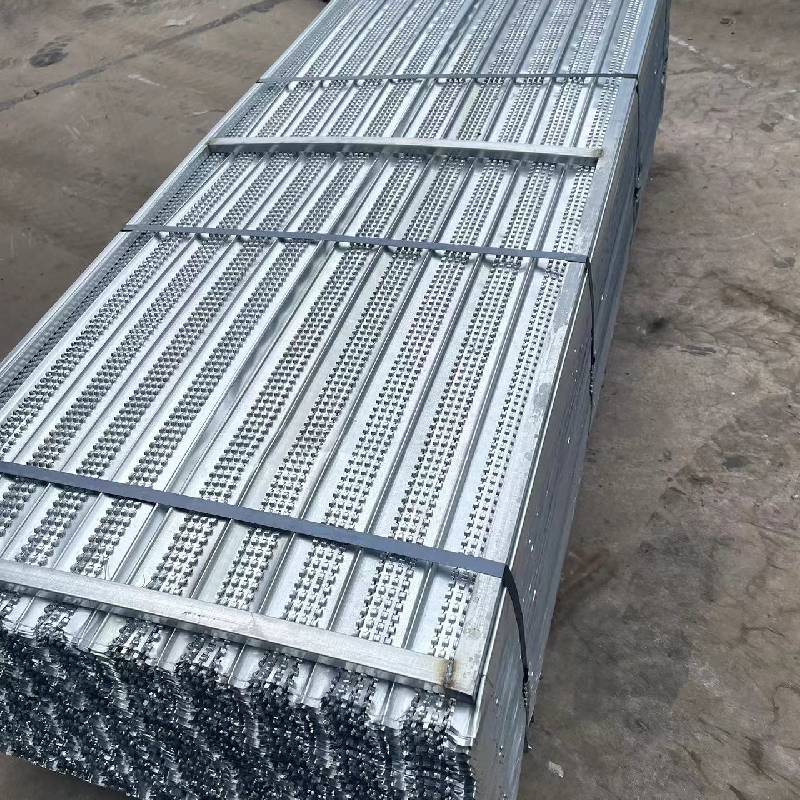
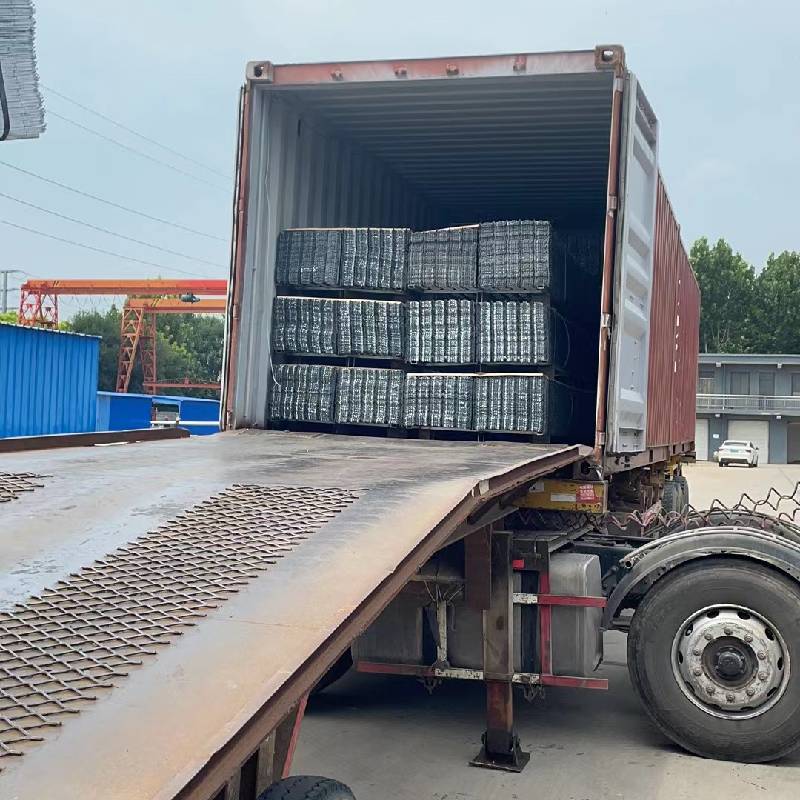
Packaging of hi rib metal lath for secure transport.
Conclusion
The strategic deployment of hi rib metal lath represents a significant advancement in construction methodology, offering a robust, efficient, and cost-effective permanent formwork solution. Its meticulously engineered profile, coupled with the inherent advantages of galvanized steel, ensures superior concrete bond, enhanced durability, and expedited project timelines. From major infrastructure projects to intricate architectural designs, the versatility of rib lath makes it an indispensable component for B2B stakeholders seeking to optimize performance and reduce operational complexities. As the industry continues to push for sustainable and high-performing building practices, solutions like galvanized rib lath will remain central to delivering structures that stand the test of time.
We invite you to explore the full potential of our hi rib metal lath products and discuss how our customized solutions can integrate seamlessly into your next project, delivering tangible value and long-term structural integrity. Contact us today for detailed specifications, project consultations, or to request a quote tailored to your specific requirements.
References
- American Society for Testing and Materials (ASTM) Standards. "ASTM A653/A653M - Standard Specification for Steel Sheet, Zinc-Coated (Galvanized) or Zinc-Iron Alloy-Coated (Galvannealed) by the Hot-Dip Process."
- British Standards Institution (BSI). "BS EN 10346:2015 - Continuously hot-dip coated steel flat products for cold forming – Technical delivery conditions."
- International Organization for Standardization (ISO). "ISO 9001:2015 - Quality management systems – Requirements."
- European Committee for Standardization (CEN). "EN 13501-1:2007+A1:2009 - Fire classification of construction products and building elements – Part 1: Classification using data from reaction to fire tests."
- Concrete Centre. "Permanent Formwork for Concrete Structures." Industry technical guidance.
share:
-
Factors Influencing Hexagonal Wire Mesh Price and Buyer GuideNewsApr.16,2026
-
Understanding the Price of Chicken Mesh and Buying GuideNewsApr.09,2026
-
Comprehensive Guide to Understanding and Optimizing Poultry Net Price StrategiesNewsApr.07,2026
-
Understanding Hen Net Price for Optimal International Metal TradingNewsApr.04,2026
-
Comprehensive Guide to Chicken Wire Fence Price and Installation CostsNewsMar.31,2026
-
Comprehensive Guide to Chicken Netting Price Factors and OptionsNewsMar.28,2026
-
Comprehensive Guide to Chicken Net Fence Price and Optimal SelectionNewsMar.26,2026
Hi Rib Metal Lath | Galvanized for Superior Strength & Key
The Advanced Engineering of Hi Rib Metal Lath
In contemporary construction, efficiency, structural integrity, and long-term durability are paramount. The demand for innovative materials that can meet these stringent requirements has led to the widespread adoption of advanced solutions such as the hi rib metal lath. This specialized expanded metal product serves as an exceptional permanent formwork, significantly streamlining construction processes while enhancing the performance of concrete structures. Manufactured from galvanized steel, it offers an optimal balance of strength, flexibility, and corrosion resistance, making it an indispensable component in a diverse array of B2B applications, from civil engineering to complex infrastructure projects. Its unique ribbed profile is engineered to provide superior mechanical keying with concrete, ensuring monolithic construction and reducing the need for traditional, temporary formwork.
The strategic design of hi rib metal lath optimizes concrete pour management, minimizes spillage, and simplifies rebar placement. This article delves into the intricate manufacturing processes, technical specifications, diverse application scenarios, and the compelling advantages that position this material as a cornerstone in modern, high-performance construction.
Manufacturing Process: From Coil to Corrugated Mesh
The production of hi rib metal lath is a meticulously controlled industrial process, ensuring consistent quality and performance. It typically begins with high-grade galvanized steel coils, conforming to international standards such as ASTM A653 for hot-dip galvanized steel or EN 10346 for continuously hot-dip coated steel flat products. These standards guarantee the material's metallurgical composition, coating thickness, and corrosion resistance properties, which are critical for the product's longevity.
Key Process Steps:
- Material Uncoiling & Preparation: Large rolls of galvanized steel coil are loaded onto uncoilers. The steel is then fed through a leveling machine to ensure flatness and consistency, preparing it for subsequent processing.
- Slitting: The wide galvanized steel coil is precisely slit into narrower strips, matching the required width for the final rib lath sheet. This process requires high-precision machinery to minimize material waste and ensure dimensional accuracy.
- Expanding & Punching: This is the core of the manufacturing process. The slit steel strips undergo a specialized cold-forming operation using a series of dies and punches. The metal is simultaneously cut and stretched, creating the characteristic diamond-shaped mesh pattern and forming the longitudinal ribs. This process, often automated via CNC machining, ensures uniform mesh aperture and rib height (e.g., 3/8 inch for 3 8 rib lath), which are crucial for optimal concrete bond and structural stability.
- Rib Profiling: During or immediately after the expanding process, the distinct "V" or "U" shaped ribs are formed along the length of the mesh. These ribs provide the stiffness and structural integrity that allow the hi rib mesh to act as a permanent formwork without significant deformation during concrete pouring. The rib height and spacing are critical engineering parameters.
- Cutting to Length: The continuous rib lath mesh is then cut to specific standard lengths (e.g., 2.5m, 3.0m) or custom lengths as per client specifications, typically using automated shear machines.
- Quality Control & Testing: Throughout the production cycle, rigorous quality control measures are implemented. This includes visual inspections, dimensional checks (width, length, rib height, mesh aperture), and material thickness verification. Finished products are often tested to conform to relevant ISO 9001 quality management standards and specific product standards like those set by ASTM or BS EN. These tests ensure the product’s service life, which typically ranges from 50 to 100 years, depending on the environment and specific galvanization grade.
Schematic representation of hi rib metal lath manufacturing.
Target Industries & Advantages:
The meticulously engineered galvanised rib lath finds extensive application in target industries such as petrochemical, metallurgy, civil engineering, water supply & drainage, and general building construction. Its primary advantages include energy saving through reduced concrete wastage, superior corrosion resistance due to the galvanization, and significant improvements in construction speed and labor efficiency. The design inherently promotes a strong mechanical bond with concrete, acting as a shear key and reducing the likelihood of cracking.
Technical Specifications and Parameters
Understanding the precise technical specifications of hi rib metal lath is crucial for engineers and procurement specialists to ensure optimal performance and compliance with project requirements. The structural integrity and functional attributes of the material are defined by a series of key parameters.
Product Specification Table: Galvanized Hi Rib Metal Lath (Typical Values)
| Parameter | Typical Value / Range | Standard (Example) |
|---|---|---|
| Material | Hot-dip Galvanized Steel (G90 / Z275 coating) | ASTM A653 / EN 10346 |
| Steel Thickness (Gauge) | 0.30mm - 0.60mm (29-24 Gauge) | Manufacturer Specific |
| Rib Height | 10mm - 19mm (3/8" - 3/4") | Manufacturer Specific (e.g., for 3 8 rib lath) |
| Sheet Width | 450mm - 600mm | Industry Standard |
| Sheet Length | 2000mm - 3000mm (Custom lengths available) | Industry Standard |
| Mesh Type / Aperture | Diamond pattern, varies by product line | Manufacturer Specific |
| Weight (per m²) | 1.5 kg/m² - 2.5 kg/m² | Calculated |
| Fire Rating | Non-combustible (Class A1) | EN 13501-1 |
The galvanization process is critical for the long-term performance of the galvanized rib lath. A typical G90 (Z275) coating provides 275 g/m² of zinc, offering robust protection against rust and environmental degradation. The precise geometry of the ribs and mesh apertures in the rib lath mesh is engineered to maximize the mechanical bond with wet concrete. The openings allow for proper aggregate interlock, while the ribs resist lateral pressure during pouring and curing, contributing to the overall strength of the finished concrete element.
Variants like flat rib lath are also available for specific applications where minimal projection is required, while still providing enhanced concrete adhesion compared to plain surfaces. Each variant of hy rib mesh is designed to optimize performance for distinct construction challenges.
Detailed view of rib lath mesh structure and galvanization.
Industry Trends & Innovation in Permanent Formwork
The construction industry is constantly evolving, driven by demands for increased efficiency, sustainability, and resilience. Hi rib metal lath, and permanent formwork solutions in general, are at the forefront of these innovations, adapting to new construction paradigms and material science advancements.
Key Trends Shaping the Future:
- Sustainable Construction Practices: There is a growing emphasis on reducing waste and minimizing the environmental impact of construction projects. Hi rib metal lath contributes significantly to this by reducing timber formwork waste, minimizing concrete over-pour, and utilizing recyclable materials. The optimization of material usage directly aligns with green building initiatives.
- Accelerated Project Delivery: Time is a critical factor in large-scale construction. Permanent formwork systems like rib lath drastically cut down on labor-intensive formwork erection, striking, and removal processes. This acceleration in construction timelines translates to cost savings and faster project completion, a major draw for B2B clients.
- Enhanced Durability and Resilience: Modern structures demand longer service lives and greater resistance to harsh environmental conditions. Innovations in galvanization technology and material alloys (e.g., high-strength steel for hy rib mesh) are continuously improving the corrosion resistance and overall durability of metal lath products, especially in aggressive marine or industrial environments.
- Integration with Digital Construction: Building Information Modeling (BIM) and digital design tools are increasingly incorporating detailed specifications for products like galvanised rib lath. This integration allows for precise planning, clash detection, and optimized material ordering, further enhancing project efficiency.
- Customization and Adaptability: As architectural designs become more complex, the demand for adaptable building materials rises. Manufacturers are offering more customized solutions for rib lath sheet, including specific sizes, rib profiles, and material grades to meet unique project challenges, ensuring seamless integration into intricate structural designs.
These trends underscore the importance of robust, efficient, and sustainable materials. The continuous innovation in the manufacturing and application of hi rib metal lath ensures its relevance and value in an ever-evolving construction landscape, addressing both immediate project needs and long-term structural performance goals.
Application Scenarios & Real-World Case Studies
The versatility of hi rib metal lath makes it suitable for a vast array of construction applications, providing significant advantages in diverse engineering contexts. Its application as permanent formwork enhances both the construction process and the long-term performance of the structure.
Typical Application Scenarios:
- Concrete Slab Reinforcement: Used extensively as permanent formwork for concrete slabs, infill panels, and composite floor systems. The rib lath eliminates the need for removal, saving time and labor, while providing an excellent key for subsequent concrete pours or finishes.
- Bridge Deck Construction: Crucial for forming bridge decks, particularly in areas where access for temporary formwork removal is challenging. The galvanized rib lath provides a robust, lightweight base for concrete pouring, contributing to the structural integrity of the deck.
- Tunnel Linings & Underground Structures: In tunneling, where space and access are restricted, hy rib mesh acts as an efficient and safe permanent formwork, minimizing excavation overbreak and providing immediate support for freshly sprayed concrete (shotcrete).
- Retaining Walls & Marine Structures: Its corrosion-resistant properties make it ideal for forming retaining walls, sea defenses, and other structures exposed to aggressive environments. The open mesh allows hydrostatic pressure to dissipate while the concrete cures, preventing blowouts.
- Column and Beam Encasement: Used to form concrete encasements around structural steel columns and beams, providing fire protection and increased load-bearing capacity. The flexibility of rib lath mesh allows for forming around various shapes.
- Joints in Concrete Pours: Acts as an effective stop end for concrete pours, eliminating the need for removal and creating a strong, keyed joint for subsequent pours. This is particularly useful for large-scale concrete elements.
Application Case Study Example: Highway Overpass Deck Replacement
A major infrastructure project involving the replacement of a highway overpass deck required a solution that would minimize traffic disruption and accelerate construction. Traditional timber formwork would have necessitated extensive scaffolding and prolonged lane closures. By utilizing hi rib metal lath as permanent formwork, the construction team significantly reduced the installation time for the deck slab. The lightweight nature of the rib lath sheet meant fewer lifting operations, and its ability to stay in place eliminated the labor-intensive stripping process. The diamond mesh structure provided an excellent mechanical key for the concrete, ensuring a monolithic bond and enhanced structural performance. The project was completed 20% ahead of schedule, demonstrating substantial cost savings in labor and equipment, alongside reduced inconvenience to commuters. Customer feedback highlighted the ease of handling and installation of the galvanised rib lath, contributing to improved on-site productivity and safety.
Hi rib metal lath applied in an infrastructure project.
Technical Advantages & Performance Excellence
The adoption of hi rib metal lath is driven by a compelling suite of technical advantages that address critical challenges in modern construction, leading to superior structural performance and operational efficiencies.
Key Performance Benefits:
- Exceptional Concrete Bond: The unique combination of an expanded mesh and pronounced longitudinal ribs creates an unparalleled mechanical keying surface. This results in an integral bond with the concrete, preventing cold joints and ensuring that the hi rib metal lath becomes a permanent, load-sharing component of the structure. This is superior to traditional flat formwork, which provides no such bond.
- Reduced Construction Time and Labor Costs: As a permanent formwork, it eliminates the need for stripping and cleaning. This significantly reduces on-site labor requirements, cuts down on construction time, and accelerates project completion, providing substantial economic benefits. The simplicity of installation for rib lath mesh further contributes to these savings.
- Minimized Concrete Leakage and Wastage: The controlled porosity of the rib lath allows bleed water to pass through while retaining concrete fines, minimizing grout leakage. This leads to more efficient use of concrete, reducing material costs and ensuring a denser, higher-quality concrete finish.
- Superior Corrosion Resistance: Fabricated from high-quality hot-dip galvanized rib lath, the product offers excellent resistance to rust and environmental degradation. This is particularly vital in aggressive environments such as coastal areas, industrial zones, or structures exposed to moisture, ensuring a longer service life for the concrete element.
- Enhanced Fire Resistance: Steel is inherently non-combustible. When encapsulated within concrete, hi rib metal lath contributes to the overall fire rating of the structure, providing an additional layer of safety and compliance with building codes.
- Versatility and Adaptability: The material can be easily cut and bent on-site to accommodate complex geometries, curves, and irregular shapes, offering design flexibility that traditional formwork cannot match. This adaptability extends to products like flat rib lath, which can be used for specific low-profile applications.
- Lightweight and Easy Handling: Despite its strength, rib lath sheet is lightweight, making it easier and safer to transport, handle, and install compared to heavy, rigid formwork systems. This reduces worker fatigue and potential injuries.
These combined advantages underscore why hi rib metal lath is increasingly specified for projects demanding high performance, rapid construction, and long-term durability, setting a benchmark for modern permanent formwork solutions.
Vendor Comparison & Customized Solutions
Selecting the right supplier for hi rib metal lath is as critical as the product itself. B2B decision-makers must evaluate vendors not just on price, but on a comprehensive set of criteria that encompass product quality, technical expertise, customization capabilities, and post-sales support.
Key Factors for Vendor Evaluation:
- Quality & Compliance: Verifiable certifications (e.g., ISO 9001), adherence to international standards (ASTM, BS EN), and consistent material quality (e.g., uniform galvanization for galvanized rib lath).
- Manufacturing Precision: The accuracy of rib height, sheet dimensions, and mesh aperture. This directly impacts the performance of the rib lath mesh as permanent formwork.
- Experience & Reputation: Years in the industry, portfolio of successful projects, and positive client testimonials. A vendor's history reflects their reliability.
- Technical Support: Availability of engineering support, installation guides, and expertise to resolve on-site challenges.
- Lead Time & Logistics: Efficient production schedules, reliable supply chain, and ability to meet project deadlines.
Vendor Comparison Table (Illustrative)
| Feature/Criterion | Vendor A (Example) | Vendor B (Example) |
|---|---|---|
| Material Origin & Standards | EU/US Steel, ASTM A653, ISO 9001 | Asian Steel, EN 10346, Local Cert. |
| Available Rib Heights (for rib lath) | 10mm, 16mm, 19mm (3/8", 5/8", 3/4") | 10mm, 15mm (3/8", ~1/2") |
| Custom Lengths/Widths | Yes, with MOQ | Limited, standard sizes only |
| Galvanization Coating (Zinc g/m²) | Z275 (275 g/m²) as standard | Z180 (180 g/m²) standard |
| Technical Engineering Support | Full design and installation consultation | Basic product data sheets |
Customized Solutions for Unique Project Needs:
Leading manufacturers understand that not all projects fit a standard mold. For complex or specialized applications, customized hi rib metal lath solutions are often necessary. This can include:
- Specific Dimensions: Tailoring sheet widths and lengths to reduce on-site cutting and waste, optimizing fit for unique structural elements.
- Custom Rib Profiles: Developing unique rib heights or spacing for enhanced concrete interaction in particular load-bearing or aesthetic applications.
- Material Grade Selection: Offering alternatives to galvanized steel, such as stainless steel rib lath for extremely corrosive environments or specific architectural requirements, where standard galvanized rib lath might not suffice.
- Pre-fabricated Shapes: Supplying pre-cut or pre-formed hy rib mesh sections for intricate corners, curves, or penetrations, further accelerating on-site installation.
Various customized forms of hi rib metal lath for diverse applications.
Partnering with a vendor capable of providing comprehensive customized solutions ensures that projects benefit from optimized material usage, reduced site modifications, and enhanced structural performance.
Ensuring Trustworthiness: FAQ, Lead Time, Warranty & Support
Establishing trust with B2B clients requires transparency, clear commitments, and robust support systems. Our approach to manufacturing and client relations centers on these principles, ensuring confidence in every order of hi rib metal lath.
Frequently Asked Questions (FAQ):
- Q: What is hi rib metal lath primarily used for?
- A: It is predominantly used as a permanent formwork for concrete in various structural applications, including slabs, beams, columns, bridge decks, tunnels, and retaining walls. Its unique structure facilitates strong mechanical keying with concrete.
- Q: What are the main benefits of using galvanized rib lath over traditional formwork?
- A: Key benefits include reduced construction time and labor costs (no stripping required), excellent concrete bond, minimal concrete leakage, superior corrosion resistance (due to galvanization), and enhanced fire protection for the structure.
- Q: Can hi rib metal lath be cut and shaped on-site?
- A: Yes, it is designed for ease of handling and can be readily cut with metal shears or angle grinders, and shaped to accommodate various architectural and structural details on-site.
- Q: What is the expected service life of rib lath products?
- A: With proper installation and adequate concrete cover, the galvanized steel ensures a long service life, typically ranging from 50 to 100 years, depending on the environment and the galvanization thickness.
- Q: Are there different types of rib lath sheet available?
- A: Yes, various types exist, including different rib heights (e.g., 3 8 rib lath), mesh configurations, and material gauges. We also offer specialized options like flat rib lath or customized solutions to meet specific project needs.
Lead Time and Fulfillment:
We maintain efficient production lines and robust inventory management to ensure timely delivery. Standard orders for hi rib metal lath typically have a lead time of 2-4 weeks from order confirmation, depending on volume and current production schedules. For customized solutions or large-scale projects, we provide detailed project-specific timelines. Our logistics team works with trusted carriers to ensure secure and on-schedule delivery worldwide, capable of handling both domestic and international shipments with full documentation.
Warranty Commitments:
All our hy rib mesh products, including hi rib metal lath, are backed by a comprehensive product warranty covering manufacturing defects and material integrity. We guarantee that our products meet or exceed specified industry standards (e.g., ASTM, EN) and are fit for their intended purpose when installed correctly. Specific warranty details and durations are provided with each order, underscoring our commitment to quality and client satisfaction.
Customer Support & Technical Assistance:
Our dedicated technical support team is available to assist clients from project conception through completion. This includes:
- Pre-sales consultation and product selection guidance.
- Detailed technical data sheets and installation instructions.
- On-site technical visits for large or complex projects (by arrangement).
- After-sales support for any queries or concerns regarding product performance or application.
We are committed to building long-term partnerships based on reliability, quality, and unparalleled customer service. For inquiries, please reach out via our contact page on cntcmetal.com.
Packaging of hi rib metal lath for secure transport.
Conclusion
The strategic deployment of hi rib metal lath represents a significant advancement in construction methodology, offering a robust, efficient, and cost-effective permanent formwork solution. Its meticulously engineered profile, coupled with the inherent advantages of galvanized steel, ensures superior concrete bond, enhanced durability, and expedited project timelines. From major infrastructure projects to intricate architectural designs, the versatility of rib lath makes it an indispensable component for B2B stakeholders seeking to optimize performance and reduce operational complexities. As the industry continues to push for sustainable and high-performing building practices, solutions like galvanized rib lath will remain central to delivering structures that stand the test of time.
We invite you to explore the full potential of our hi rib metal lath products and discuss how our customized solutions can integrate seamlessly into your next project, delivering tangible value and long-term structural integrity. Contact us today for detailed specifications, project consultations, or to request a quote tailored to your specific requirements.
References
- American Society for Testing and Materials (ASTM) Standards. "ASTM A653/A653M - Standard Specification for Steel Sheet, Zinc-Coated (Galvanized) or Zinc-Iron Alloy-Coated (Galvannealed) by the Hot-Dip Process."
- British Standards Institution (BSI). "BS EN 10346:2015 - Continuously hot-dip coated steel flat products for cold forming – Technical delivery conditions."
- International Organization for Standardization (ISO). "ISO 9001:2015 - Quality management systems – Requirements."
- European Committee for Standardization (CEN). "EN 13501-1:2007+A1:2009 - Fire classification of construction products and building elements – Part 1: Classification using data from reaction to fire tests."
- Concrete Centre. "Permanent Formwork for Concrete Structures." Industry technical guidance.
share:
-
Factors Influencing Hexagonal Wire Mesh Price and Buyer GuideNewsApr.16,2026
-
Understanding the Price of Chicken Mesh and Buying GuideNewsApr.09,2026
-
Comprehensive Guide to Understanding and Optimizing Poultry Net Price StrategiesNewsApr.07,2026
-
Understanding Hen Net Price for Optimal International Metal TradingNewsApr.04,2026
-
Comprehensive Guide to Chicken Wire Fence Price and Installation CostsNewsMar.31,2026
-
Comprehensive Guide to Chicken Netting Price Factors and OptionsNewsMar.28,2026
-
Comprehensive Guide to Chicken Net Fence Price and Optimal SelectionNewsMar.26,2026