
- Mobile Phone
- +8613931874955
- sales@cntcmetal.com
Dovetail Triangular Veneer Anchor: Secure & Strong Masonry Ties
Introduction to Advanced Facade Anchoring
In modern architectural and structural engineering, the secure fastening of facade veneers to primary structures is a critical aspect of building integrity and longevity. The choice of appropriate masonry accessories directly impacts a building's resilience against environmental stressors, ensuring both safety and aesthetic durability. Central to this challenge is the implementation of highly engineered components like the dovetail triangular veneer anchor. This specialized anchor, a key solution for securely attaching various cladding materials to concrete or masonry backing, addresses the complex interplay of structural loads, thermal movement, and long-term material performance. It is a prime example of innovative concrete accessories designed to meet the rigorous demands of contemporary construction.
For discerning contractors and procurement specialists actively searching for reliable concrete wall ties for sale, understanding the sophisticated design and manufacturing precision behind advanced anchoring systems is paramount. Such systems are instrumental in mitigating risks associated with differential material expansion, wind uplift, and seismic activity. Our detailed exploration will cover the technical specifications, diverse application scenarios, and a robust manufacturing process that collectively position our anchoring solutions as leading choices in high-performance building envelopes.
Industry Trends and Market Dynamics for Concrete Accessories
The global construction industry is undergoing significant transformation, marked by a growing emphasis on sustainability, modular construction, and enhanced structural performance. These trends are directly impacting the market for concrete accessories products. Architects and engineers are increasingly specifying components that offer superior durability, ease of installation, and long-term cost efficiency. The demand for advanced solutions in precast concrete accessories is particularly robust, driven by the efficiency and precision afforded by off-site manufacturing.
Regulatory frameworks, such as updated building codes and performance standards (e.g., Eurocodes, ASTM International standards), are pushing for higher quality and more rigorously tested facade solutions. This has led to a preference for manufacturers who can provide comprehensive data and certifications for their products. Furthermore, the aesthetic demands of modern architecture, which often involve complex facade designs and heavier cladding materials, necessitate anchoring systems that can offer both robust support and precise adjustability. As a result, the market for components like the dovetail triangular veneer anchor is expanding rapidly, with an increasing focus on specialized finishes and custom dimensions. Reputable concrete accessories suppliers are adapting by offering extensive engineering support and bespoke manufacturing services to meet these evolving project requirements. The shift towards lightweight but durable brick veneer wall ties also reflects this broader industry trend.
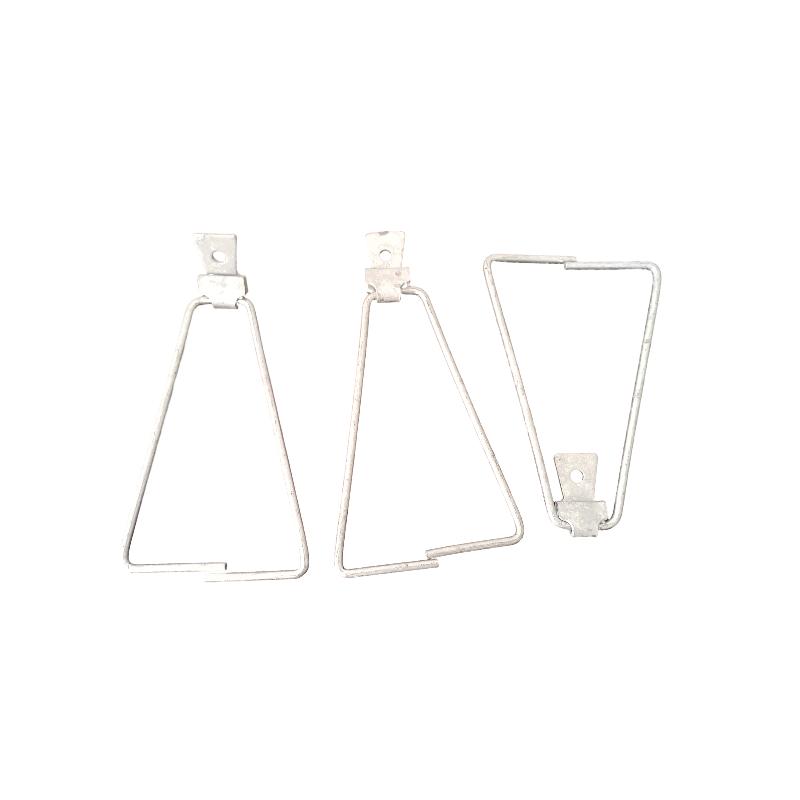
Image 1: Dovetail Triangular Veneer Anchor in a typical wall section
Detailed Process Flow: Manufacturing the Dovetail Triangular Veneer Anchor
The manufacturing of a high-performance dovetail triangular veneer anchor is a testament to precision engineering and stringent quality control. Our process is designed to ensure each anchor delivers exceptional strength, corrosion resistance, and dimensional accuracy, adhering to international standards.
1. Material Selection and Preparation
- Materials: We primarily utilize high-grade stainless steel, predominantly AISI 304 (1.4301) for general applications, and AISI 316 (1.4401) or 316L (1.4404) for enhanced corrosion resistance in marine, industrial, or chemically aggressive environments. These alloys are chosen for their superior strength-to-weight ratio, ductility, and intrinsic corrosion resistance. All raw materials are sourced from reputable mills with comprehensive Mill Test Reports (MTRs) validating their chemical composition and mechanical properties against ASTM A240/A240M or EN 10088 standards.
- Surface Finish: Depending on the application, materials may undergo specialized surface treatments such as passivation to enhance the chromium oxide layer for superior corrosion resistance, or electropolishing for aesthetic and further anti-corrosive benefits.
2. Precision Manufacturing Operations
- Cutting and Blanking: Raw stainless steel sheets or coils are precision cut into initial blanks using high-speed laser cutting or sophisticated CNC punching machines. This process ensures minimal material waste and extremely tight dimensional tolerances for the foundational components.
- Forming and Bending: The characteristic dovetail profile and the triangular leg are formed using advanced cold-forming techniques on hydraulic press brakes or specialized stamping dies. This cold working process not only shapes the material but also increases its yield strength and surface hardness, contributing to the anchor's overall mechanical performance. The triangular profile is critical for optimal load transfer and structural interaction with the veneer.
- Welding and Assembly (if applicable): For multi-piece anchors, inert gas welding (e.g., TIG/GTAW) is meticulously applied by certified welders. This ensures strong, metallurgical bonds that maintain the structural integrity and corrosion resistance of the stainless steel, with welds free from porosity or discontinuities.
- Deburring and Finishing: All edges are carefully deburred to eliminate sharp points and improve handling safety, followed by any required finishing processes to achieve the specified surface quality.
3. Quality Assurance and Testing Standards
- Dimensional Accuracy: In-process and final dimensional checks are performed using calibrated precision instruments (CMM, digital calipers, micrometers) to ensure every anchor conforms to design specifications, particularly the critical dovetail slot and triangular leg dimensions.
- Mechanical Testing: Sample anchors from each production batch undergo rigorous mechanical testing. This includes ultimate tensile load and shear load testing according to standards like ASTM E754 for pullout resistance and ASTM E488 for tensile and shear strength of anchor bolts. This verifies the anchor's ability to safely carry the specified loads.
- Corrosion Resistance Testing: Salt spray testing (ASTM B117) is conducted on finished products to evaluate their long-term performance in corrosive environments, particularly for stainless steel anchors destined for coastal or industrial applications.
- Adherence to International Standards: Our entire manufacturing operation is certified to ISO 9001:2015, ensuring consistent quality management. Products are designed to comply with relevant building codes (e.g., IBC, Eurocodes) and industry-specific standards.
Service Life and Target Industries
Leveraging premium materials and a robust manufacturing protocol, our dovetail triangular veneer anchor products are engineered for an extended service life, typically exceeding 50 years under normal conditions, contributing significantly to the sustainability and reduced lifecycle cost of building facades. These anchors are indispensable across a wide range of target industries:
- Petrochemical and Chemical Plants: Where corrosive atmospheres and high temperatures demand materials with exceptional chemical resistance.
- Metallurgy and Heavy Industry: For cladding applications in environments subject to vibration, extreme temperatures, and abrasive conditions.
- Water Treatment and Drainage Infrastructure: Requiring long-term durability against moisture, aggressive chemicals, and biological degradation.
- High-Rise Commercial and Residential Construction: Providing essential support for heavy facade panels, accommodating wind loads and seismic forces.
- Coastal and Marine Structures: Where resistance to salt-laden air and saltwater exposure is paramount.
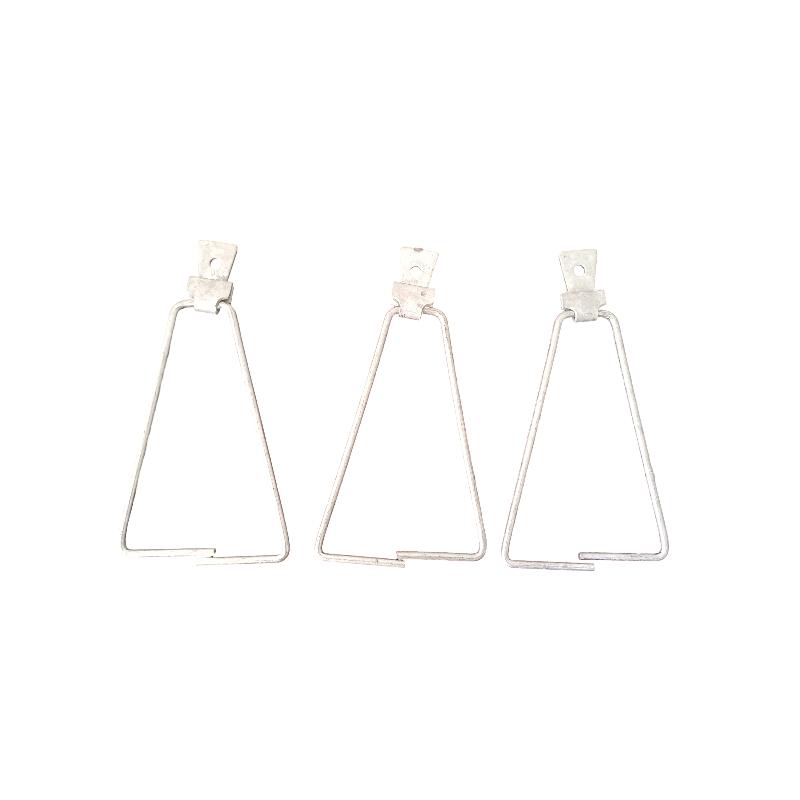
Image 2: Close-up of Dovetail Triangular Veneer Anchor construction demonstrating material quality
Technical Specifications and Performance Parameters
For engineers and specifiers, a clear understanding of the technical specifications of the dovetail triangular veneer anchor is fundamental for effective project design and material selection. The following table outlines typical parameters that define the performance and suitability of these critical facade components.
Product Specification Table: Dovetail Triangular Veneer Anchor
| Parameter | Typical Specification | Unit | Technical Notes |
|---|---|---|---|
| Material Grade | AISI 304, 316, 316L | - | Certified to ASTM A240/A240M; other alloys available for specific projects |
| Thickness Range | 1.5mm to 4.0mm | mm | Determined by design load and veneer weight |
| Triangular Leg Length | 50mm to 350mm (customizable) | mm | To accommodate varying cavity widths and insulation requirements |
| Dovetail Slot Width | 18mm, 20mm, 22mm (standard) | mm | Designed for compatibility with standard dovetail anchor channels |
| Ultimate Tensile Load (Pull-out) | > 2.8 kN (for 2.5mm 316 SS) | kN | Tested as per ASTM E754, dependent on embedment depth and concrete strength |
| Ultimate Shear Load | > 3.5 kN (for 2.5mm 316 SS) | kN | Tested as per ASTM E488, critical for wind and seismic resistance |
| Corrosion Resistance | Excellent to Superior | - | Passivated surface, suitable for extended exposure to aggressive environments |
| Adjustability | Vertical and horizontal adjustment within slot | - | Facilitates precise alignment and accommodates construction tolerances |
Note: All values are typical and may vary based on specific product series, material batch, and project-specific testing. Always refer to the latest product datasheets and engineering reports for critical design values.
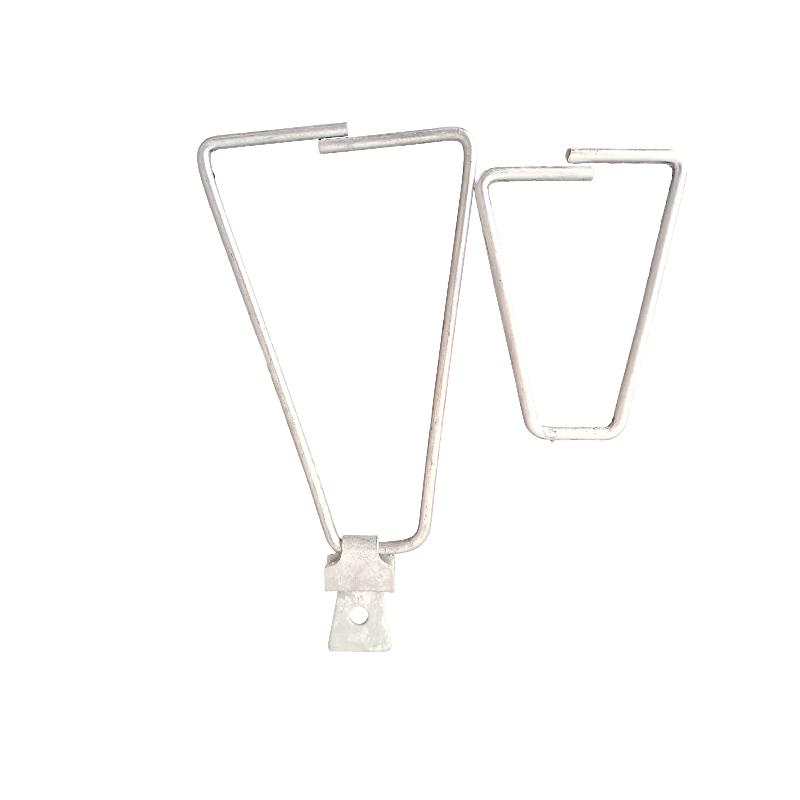
Image 3: Installation flexibility of the Dovetail Triangular Veneer Anchor
Application Scenarios and Technical Advantages
The versatility and robust engineering of the dovetail triangular veneer anchor render it an indispensable component across a multitude of construction environments, particularly where long-term facade stability is non-negotiable.
Key Application Scenarios:
- High-Rise Commercial and Residential Towers: Integral for securing heavy stone, brick, or precast concrete veneers to the structural concrete frame, accommodating substantial wind loads and thermal movement cycles.
- Precast Concrete Panel Construction: Frequently used with precast concrete accessories where the dovetail channels are cast directly into the panels, allowing for quick and secure attachment of external cladding post-erection.
- Industrial Facilities: Essential for cladding industrial buildings in sectors such as petrochemicals and metallurgy, where structures are exposed to aggressive chemicals, high temperatures, and continuous vibration.
- Infrastructure Projects: Including bridges, tunnels, and retaining walls that require durable facade systems to withstand environmental exposure and provide aesthetic finishes.
- Renovation and Retrofit Projects: Providing a reliable method to attach new veneer systems to existing concrete or masonry walls, often overcoming challenges of uneven existing surfaces.
Technical Advantages:
- Superior Load Transfer: The unique dovetail profile creates a robust mechanical interlock with the concrete, ensuring efficient distribution of both tensile and shear loads from the veneer to the main structure. This is significantly more effective than traditional friction-based anchors.
- Dynamic Adjustability: The design allows for multi-directional adjustment (vertical and horizontal) of the veneer panel after the anchor channel is cast or fixed, enabling precise alignment and compensating for typical construction tolerances. This feature is crucial for maintaining consistent joint lines and overall facade aesthetics.
- Thermal Movement Accommodation: Engineered to facilitate differential thermal expansion and contraction between the facade and the structural frame. This flexibility prevents internal stresses that can lead to cracking, spalling, and premature facade failure, particularly important in regions with significant temperature fluctuations.
- Exceptional Corrosion Resistance: Utilizing AISI 304, 316, or 316L stainless steel provides outstanding resistance to various corrosive agents, including moisture, salt, and industrial pollutants, thereby ensuring a long service life with minimal maintenance.
- Enhanced Seismic Performance: The positive mechanical connection and adjustability contribute to better performance under seismic activity, allowing limited movement while maintaining structural integrity, which is vital for building safety in earthquake-prone areas.
- Simplified Installation Process: The slide-in nature of the triangular leg into the dovetail channel greatly simplifies and speeds up installation compared to methods requiring individual drilling and epoxy setting, leading to reduced labor costs and project timelines.
- Contribution to Energy Efficiency: By facilitating a consistent and optimized cavity for insulation between the veneer and the structural wall, these anchors indirectly enhance the thermal performance of the building envelope, contributing to significant energy savings over its lifetime.
Vendor Comparison and Customized Solutions
Selecting the ideal concrete accessories suppliers for critical components like the dovetail triangular veneer anchor involves more than just price comparison. It necessitates an evaluation of material quality, manufacturing consistency, engineering expertise, and the capacity for bespoke solutions.
Comparative Analysis of Key Supplier Attributes
| Attribute | Our Company Offering | Typical Competitor A | Typical Competitor B |
|---|---|---|---|
| Material Certification & Traceability | Full MTRs per batch, certified to ASTM/EN | Limited batch MTRs, general compliance | Minimal or no MTRs provided |
| Manufacturing Quality Standards | ISO 9001:2015, CE Marking, consistent internal QA | Basic ISO 9001, varied QA practices | No clear internationally recognized certifications |
| Engineering & Design Support | Dedicated team for custom designs, load calculations, 3D modeling | Standard datasheets, limited custom engineering | Primarily off-the-shelf products with minimal support |
| Customization Flexibility | High: material, dimensions, profiles, load capacity, finishes | Moderate: limited variation in standard products | Low: generic products only |
| Lead Time (Standard Orders) | 4-6 weeks (expedited options available) | 6-9 weeks | 8+ weeks or inconsistent delivery |
| Warranty & After-Sales | 5-Year Structural Warranty, dedicated support, installation guidance | 1-2 Year Limited Warranty, basic support | Limited or no explicit warranty |
Tailored Customized Solutions
We understand that standardized solutions may not always align with the unique demands of every architectural vision or structural challenge. Therefore, we offer extensive customization services for our dovetail triangular veneer anchor products. Our team of experienced metallurgical and structural engineers collaborates directly with clients from concept to completion, providing:
- Specialized Material Grades: Beyond standard stainless steels, we can fabricate anchors from duplex stainless steel (e.g., 2205, 2507) for extremely aggressive environments, or specialized alloys for high-temperature applications.
- Optimized Geometries: Custom leg lengths, thicknesses, and even unique profiles can be engineered to match specific cavity dimensions, veneer weights, or thermal expansion requirements. This includes adaptation for complex facade curves or irregular wall conditions.
- Performance-Driven Design: Anchors can be specifically designed and tested to meet atypical load conditions, such as exceptionally high seismic activity, extreme wind pressures, or unique dynamic loads, providing detailed calculations and third-party verification.
- Integrated Solutions: Development of comprehensive anchoring systems that combine various components (channels, ties, clips) for seamless integration into complex facade designs, ensuring compatibility and optimal performance across the entire system.
This client-centric approach ensures that the final product is not merely a component, but a perfectly integrated solution that maximizes structural integrity and operational efficiency, thereby delivering superior value and peace of mind for B2B partners.
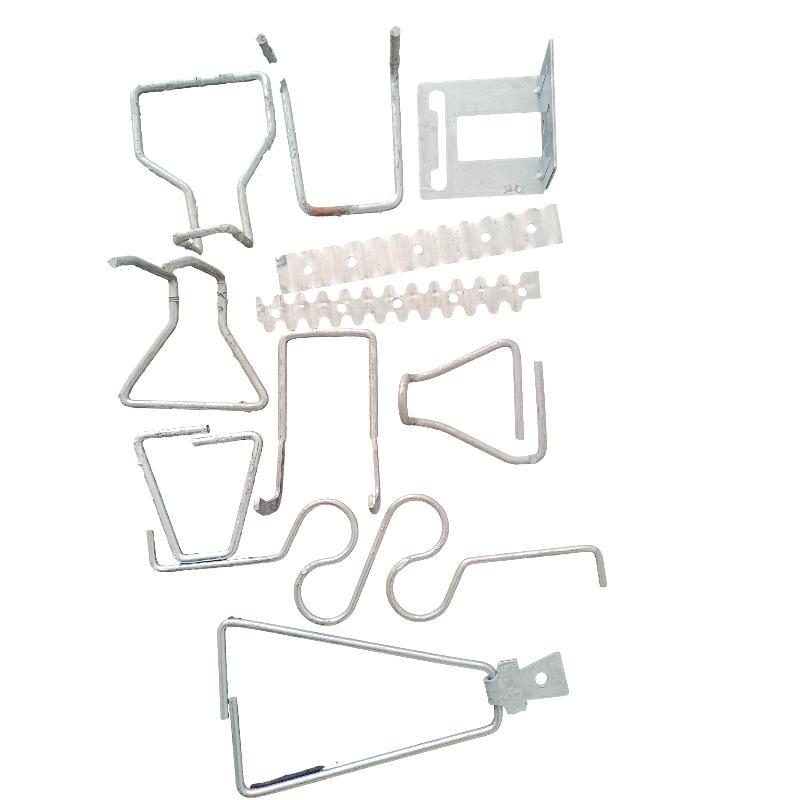
Image 4: Diverse size and configuration options for Dovetail Triangular Veneer Anchors
Application Case Studies and Customer Experience
Our track record of delivering high-quality dovetail triangular veneer anchor solutions is substantiated by numerous successful projects and strong client relationships built on trust and performance.
Case Study 1: Landmark Skyscraper Facade in Metropolitan Hub
Challenge: A prestigious 60-story mixed-use skyscraper in a densely populated urban area required a robust and aesthetically seamless facade system for its large format natural stone panels. The design called for an anchoring solution that could withstand significant wind uplift, allow for precise panel alignment, and ensure long-term stability against micro-movements.
Solution: We provided bespoke dovetail triangular veneer anchor units, fabricated from AISI 316 stainless steel with an enhanced thickness of 3.0mm, specifically engineered to support the substantial weight of the stone panels and endure cyclic wind loading. Our engineering team collaborated closely with the facade consultants, performing advanced finite element analysis (FEA) to optimize anchor spacing and load capacities. The custom-designed triangular legs allowed for a 50mm adjustment range, crucial for accommodating site-specific variations and achieving perfect alignment of the stone elements.
Outcome: The project was executed with exceptional precision, completing the facade installation ahead of schedule. The head of construction noted, "The engineering support and the quality of the dovetail anchors were instrumental. The adjustability saved us countless hours during installation, and the structural integrity is clearly superior. We received positive feedback on the facade's appearance and resilience immediately after completion."
Case Study 2: Critical Infrastructure Project – Seawall & Promenade Cladding
Challenge: A major coastal infrastructure project involving the construction of a new seawall and integrated public promenade required a durable and visually appealing stone cladding. The anchors needed to offer extreme corrosion resistance against constant saltwater spray and tidal immersion, alongside high load-bearing capacity to resist wave impacts and pedestrian traffic loads.
Solution: Recognizing the severity of the marine environment, we custom-manufactured our dovetail triangular veneer anchor components using Duplex Stainless Steel (UNS S31803), known for its enhanced pitting and crevice corrosion resistance, superior to conventional 316L. Each anchor was subjected to a rigorous passivation process and 1000-hour salt spray testing. The specific design also incorporated features to facilitate easier installation within concrete elements poured on-site.
Outcome: The Duplex anchors have performed flawlessly for over eight years in a highly aggressive environment, showing no signs of corrosion or structural degradation. The client expressed immense satisfaction, stating, "Your team's understanding of material science for marine applications was critical. The custom Duplex anchors ensured the longevity of our public infrastructure, an investment that will serve the community for generations."
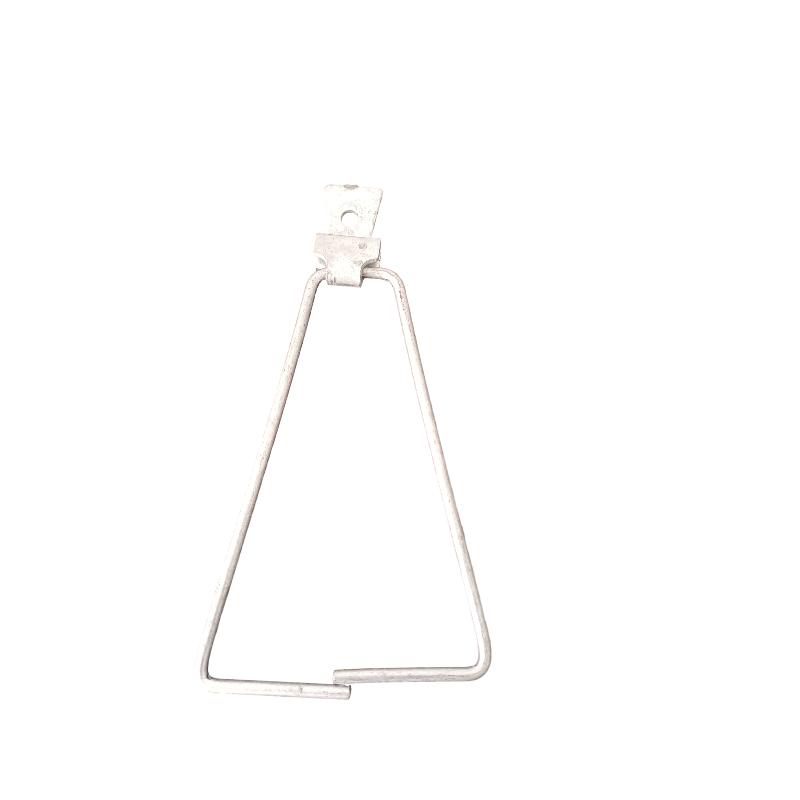
Image 5: Dovetail Triangular Veneer Anchor securely holding a facade panel
Trustworthiness: FAQ, Lead Time, Warranty, and Support
Frequently Asked Questions (FAQ)
- Q: What is the primary advantage of a dovetail triangular veneer anchor over a simple bent wire tie?
- A: The dovetail system provides a mechanical interlock within a pre-formed channel, offering superior positive engagement and significantly higher pull-out and shear resistance. Unlike simple wire ties that rely on mortar bond, it accommodates structural movement, prevents cracking, and offers greater adjustability during installation.
- Q: Are these anchors compatible with all types of concrete structures?
- A: Yes, our anchors are designed to integrate seamlessly with both cast-in-place and precast concrete elements. For precast, the dovetail channels are typically cast into the concrete during the prefabrication process. For cast-in-place, the channels are fixed to the formwork before pouring. They are fundamental what are concrete accessories for facade attachment.
- Q: How does the anchor facilitate energy efficiency in buildings?
- A: While the anchors themselves are thermal bridges, their design allows for a precisely controlled and consistent cavity space between the facade and the structural wall. This facilitates optimal installation of continuous insulation, which is crucial for achieving high thermal performance in the building envelope and complying with modern energy codes.
- Q: What is the typical installation method for this type of anchor?
- A: The installation typically involves securing a dovetail anchor channel to the concrete substrate (either cast-in or surface-mounted). The triangular leg of the anchor is then inserted into this channel, and the veneer is laid or attached, with the anchor extending into the mortar joint or cavity. Its design allows for simple slide-and-adjust functionality.
Lead Time and Fulfillment
We maintain an efficient production cycle to ensure timely delivery for all projects. Standard lead times for our dovetail triangular veneer anchors and other common concrete accessories products typically range from 4 to 6 weeks from order confirmation to ex-works shipment. For highly customized orders or large-scale projects, specific lead times will be provided following engineering review. We offer flexible shipping solutions globally, ensuring all products arrive securely packaged and fully documented.
Warranty Commitments
Our confidence in the superior quality and engineering of our products is reflected in our robust warranty policy. All our dovetail triangular veneer anchors are covered by a comprehensive 5-year structural integrity warranty, protecting against material defects and manufacturing flaws under conditions of proper installation and intended use. This commitment underscores our dedication to supplying reliable and long-lasting facade solutions for the B2B market.
Customer Support and After-Sales Service
Our dedication to client success extends throughout the entire project lifecycle. We provide extensive customer support and after-sales service, including:
- Expert Technical Consultation: Our engineering team is available for pre-sales design review, load calculation assistance, and post-installation troubleshooting.
- Comprehensive Documentation: Full material certifications, test reports, and compliance declarations are provided with every order to ensure traceability and meet regulatory requirements.
- Installation Guidance: Detailed installation guides and best practice recommendations are available, with on-site training or supervision possible for complex projects.
- Responsive Communication: Our dedicated account managers and technical support staff are readily available via phone, email, and online portal to address any inquiries promptly and efficiently.
We partner with our clients to ensure not just product delivery, but sustained project success and long-term facade performance.
Conclusion
The selection of high-quality anchoring systems is paramount for the structural integrity and aesthetic longevity of modern building facades. The dovetail triangular veneer anchor, with its advanced design, precision manufacturing, and superior material properties, stands as a leading solution among concrete accessories. It offers unparalleled advantages in load distribution, adjustability, corrosion resistance, and thermal movement accommodation. For B2B decision-makers, architects, and engineers, choosing a supplier committed to rigorous quality control, comprehensive technical support, and flexible customization ensures optimal project outcomes. Our solutions are engineered not just to meet, but to exceed the evolving demands of the global construction industry, securing durable and resilient facades for generations.
References
- ASTM International. (2023). ASTM E754 / E754M, Standard Test Method for Pullout Resistance of Ties and Anchors in Masonry. West Conshohocken, PA: ASTM International.
- American Concrete Institute. (2022). ACI 318-19: Building Code Requirements for Structural Concrete and Commentary. Farmington Hills, MI: American Concrete Institute.
- ISO. (2020). ISO 9001:2015 Quality Management Systems – Requirements. Geneva, Switzerland: International Organization for Standardization.
- The Masonry Society. (2016). TMS 402/602-16: Building Code Requirements and Specification for Masonry Structures. Longmont, CO: The Masonry Society.
- Eurocode 3: Design of steel structures – Part 1-4: General rules – Supplementary rules for stainless steels (EN 1993-1-4:2006). (2006). Brussels: European Committee for Standardization.
share:
-
Factors Influencing Hexagonal Wire Mesh Price and Buyer GuideNewsApr.16,2026
-
Understanding the Price of Chicken Mesh and Buying GuideNewsApr.09,2026
-
Comprehensive Guide to Understanding and Optimizing Poultry Net Price StrategiesNewsApr.07,2026
-
Understanding Hen Net Price for Optimal International Metal TradingNewsApr.04,2026
-
Comprehensive Guide to Chicken Wire Fence Price and Installation CostsNewsMar.31,2026
-
Comprehensive Guide to Chicken Netting Price Factors and OptionsNewsMar.28,2026
-
Comprehensive Guide to Chicken Net Fence Price and Optimal SelectionNewsMar.26,2026
Dovetail Triangular Veneer Anchor: Secure & Strong Masonry Ties
Introduction to Advanced Facade Anchoring
In modern architectural and structural engineering, the secure fastening of facade veneers to primary structures is a critical aspect of building integrity and longevity. The choice of appropriate masonry accessories directly impacts a building's resilience against environmental stressors, ensuring both safety and aesthetic durability. Central to this challenge is the implementation of highly engineered components like the dovetail triangular veneer anchor. This specialized anchor, a key solution for securely attaching various cladding materials to concrete or masonry backing, addresses the complex interplay of structural loads, thermal movement, and long-term material performance. It is a prime example of innovative concrete accessories designed to meet the rigorous demands of contemporary construction.
For discerning contractors and procurement specialists actively searching for reliable concrete wall ties for sale, understanding the sophisticated design and manufacturing precision behind advanced anchoring systems is paramount. Such systems are instrumental in mitigating risks associated with differential material expansion, wind uplift, and seismic activity. Our detailed exploration will cover the technical specifications, diverse application scenarios, and a robust manufacturing process that collectively position our anchoring solutions as leading choices in high-performance building envelopes.
Industry Trends and Market Dynamics for Concrete Accessories
The global construction industry is undergoing significant transformation, marked by a growing emphasis on sustainability, modular construction, and enhanced structural performance. These trends are directly impacting the market for concrete accessories products. Architects and engineers are increasingly specifying components that offer superior durability, ease of installation, and long-term cost efficiency. The demand for advanced solutions in precast concrete accessories is particularly robust, driven by the efficiency and precision afforded by off-site manufacturing.
Regulatory frameworks, such as updated building codes and performance standards (e.g., Eurocodes, ASTM International standards), are pushing for higher quality and more rigorously tested facade solutions. This has led to a preference for manufacturers who can provide comprehensive data and certifications for their products. Furthermore, the aesthetic demands of modern architecture, which often involve complex facade designs and heavier cladding materials, necessitate anchoring systems that can offer both robust support and precise adjustability. As a result, the market for components like the dovetail triangular veneer anchor is expanding rapidly, with an increasing focus on specialized finishes and custom dimensions. Reputable concrete accessories suppliers are adapting by offering extensive engineering support and bespoke manufacturing services to meet these evolving project requirements. The shift towards lightweight but durable brick veneer wall ties also reflects this broader industry trend.
Image 1: Dovetail Triangular Veneer Anchor in a typical wall section
Detailed Process Flow: Manufacturing the Dovetail Triangular Veneer Anchor
The manufacturing of a high-performance dovetail triangular veneer anchor is a testament to precision engineering and stringent quality control. Our process is designed to ensure each anchor delivers exceptional strength, corrosion resistance, and dimensional accuracy, adhering to international standards.
1. Material Selection and Preparation
- Materials: We primarily utilize high-grade stainless steel, predominantly AISI 304 (1.4301) for general applications, and AISI 316 (1.4401) or 316L (1.4404) for enhanced corrosion resistance in marine, industrial, or chemically aggressive environments. These alloys are chosen for their superior strength-to-weight ratio, ductility, and intrinsic corrosion resistance. All raw materials are sourced from reputable mills with comprehensive Mill Test Reports (MTRs) validating their chemical composition and mechanical properties against ASTM A240/A240M or EN 10088 standards.
- Surface Finish: Depending on the application, materials may undergo specialized surface treatments such as passivation to enhance the chromium oxide layer for superior corrosion resistance, or electropolishing for aesthetic and further anti-corrosive benefits.
2. Precision Manufacturing Operations
- Cutting and Blanking: Raw stainless steel sheets or coils are precision cut into initial blanks using high-speed laser cutting or sophisticated CNC punching machines. This process ensures minimal material waste and extremely tight dimensional tolerances for the foundational components.
- Forming and Bending: The characteristic dovetail profile and the triangular leg are formed using advanced cold-forming techniques on hydraulic press brakes or specialized stamping dies. This cold working process not only shapes the material but also increases its yield strength and surface hardness, contributing to the anchor's overall mechanical performance. The triangular profile is critical for optimal load transfer and structural interaction with the veneer.
- Welding and Assembly (if applicable): For multi-piece anchors, inert gas welding (e.g., TIG/GTAW) is meticulously applied by certified welders. This ensures strong, metallurgical bonds that maintain the structural integrity and corrosion resistance of the stainless steel, with welds free from porosity or discontinuities.
- Deburring and Finishing: All edges are carefully deburred to eliminate sharp points and improve handling safety, followed by any required finishing processes to achieve the specified surface quality.
3. Quality Assurance and Testing Standards
- Dimensional Accuracy: In-process and final dimensional checks are performed using calibrated precision instruments (CMM, digital calipers, micrometers) to ensure every anchor conforms to design specifications, particularly the critical dovetail slot and triangular leg dimensions.
- Mechanical Testing: Sample anchors from each production batch undergo rigorous mechanical testing. This includes ultimate tensile load and shear load testing according to standards like ASTM E754 for pullout resistance and ASTM E488 for tensile and shear strength of anchor bolts. This verifies the anchor's ability to safely carry the specified loads.
- Corrosion Resistance Testing: Salt spray testing (ASTM B117) is conducted on finished products to evaluate their long-term performance in corrosive environments, particularly for stainless steel anchors destined for coastal or industrial applications.
- Adherence to International Standards: Our entire manufacturing operation is certified to ISO 9001:2015, ensuring consistent quality management. Products are designed to comply with relevant building codes (e.g., IBC, Eurocodes) and industry-specific standards.
Service Life and Target Industries
Leveraging premium materials and a robust manufacturing protocol, our dovetail triangular veneer anchor products are engineered for an extended service life, typically exceeding 50 years under normal conditions, contributing significantly to the sustainability and reduced lifecycle cost of building facades. These anchors are indispensable across a wide range of target industries:
- Petrochemical and Chemical Plants: Where corrosive atmospheres and high temperatures demand materials with exceptional chemical resistance.
- Metallurgy and Heavy Industry: For cladding applications in environments subject to vibration, extreme temperatures, and abrasive conditions.
- Water Treatment and Drainage Infrastructure: Requiring long-term durability against moisture, aggressive chemicals, and biological degradation.
- High-Rise Commercial and Residential Construction: Providing essential support for heavy facade panels, accommodating wind loads and seismic forces.
- Coastal and Marine Structures: Where resistance to salt-laden air and saltwater exposure is paramount.
Image 2: Close-up of Dovetail Triangular Veneer Anchor construction demonstrating material quality
Technical Specifications and Performance Parameters
For engineers and specifiers, a clear understanding of the technical specifications of the dovetail triangular veneer anchor is fundamental for effective project design and material selection. The following table outlines typical parameters that define the performance and suitability of these critical facade components.
Product Specification Table: Dovetail Triangular Veneer Anchor
| Parameter | Typical Specification | Unit | Technical Notes |
|---|---|---|---|
| Material Grade | AISI 304, 316, 316L | - | Certified to ASTM A240/A240M; other alloys available for specific projects |
| Thickness Range | 1.5mm to 4.0mm | mm | Determined by design load and veneer weight |
| Triangular Leg Length | 50mm to 350mm (customizable) | mm | To accommodate varying cavity widths and insulation requirements |
| Dovetail Slot Width | 18mm, 20mm, 22mm (standard) | mm | Designed for compatibility with standard dovetail anchor channels |
| Ultimate Tensile Load (Pull-out) | > 2.8 kN (for 2.5mm 316 SS) | kN | Tested as per ASTM E754, dependent on embedment depth and concrete strength |
| Ultimate Shear Load | > 3.5 kN (for 2.5mm 316 SS) | kN | Tested as per ASTM E488, critical for wind and seismic resistance |
| Corrosion Resistance | Excellent to Superior | - | Passivated surface, suitable for extended exposure to aggressive environments |
| Adjustability | Vertical and horizontal adjustment within slot | - | Facilitates precise alignment and accommodates construction tolerances |
Note: All values are typical and may vary based on specific product series, material batch, and project-specific testing. Always refer to the latest product datasheets and engineering reports for critical design values.
Image 3: Installation flexibility of the Dovetail Triangular Veneer Anchor
Application Scenarios and Technical Advantages
The versatility and robust engineering of the dovetail triangular veneer anchor render it an indispensable component across a multitude of construction environments, particularly where long-term facade stability is non-negotiable.
Key Application Scenarios:
- High-Rise Commercial and Residential Towers: Integral for securing heavy stone, brick, or precast concrete veneers to the structural concrete frame, accommodating substantial wind loads and thermal movement cycles.
- Precast Concrete Panel Construction: Frequently used with precast concrete accessories where the dovetail channels are cast directly into the panels, allowing for quick and secure attachment of external cladding post-erection.
- Industrial Facilities: Essential for cladding industrial buildings in sectors such as petrochemicals and metallurgy, where structures are exposed to aggressive chemicals, high temperatures, and continuous vibration.
- Infrastructure Projects: Including bridges, tunnels, and retaining walls that require durable facade systems to withstand environmental exposure and provide aesthetic finishes.
- Renovation and Retrofit Projects: Providing a reliable method to attach new veneer systems to existing concrete or masonry walls, often overcoming challenges of uneven existing surfaces.
Technical Advantages:
- Superior Load Transfer: The unique dovetail profile creates a robust mechanical interlock with the concrete, ensuring efficient distribution of both tensile and shear loads from the veneer to the main structure. This is significantly more effective than traditional friction-based anchors.
- Dynamic Adjustability: The design allows for multi-directional adjustment (vertical and horizontal) of the veneer panel after the anchor channel is cast or fixed, enabling precise alignment and compensating for typical construction tolerances. This feature is crucial for maintaining consistent joint lines and overall facade aesthetics.
- Thermal Movement Accommodation: Engineered to facilitate differential thermal expansion and contraction between the facade and the structural frame. This flexibility prevents internal stresses that can lead to cracking, spalling, and premature facade failure, particularly important in regions with significant temperature fluctuations.
- Exceptional Corrosion Resistance: Utilizing AISI 304, 316, or 316L stainless steel provides outstanding resistance to various corrosive agents, including moisture, salt, and industrial pollutants, thereby ensuring a long service life with minimal maintenance.
- Enhanced Seismic Performance: The positive mechanical connection and adjustability contribute to better performance under seismic activity, allowing limited movement while maintaining structural integrity, which is vital for building safety in earthquake-prone areas.
- Simplified Installation Process: The slide-in nature of the triangular leg into the dovetail channel greatly simplifies and speeds up installation compared to methods requiring individual drilling and epoxy setting, leading to reduced labor costs and project timelines.
- Contribution to Energy Efficiency: By facilitating a consistent and optimized cavity for insulation between the veneer and the structural wall, these anchors indirectly enhance the thermal performance of the building envelope, contributing to significant energy savings over its lifetime.
Vendor Comparison and Customized Solutions
Selecting the ideal concrete accessories suppliers for critical components like the dovetail triangular veneer anchor involves more than just price comparison. It necessitates an evaluation of material quality, manufacturing consistency, engineering expertise, and the capacity for bespoke solutions.
Comparative Analysis of Key Supplier Attributes
| Attribute | Our Company Offering | Typical Competitor A | Typical Competitor B |
|---|---|---|---|
| Material Certification & Traceability | Full MTRs per batch, certified to ASTM/EN | Limited batch MTRs, general compliance | Minimal or no MTRs provided |
| Manufacturing Quality Standards | ISO 9001:2015, CE Marking, consistent internal QA | Basic ISO 9001, varied QA practices | No clear internationally recognized certifications |
| Engineering & Design Support | Dedicated team for custom designs, load calculations, 3D modeling | Standard datasheets, limited custom engineering | Primarily off-the-shelf products with minimal support |
| Customization Flexibility | High: material, dimensions, profiles, load capacity, finishes | Moderate: limited variation in standard products | Low: generic products only |
| Lead Time (Standard Orders) | 4-6 weeks (expedited options available) | 6-9 weeks | 8+ weeks or inconsistent delivery |
| Warranty & After-Sales | 5-Year Structural Warranty, dedicated support, installation guidance | 1-2 Year Limited Warranty, basic support | Limited or no explicit warranty |
Tailored Customized Solutions
We understand that standardized solutions may not always align with the unique demands of every architectural vision or structural challenge. Therefore, we offer extensive customization services for our dovetail triangular veneer anchor products. Our team of experienced metallurgical and structural engineers collaborates directly with clients from concept to completion, providing:
- Specialized Material Grades: Beyond standard stainless steels, we can fabricate anchors from duplex stainless steel (e.g., 2205, 2507) for extremely aggressive environments, or specialized alloys for high-temperature applications.
- Optimized Geometries: Custom leg lengths, thicknesses, and even unique profiles can be engineered to match specific cavity dimensions, veneer weights, or thermal expansion requirements. This includes adaptation for complex facade curves or irregular wall conditions.
- Performance-Driven Design: Anchors can be specifically designed and tested to meet atypical load conditions, such as exceptionally high seismic activity, extreme wind pressures, or unique dynamic loads, providing detailed calculations and third-party verification.
- Integrated Solutions: Development of comprehensive anchoring systems that combine various components (channels, ties, clips) for seamless integration into complex facade designs, ensuring compatibility and optimal performance across the entire system.
This client-centric approach ensures that the final product is not merely a component, but a perfectly integrated solution that maximizes structural integrity and operational efficiency, thereby delivering superior value and peace of mind for B2B partners.
Image 4: Diverse size and configuration options for Dovetail Triangular Veneer Anchors
Application Case Studies and Customer Experience
Our track record of delivering high-quality dovetail triangular veneer anchor solutions is substantiated by numerous successful projects and strong client relationships built on trust and performance.
Case Study 1: Landmark Skyscraper Facade in Metropolitan Hub
Challenge: A prestigious 60-story mixed-use skyscraper in a densely populated urban area required a robust and aesthetically seamless facade system for its large format natural stone panels. The design called for an anchoring solution that could withstand significant wind uplift, allow for precise panel alignment, and ensure long-term stability against micro-movements.
Solution: We provided bespoke dovetail triangular veneer anchor units, fabricated from AISI 316 stainless steel with an enhanced thickness of 3.0mm, specifically engineered to support the substantial weight of the stone panels and endure cyclic wind loading. Our engineering team collaborated closely with the facade consultants, performing advanced finite element analysis (FEA) to optimize anchor spacing and load capacities. The custom-designed triangular legs allowed for a 50mm adjustment range, crucial for accommodating site-specific variations and achieving perfect alignment of the stone elements.
Outcome: The project was executed with exceptional precision, completing the facade installation ahead of schedule. The head of construction noted, "The engineering support and the quality of the dovetail anchors were instrumental. The adjustability saved us countless hours during installation, and the structural integrity is clearly superior. We received positive feedback on the facade's appearance and resilience immediately after completion."
Case Study 2: Critical Infrastructure Project – Seawall & Promenade Cladding
Challenge: A major coastal infrastructure project involving the construction of a new seawall and integrated public promenade required a durable and visually appealing stone cladding. The anchors needed to offer extreme corrosion resistance against constant saltwater spray and tidal immersion, alongside high load-bearing capacity to resist wave impacts and pedestrian traffic loads.
Solution: Recognizing the severity of the marine environment, we custom-manufactured our dovetail triangular veneer anchor components using Duplex Stainless Steel (UNS S31803), known for its enhanced pitting and crevice corrosion resistance, superior to conventional 316L. Each anchor was subjected to a rigorous passivation process and 1000-hour salt spray testing. The specific design also incorporated features to facilitate easier installation within concrete elements poured on-site.
Outcome: The Duplex anchors have performed flawlessly for over eight years in a highly aggressive environment, showing no signs of corrosion or structural degradation. The client expressed immense satisfaction, stating, "Your team's understanding of material science for marine applications was critical. The custom Duplex anchors ensured the longevity of our public infrastructure, an investment that will serve the community for generations."
Image 5: Dovetail Triangular Veneer Anchor securely holding a facade panel
Trustworthiness: FAQ, Lead Time, Warranty, and Support
Frequently Asked Questions (FAQ)
- Q: What is the primary advantage of a dovetail triangular veneer anchor over a simple bent wire tie?
- A: The dovetail system provides a mechanical interlock within a pre-formed channel, offering superior positive engagement and significantly higher pull-out and shear resistance. Unlike simple wire ties that rely on mortar bond, it accommodates structural movement, prevents cracking, and offers greater adjustability during installation.
- Q: Are these anchors compatible with all types of concrete structures?
- A: Yes, our anchors are designed to integrate seamlessly with both cast-in-place and precast concrete elements. For precast, the dovetail channels are typically cast into the concrete during the prefabrication process. For cast-in-place, the channels are fixed to the formwork before pouring. They are fundamental what are concrete accessories for facade attachment.
- Q: How does the anchor facilitate energy efficiency in buildings?
- A: While the anchors themselves are thermal bridges, their design allows for a precisely controlled and consistent cavity space between the facade and the structural wall. This facilitates optimal installation of continuous insulation, which is crucial for achieving high thermal performance in the building envelope and complying with modern energy codes.
- Q: What is the typical installation method for this type of anchor?
- A: The installation typically involves securing a dovetail anchor channel to the concrete substrate (either cast-in or surface-mounted). The triangular leg of the anchor is then inserted into this channel, and the veneer is laid or attached, with the anchor extending into the mortar joint or cavity. Its design allows for simple slide-and-adjust functionality.
Lead Time and Fulfillment
We maintain an efficient production cycle to ensure timely delivery for all projects. Standard lead times for our dovetail triangular veneer anchors and other common concrete accessories products typically range from 4 to 6 weeks from order confirmation to ex-works shipment. For highly customized orders or large-scale projects, specific lead times will be provided following engineering review. We offer flexible shipping solutions globally, ensuring all products arrive securely packaged and fully documented.
Warranty Commitments
Our confidence in the superior quality and engineering of our products is reflected in our robust warranty policy. All our dovetail triangular veneer anchors are covered by a comprehensive 5-year structural integrity warranty, protecting against material defects and manufacturing flaws under conditions of proper installation and intended use. This commitment underscores our dedication to supplying reliable and long-lasting facade solutions for the B2B market.
Customer Support and After-Sales Service
Our dedication to client success extends throughout the entire project lifecycle. We provide extensive customer support and after-sales service, including:
- Expert Technical Consultation: Our engineering team is available for pre-sales design review, load calculation assistance, and post-installation troubleshooting.
- Comprehensive Documentation: Full material certifications, test reports, and compliance declarations are provided with every order to ensure traceability and meet regulatory requirements.
- Installation Guidance: Detailed installation guides and best practice recommendations are available, with on-site training or supervision possible for complex projects.
- Responsive Communication: Our dedicated account managers and technical support staff are readily available via phone, email, and online portal to address any inquiries promptly and efficiently.
We partner with our clients to ensure not just product delivery, but sustained project success and long-term facade performance.
Conclusion
The selection of high-quality anchoring systems is paramount for the structural integrity and aesthetic longevity of modern building facades. The dovetail triangular veneer anchor, with its advanced design, precision manufacturing, and superior material properties, stands as a leading solution among concrete accessories. It offers unparalleled advantages in load distribution, adjustability, corrosion resistance, and thermal movement accommodation. For B2B decision-makers, architects, and engineers, choosing a supplier committed to rigorous quality control, comprehensive technical support, and flexible customization ensures optimal project outcomes. Our solutions are engineered not just to meet, but to exceed the evolving demands of the global construction industry, securing durable and resilient facades for generations.
References
- ASTM International. (2023). ASTM E754 / E754M, Standard Test Method for Pullout Resistance of Ties and Anchors in Masonry. West Conshohocken, PA: ASTM International.
- American Concrete Institute. (2022). ACI 318-19: Building Code Requirements for Structural Concrete and Commentary. Farmington Hills, MI: American Concrete Institute.
- ISO. (2020). ISO 9001:2015 Quality Management Systems – Requirements. Geneva, Switzerland: International Organization for Standardization.
- The Masonry Society. (2016). TMS 402/602-16: Building Code Requirements and Specification for Masonry Structures. Longmont, CO: The Masonry Society.
- Eurocode 3: Design of steel structures – Part 1-4: General rules – Supplementary rules for stainless steels (EN 1993-1-4:2006). (2006). Brussels: European Committee for Standardization.
share:
-
Factors Influencing Hexagonal Wire Mesh Price and Buyer GuideNewsApr.16,2026
-
Understanding the Price of Chicken Mesh and Buying GuideNewsApr.09,2026
-
Comprehensive Guide to Understanding and Optimizing Poultry Net Price StrategiesNewsApr.07,2026
-
Understanding Hen Net Price for Optimal International Metal TradingNewsApr.04,2026
-
Comprehensive Guide to Chicken Wire Fence Price and Installation CostsNewsMar.31,2026
-
Comprehensive Guide to Chicken Netting Price Factors and OptionsNewsMar.28,2026
-
Comprehensive Guide to Chicken Net Fence Price and Optimal SelectionNewsMar.26,2026