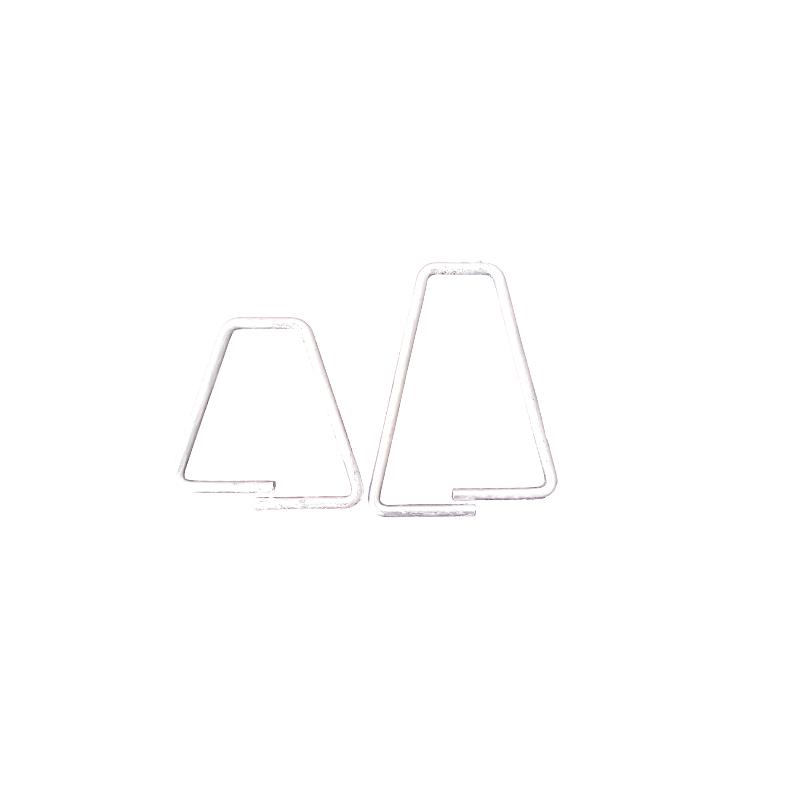
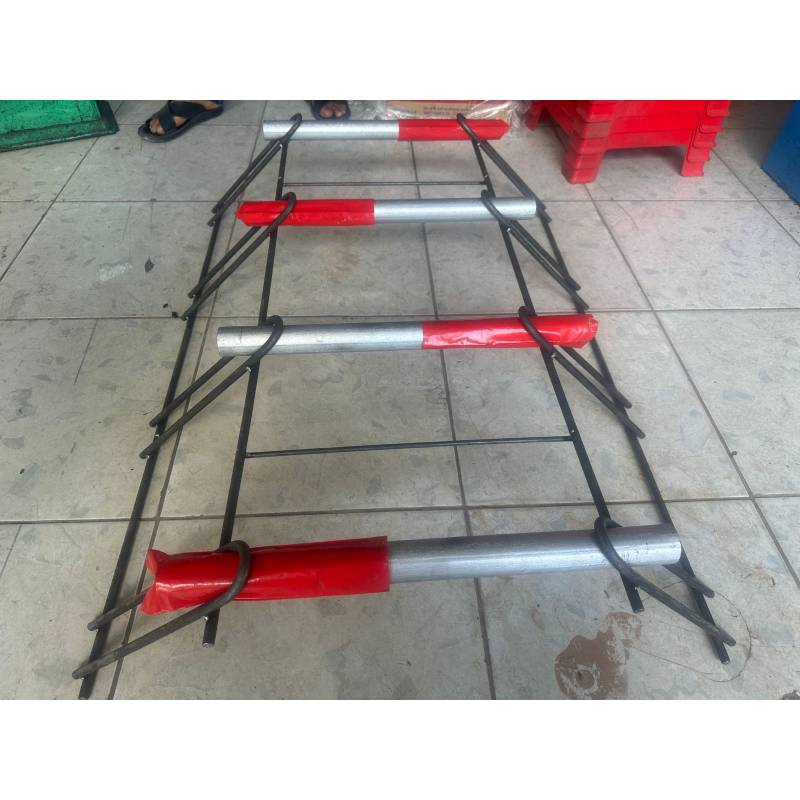
Reliable Dowel Cradles from pvc coated iron wire manufacturer
Managing concrete slab contraction joints requires precision to prevent premature shrinkage cracks and vertical displacement. Dowel Cradles serve as a critical positioning system, ensuring that load transfer dowels and sleeves remain perfectly aligned in the center of the pavement during the pouring process. By maintaining exact spacing and height, these wire cradles eliminate the instability that often leads to joint failure in industrial flooring and roadway construction.
For engineers and procurement managers, selecting a reliable system means balancing installation speed with structural integrity. A well-engineered cradle not only streamlines the labor process but also ensures that the final concrete structure adheres to strict movement specifications. This guide examines the technical role of Dowel Cradles in modern masonry and the manufacturing standards required to ensure long-term durability in harsh subterranean environments.

The Engineering Logic of Load Transfer Systems in Concrete Slabs
In large-scale concrete pavements, contraction joints are induced to control where the concrete cracks as it shrinks. However, without a proper load transfer system, the edges of these slabs can shift vertically, creating "stepping" that damages vehicles and pedestrians. Dowel Cradles are designed specifically to solve this by suspending the dowels in the precise middle of the slab depth.
The system functions by utilizing a positioning wire cradle that holds the dowels and sleeves in a fixed geometry. This prevents the dowels from sinking or shifting during the vibration and pouring of concrete. When the slab is completed, the dowels allow for horizontal movement (contraction and expansion) while providing the necessary vertical support to transfer loads across the joint, effectively eliminating the primary cause of joint-related structural failure.
From a technical perspective, the effectiveness of the system depends on the stability of the cradle. A rigid, well-fabricated wire cradle ensures that the distance between dowel centers remains constant, which is essential for maintaining the uniformity of the load distribution across the entire pavement surface.

Manufacturing Specifications and Material Durability
The production of Dowel Cradles involves high-precision wire forming and prefabrication. To ensure the system can withstand the weight of wet concrete and the pressures of installation, the brackets are fabricated to specific strength dimensions. The process begins with the creation of line brackets, followed by the precise installation of pins and sleeves to ensure alignment is locked in before the product leaves the factory.
Material selection is paramount due to the corrosive nature of concrete and the potential for moisture ingress. These systems are typically available in two primary finishes:
- Plain Steel: Used for internal slabs where corrosion risk is minimal.
- Hot-Dip Galvanized: The preferred choice for external slabs and infrastructure projects, providing a thick zinc layer that protects the iron core from oxidation and chemical attack.
Advanced equipment imported from Germany, Korea, and Taiwan allows for tight tolerances in wire diameter and bend angles. This ensures that every cradle fits the specified slab depth—typically ranging from 125 mm to 250 mm—though custom dimensions are often engineered to meet the specific architectural requirements of a project.
Practical Application and Installation Efficiency
One of the most significant advantages of using a pre-fabricated cradle system is the drastic reduction in onsite labor. Traditionally, aligning dowels manually was a time-consuming process prone to human error. The modern load transfer system allows a single person to install the cradles quickly and simply, ensuring that the dowels are suspended at the correct height without the need for constant measurement during the pour.
This efficiency is particularly valuable in high-volume projects such as warehouse floors, airport runways, and highway pavements. By utilizing a system that pre-sets the distance between dowel centers, contractors can guarantee a consistent result across thousands of square meters. This consistency is what prevents the localized failures that often plague manually aligned joints.
Furthermore, the ability to customize the shape and size of the cradles means they can be integrated into existing structures or adapted for non-standard slab thicknesses. Whether the project requires a specific spacing for heavy-duty industrial use or a lighter configuration for commercial walkways, the fabrication process can be adjusted to match the blueprint exactly.
Dowel Cradle Selection and Application Matrix
| Slab Environment | Recommended Finish | Typical Depth Range | Installation Complexity |
|---|---|---|---|
| Internal Industrial Floor | Plain Steel | 125mm - 180mm | Low |
| External Roadway | Hot-Dip Galvanized | 150mm - 250mm | Medium |
| Chemical Storage Area | Heavy Galvanized | Application-dependent | Medium |
| Commercial Pavement | Hot-Dip Galvanized | 125mm - 150mm | Low |
| Custom Infrastructure | Client Specification | Custom Design | High |
Evaluating Supplier Capabilities for Wire-Formed Products
When sourcing dowel systems, buyers must look beyond the unit price and evaluate the manufacturer's technical infrastructure. Quality consistency in wire products depends on the precision of the forming machinery and the rigor of the quality management system. A manufacturer utilizing advanced imported equipment is more likely to provide products that maintain strict dimensional stability, which is critical for the alignment of dowels in the field.
Experience in global export is another key indicator of quality. Suppliers who serve markets in the USA, EU, and AU are typically accustomed to meeting stringent international standards for galvanization and tensile strength. This ensures that the products can withstand the logistical rigors of shipping and the environmental stresses of the final installation site.
Additionally, the capability for customization is a vital procurement factor. Because no two construction projects are identical, a supplier that can offer custom design-to-print services prevents the need for onsite modifications, which often compromise the integrity of the galvanized coating and the overall alignment of the load transfer system.
Future Trends in Concrete Joint Reinforcement
The industry is moving toward increasingly modular and automated installation systems. As labor costs rise, the demand for "plug-and-play" components like Dowel Cradles continues to grow. We are seeing a trend toward integrated systems where the cradle not only positions the dowel but also incorporates sensing elements or improved sleeve materials to further reduce friction and enhance slab movement.
Sustainability is also playing a larger role in material selection. While hot-dip galvanizing remains the gold standard for corrosion resistance, there is ongoing research into eco-friendly coatings that provide similar longevity with a lower environmental footprint. However, for the foreseeable future, the combination of high-strength iron wire and zinc coating remains the most reliable solution for heavy-duty civil engineering.
For procurement professionals, the focus is shifting toward Total Cost of Ownership (TCO). While a high-quality cradle may have a higher initial cost than a rudimentary wire tie, the reduction in installation time and the elimination of costly joint repairs over the lifespan of the pavement provide a significantly higher return on investment.
Technical FAQ regarding Dowel Cradles
What is the primary purpose of a Dowel Cradle in concrete work?
The primary purpose is to hold load transfer dowels and sleeves in a precise position—both in terms of height and spacing—within the concrete slab to ensure free movement at contraction joints and prevent vertical displacement.
Why is hot-dip galvanizing recommended for external slabs?
External slabs are exposed to moisture, salt, and oxygen, which cause iron wire to rust. Hot-dip galvanizing creates a thick, durable zinc barrier that prevents corrosion, ensuring the cradle does not degrade and compromise the slab's joint integrity.
Can Dowel Cradles be customized for non-standard slab depths?
Yes, they can be fabricated according to specific project designs and client requirements to ensure a perfect fit with existing structures or unique slab thickness specifications.
How does the cradle system improve installation speed?
It allows a single worker to quickly place pre-aligned dowel assemblies into the formwork, eliminating the need for manual measurement and constant adjustment during the concrete pour.
What happens if dowels are not correctly positioned in the slab?
Incorrectly positioned dowels can lead to "locking" of the joint, which causes uncontrolled cracking, or a failure to transfer loads, resulting in vertical stepping and pavement failure.
Are these cradles suitable for all types of concrete pavements?
They are ideal for any pavement where sawn or induced free-movement contraction joints are required, including industrial floors, highways, and airport aprons.
Technical References and Industry Standards
- American Concrete Institute (ACI) Standards
- ASTM International Material Specifications
- Portland Cement Association (PCA) Guidelines
- ISO Standards for Galvanized Coatings
Ensuring the longevity of concrete infrastructure starts with the smallest components. By prioritizing precision-engineered load transfer systems, project managers can guarantee structural durability and reduce long-term maintenance costs. For customized wire solutions, partnering with an experienced manufacturer is the most effective way to ensure project success.
Related Industry Insights