
- Mobile Phone
- +8613931874955
- sales@cntcmetal.com
Premium Rolled Steel Bar: Cold Drawn & Sized for Your Needs
Understanding the Modern rolled steel bar Landscape
The demand for high-performance metallic components in B2B sectors continues to drive innovation in material science and manufacturing processes. Among these, the rolled steel bar stands as a foundational product, integral to diverse industrial applications ranging from heavy construction to precision machinery. Its versatility, attributed to controlled metallurgical properties and precise dimensions, makes it a critical component for engineers and procurement specialists. This segment explores current industry trends, focusing on the evolution of steel processing, sustainability initiatives, and the increasing demand for specialized alloys.
Contemporary trends indicate a shift towards advanced manufacturing techniques that yield superior material characteristics, such as enhanced strength-to-weight ratios and improved corrosion resistance. The market for rolled steel bar is also influenced by global infrastructure development, particularly in emerging economies, which fuels the need for robust and reliable construction materials. Furthermore, the push for energy efficiency and reduced environmental impact mandates more sophisticated production methods, prompting manufacturers to invest in cleaner technologies and optimized material utilization. The integration of digital technologies, including AI-driven quality control and predictive maintenance, is also reshaping the production landscape for products like cold rolled steel bar, leading to higher consistency and reduced waste.
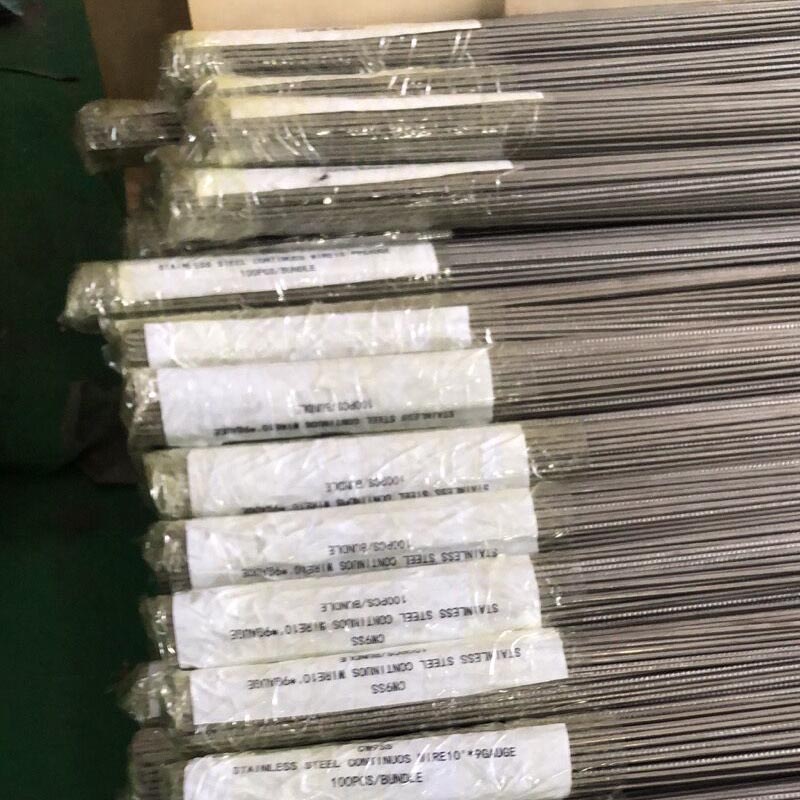
Fig 1: Modern rolling mill for rolled steel bar production.
The adoption of higher-grade alloys and specialized heat treatments signifies a move towards tailored solutions for specific engineering challenges. For instance, in seismic zones, the demand for ductile and high-strength rolled steel bar is paramount for ensuring structural integrity. Similarly, the increasing complexity of industrial machinery requires components that can withstand extreme temperatures, pressures, and abrasive environments. This drive towards specialization is also evident in the market for ancillary products like adjustable brick ties, brick tie backs, and brick wire ties, which rely on precisely manufactured steel components to ensure structural stability in masonry applications. These trends underscore the critical role of continuous innovation in the rolled steel bar sector to meet evolving industrial requirements.
The Manufacturing Journey of Rolled Steel Bar: A Detailed Process Flow
The production of a rolled steel bar involves a meticulously controlled series of steps, transforming raw materials into high-performance finished products. This process ensures the desired metallurgical properties, dimensional accuracy, and surface finish. The general flow often begins with the selection of high-quality raw materials, typically steel billets or blooms, which are then subjected to various thermomechanical treatments.
Key Stages in Rolled Steel Bar Production:
-
Raw Material Preparation:
High-grade steel billets or continuous cast blooms are sourced. These are typically derived from basic oxygen furnaces (BOF) or electric arc furnaces (EAF), ensuring controlled chemical composition suitable for specific end applications (e.g., carbon steel, alloy steel, stainless steel). The material choice significantly influences the final mechanical properties, such as tensile strength and ductility.
-
Heating and Descaling:
Billets are heated in reheating furnaces (e.g., walking beam furnaces) to temperatures typically ranging from 900°C to 1250°C, depending on the steel grade. This heating makes the steel malleable for rolling. Prior to rolling, descaling is performed, often using high-pressure water jets, to remove iron oxide scales that could impair surface quality and tool life.
-
Hot Rolling:
The heated billets pass through a series of rolling stands, each with progressively smaller gaps. Rolls apply compressive forces, reducing the cross-sectional area and elongating the bar. This process refines the grain structure, enhancing mechanical properties. Hot rolling can produce various forms, including round, square, or flat bars. The controlled temperature throughout this stage is critical to prevent defects and achieve the desired microstructure (e.g., fine pearlite or ferrite-pearlite).
-
Cooling and Quenching:
After rolling, the bar is cooled under controlled conditions. This can involve natural air cooling (for softer steels), or accelerated cooling/quenching processes (using water or oil) to achieve specific hardness and strength profiles. For example, controlled cooling to room temperature often produces a more ductile product, whereas rapid quenching followed by tempering can yield higher strength and toughness, crucial for applications requiring high load-bearing capacity.
-
Finishing (Cold Rolling/Drawing, Straightening, Cutting):
For applications demanding higher dimensional accuracy, smoother surface finish, and enhanced mechanical properties, further processing such as cold rolled steel bar or cold drawn steel bar manufacturing is employed. Cold rolling involves processing the steel at room temperature, which increases its yield strength and tensile strength while reducing ductility. Cold drawing, used by cold drawn steel bar manufacturers, pulls the bar through a die, achieving precise dimensions and an excellent surface finish. Following these, bars are straightened to meet geometric tolerances and cut to specified lengths using shears or saws. Some applications may require CNC machining for intricate shapes or specific features.
-
Testing and Inspection:
Rigorous testing is performed to ensure compliance with international standards such as ISO (e.g., ISO 6935 for reinforcing steels), ANSI, ASTM (e.g., ASTM A36 for structural steel), and EN standards. This includes chemical analysis, mechanical testing (tensile strength, yield strength, elongation, hardness), non-destructive testing (NDT) like eddy current or ultrasonic inspection for internal defects, and dimensional checks. Our products, like the Continuous Wire, undergo stringent quality assurance protocols to guarantee performance.
-
Surface Treatment and Packaging:
Depending on the application, bars may undergo surface treatments such as shot blasting, passivation, or protective coating to enhance corrosion resistance. Finally, they are bundled, strapped, and packaged for transport, often with rust-preventative measures.
Target Industries and Advantages:
The service life of a well-manufactured rolled steel bar can extend for decades, often exceeding 50-100 years in appropriate applications, especially when protected from severe environmental degradation. Our products find extensive use in:
- Petrochemical Industry: For structural supports, piping components, and reactor internals, requiring corrosion resistance and high temperature stability.
- Metallurgy: As raw material for further processing, or components in high-temperature furnaces.
- Water Supply & Drainage: Reinforcement in concrete pipes, structural elements in water treatment plants, where corrosion resistance is key.
- Construction: Reinforcing bars (rebar), structural beams, masonry supports (e.g., masonry tie systems, brickwork accessories).
- Automotive and Manufacturing: Shafts, gears, fasteners, and various machined components.
Advantages in typical application scenarios include:
- Energy Saving: Optimized material properties reduce the need for oversized components, leading to lighter structures and improved fuel efficiency in transport applications.
- Corrosion Resistance: For specific grades, enhanced resistance extends service life in harsh environments, reducing maintenance costs and ensuring long-term structural integrity, especially crucial for concrete accessories products exposed to the elements.
- Structural Integrity: High strength and ductility ensure reliability in critical load-bearing applications, from high-rise buildings to bridge construction.
Technical Specifications and Data Visualization
The precise technical specifications of rolled steel bar products are paramount for engineering design and material selection. These parameters dictate performance, suitability for specific applications, and compliance with industry standards. Below, we present key parameters, including common cold rolled steel bar sizes and their associated mechanical properties, based on typical industry standards.
Typical Cold Rolled Steel Bar Specifications (ASTM A36/A108 Equivalent)
| Property | Unit | Standard Range (ASTM A36) | Typical Cold Rolled (ASTM A108 Gr. 1018) |
|---|---|---|---|
| Tensile Strength (min) | MPa (ksi) | 400 (58) | 420-550 (61-80) |
| Yield Strength (min) | MPa (ksi) | 250 (36) | 340-415 (49-60) |
| Elongation in 200mm (min) | % | 20 | 15-25 |
| Hardness (Brinell, typical) | HB | 110-150 | 130-170 |
| Carbon Content (typical) | % | 0.25-0.29 | 0.15-0.20 |
| Density | g/cm³ | 7.85 | 7.85 |
Note: Values are typical and can vary based on specific grade, heat treatment, and manufacturing process. Always refer to specific product data sheets for precise specifications.
Common Cold Rolled Steel Bar Sizes and Tolerances
Dimensional precision is a hallmark of cold rolled steel bar, crucial for machining and assembly. Here are typical sizes and their standard diameter tolerances.
| Nominal Diameter (mm) | Nominal Diameter (inches) | Tolerance (mm) | Tolerance (inches) |
|---|---|---|---|
| 6 - 12 | 0.236 - 0.472 | ±0.025 | ±0.001 |
| 12.1 - 25 | 0.476 - 0.984 | ±0.030 | ±0.0012 |
| 25.1 - 50 | 0.988 - 1.968 | ±0.040 | ±0.0016 |
| 50.1 - 75 | 1.972 - 2.953 | ±0.050 | ±0.002 |
| 75.1 - 100 | 2.957 - 3.937 | ±0.065 | ±0.0025 |
Note: Tolerances are typically specified as per ISO h9/h10 or ASTM A108 standards for cold finished bars. Our Continuous Wire product adheres to similarly strict dimensional control for optimal performance.
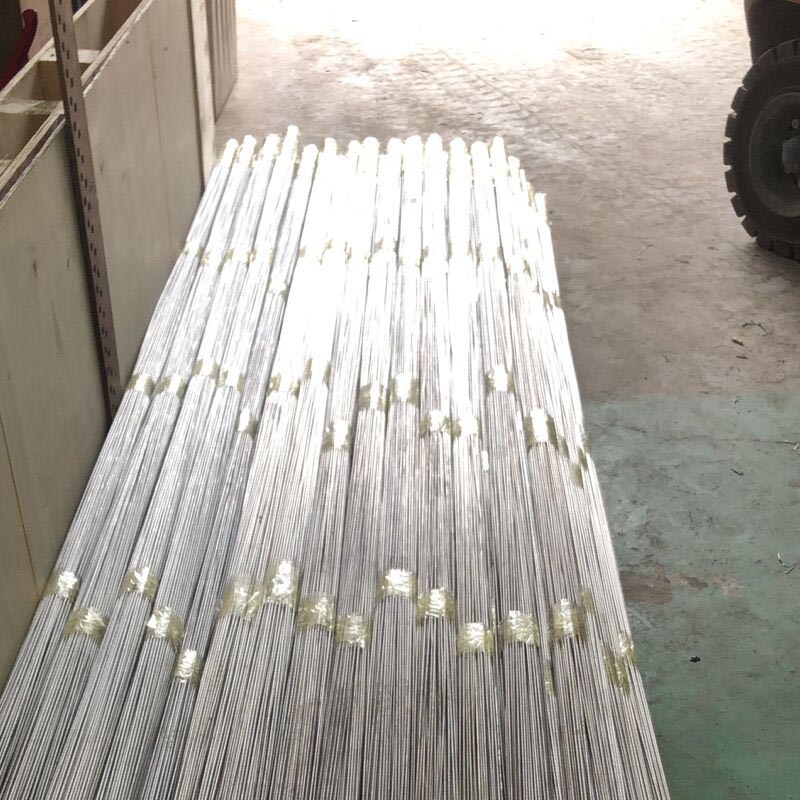
Fig 2: Precision measurement of rolled steel bar to ensure exact specifications.
Application Scenarios and Technical Advantages
The inherent versatility and robust mechanical properties of rolled steel bar make it indispensable across a multitude of high-demand industrial applications. From large-scale infrastructure projects to intricate machinery components, its reliability and adaptability are key drivers of its widespread adoption.
Key Application Scenarios:
- Civil Engineering and Construction: Used extensively as reinforcing bar (rebar) in concrete structures to enhance tensile strength and prevent cracking. Specialized forms of rolled steel bar are also critical for structural framing, bridge construction, and in foundation systems. Furthermore, they form the backbone of masonry ties and other brickwork accessories, providing essential lateral support to walls.
- Machinery and Automotive Industry: Precision cold rolled steel bar is machined into shafts, gears, axles, hydraulic cylinders, and various fasteners. Its superior surface finish and tight tolerances reduce post-processing costs and improve the longevity of moving parts.
- Energy Sector (Oil & Gas, Power Generation): Utilized in the construction of pipelines, drilling equipment components, structural supports for power plants, and within renewable energy infrastructure. The corrosion resistance of certain alloy rolled steel bar grades is vital in these harsh environments.
- Manufacturing and Fabrication: Serves as a primary stock material for forging, stamping, and general fabrication of industrial tools, frames, and custom components. The consistent mechanical properties ensure predictable behavior during subsequent manufacturing operations.
- Agricultural Equipment: Durable rolled steel bar is essential for components in tractors, plows, and other heavy farm machinery, designed to withstand rigorous field conditions.
Technical Advantages:
The continuous advancement in steel manufacturing imbues rolled steel bar with several compelling technical advantages:
- Enhanced Mechanical Properties: Through controlled alloying and thermomechanical processing, modern rolled steel bar exhibits superior tensile strength, yield strength, and toughness. This allows for lighter designs without compromising structural integrity, leading to material and cost efficiencies.
- Superior Dimensional Accuracy and Surface Finish: Especially for cold rolled steel bar and cold drawn steel bar, the tightly controlled manufacturing process results in exceptional dimensional precision. This reduces the need for extensive post-machining, lowers manufacturing costs, and improves the aesthetic and functional quality of finished components.
- Customizable Metallurgical Composition: Manufacturers can tailor the chemical composition (e.g., carbon, manganese, chromium, nickel) to achieve specific properties such as improved weldability, increased hardness, or enhanced corrosion resistance for specialized applications. This flexibility is crucial for demanding industries.
- Cost-Effectiveness and Availability: Despite its advanced properties, rolled steel bar remains a cost-effective material solution due to efficient large-scale production methods and widespread availability. This makes it a preferred choice for projects of all scales.
- Fatigue Resistance: In applications involving cyclic loading, optimized grain structures and surface integrity contribute to excellent fatigue resistance, extending the operational life of components and structures.
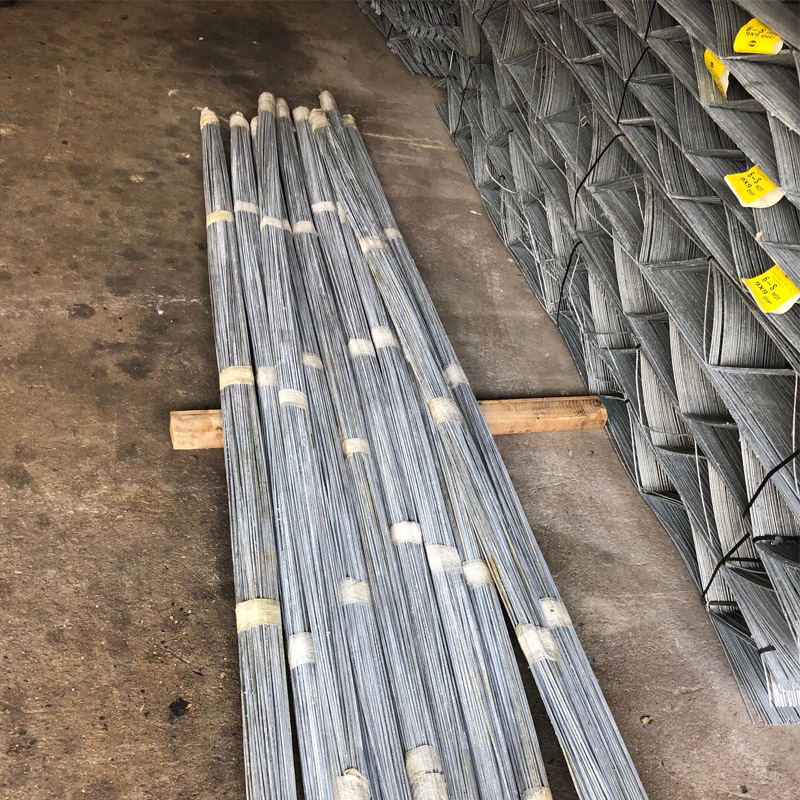
Fig 3: Rolled steel bar used as reinforcement in concrete structures.
Vendor Comparison and Customized Solutions
Selecting the right supplier for rolled steel bar is a critical decision for B2B clients, impacting project timelines, costs, and the quality of final products. Key factors in vendor comparison include manufacturing capabilities, quality assurance protocols, supply chain reliability, and the ability to provide customized solutions. Our company, CNTC Metal, specializes in delivering high-quality continuous wire products that exemplify the precision and reliability expected in the industry.
Key Differentiators in Vendor Selection:
- Manufacturing Expertise: Leading cold drawn steel bar manufacturers possess advanced rolling mills and drawing facilities, coupled with expert metallurgical teams. Look for certifications like ISO 9001 and adherence to specific industry standards (e.g., ASTM, EN, DIN).
- Quality Control and Traceability: Robust quality management systems, including in-process testing and full material traceability from raw material to finished product, are non-negotiable. This ensures consistent product quality and accountability.
- Capacity and Lead Times: A vendor's production capacity and demonstrated ability to meet agreed-upon lead times are crucial for project scheduling and inventory management.
- Customization Capabilities: The ability to provide bespoke solutions, including custom alloys, specific dimensions, unique surface finishes, or specialized heat treatments, offers a significant advantage for complex engineering projects.
- Technical Support and After-Sales Service: Comprehensive technical assistance, including material selection guidance, engineering support, and responsive after-sales service, adds substantial value.
CNTC Metal's Commitment to Customized Solutions:
At CNTC Metal, we understand that off-the-shelf solutions do not always meet the exacting requirements of every project. We offer extensive customization capabilities for our continuous wire products and related rolled steel bar derivatives, ensuring optimal performance for your specific application. Our approach includes:
- Alloy Customization: Development or modification of steel alloys to achieve specific mechanical properties (e.g., higher tensile strength, improved ductility, enhanced fatigue life) or corrosion resistance for demanding environments.
- Precision Dimensional Control: Production of rolled steel bar and wire with extremely tight tolerances, critical for precision machining or specialized assembly processes. We can accommodate unique cold rolled steel bar sizes.
- Surface Finish Tailoring: From bright polished finishes to specific textured surfaces, we can customize the surface treatment to meet aesthetic or functional requirements (e.g., for improved adhesion, reduced friction, or better corrosion protection).
- Specialized Heat Treatment: Offering a range of heat treatments such as annealing, normalizing, quenching, and tempering to precisely control the microstructure and resulting mechanical properties of the steel.
- Integrated Solutions: Beyond the bar itself, we offer solutions for masonry ties, adjustable brick ties, and other brickwork accessories, ensuring material compatibility and performance across an entire system.
Our engineering team works closely with clients from conceptualization to delivery, providing technical consultation to ensure the chosen material solution perfectly aligns with project specifications and performance expectations.
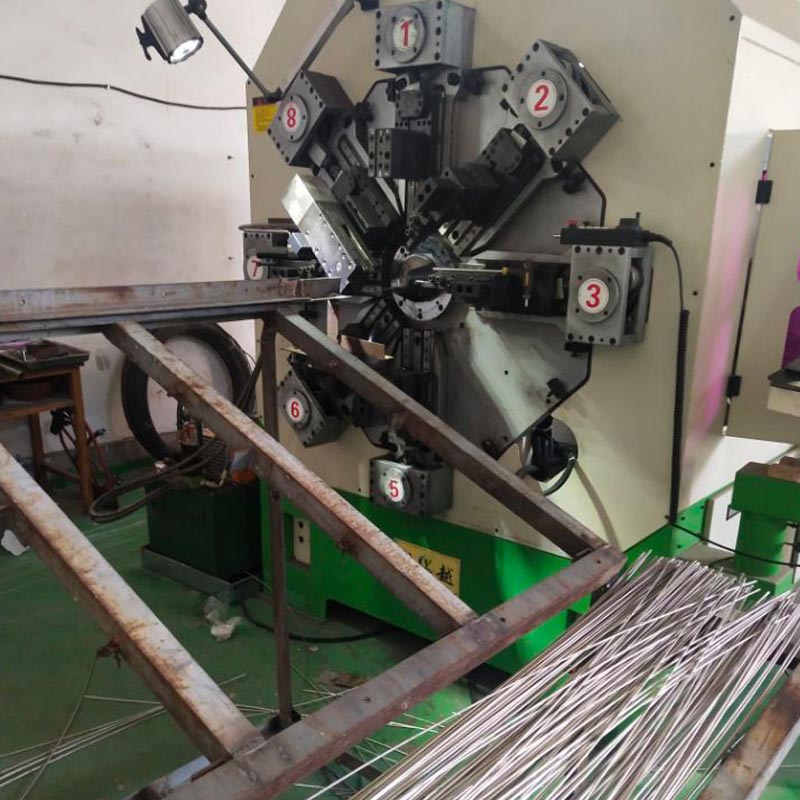
Fig 4: Customized rolled steel bar products awaiting final inspection.
Application Case Studies and Customer Experience
Real-world application case studies demonstrate the tangible benefits and reliability of high-quality rolled steel bar in challenging industrial environments. These examples highlight our expertise and commitment to delivering solutions that meet stringent performance criteria.
Case Study 1: High-Strength Rebar for Seismic-Resistant Structures
Challenge: A major construction firm required high-strength, high-ductility rolled steel bar for a critical high-rise building project in a seismically active region. The rebar needed to exceed standard specifications for yield strength and elongation to absorb seismic energy without brittle failure.
Solution: CNTC Metal collaborated with the client to develop a custom alloy with a controlled thermomechanical treatment. This resulted in a rolled steel bar that significantly surpassed the required ASTM A706 specifications for both strength (typical yield strength >480 MPa) and ductility (elongation >18%). Our rigorous testing, including dynamic load tests, confirmed the material's superior performance.
Outcome: The custom rebar provided enhanced structural resilience, contributing to a safer and more durable building. The project was completed on schedule, and the client commended our technical expertise and ability to deliver a tailored, high-performance product. This solution was also extended to related concrete accessories products for the same project, ensuring consistent material quality.
Case Study 2: Precision Cold Drawn Steel Bar for Hydraulic Cylinders
Challenge: A leading manufacturer of heavy machinery required cold drawn steel bar with extremely precise dimensional tolerances and an exceptional internal surface finish for their hydraulic cylinder components. Any deviations could lead to seal leakage and premature component failure, critical for operations of cold drawn steel bar manufacturers.
Solution: We supplied cold drawn steel bar (Grade 1045) processed through multiple drawing passes and honed to achieve an internal diameter tolerance of H8 and a surface roughness (Ra) of less than 0.4 µm. Each batch underwent 100% eddy current testing for surface defect detection.
Outcome: The precision-engineered cold drawn steel bar significantly reduced machining time for the client, improved the performance and longevity of their hydraulic cylinders, and virtually eliminated rejections due to material imperfections. The client reported a 15% increase in production efficiency and enhanced product reliability.
Customer Feedback & Authoritative Recognition:
"For over a decade, CNTC Metal has been our trusted partner for rolled steel bar products. Their consistent quality, adherence to ISO standards, and their readiness to provide bespoke solutions, even for complex masonry tie systems, has been instrumental in the success of our construction projects. Their team’s technical expertise is unparalleled."
CNTC Metal is proud to hold ISO 9001:2015 certification for our quality management systems, affirming our commitment to excellence. We have served as a preferred supplier to major industrial partners for over 20 years, consistently delivering high-quality rolled steel bar and wire products that meet the highest international standards. Our dedication to research and development ensures that our products continue to evolve with industry demands.
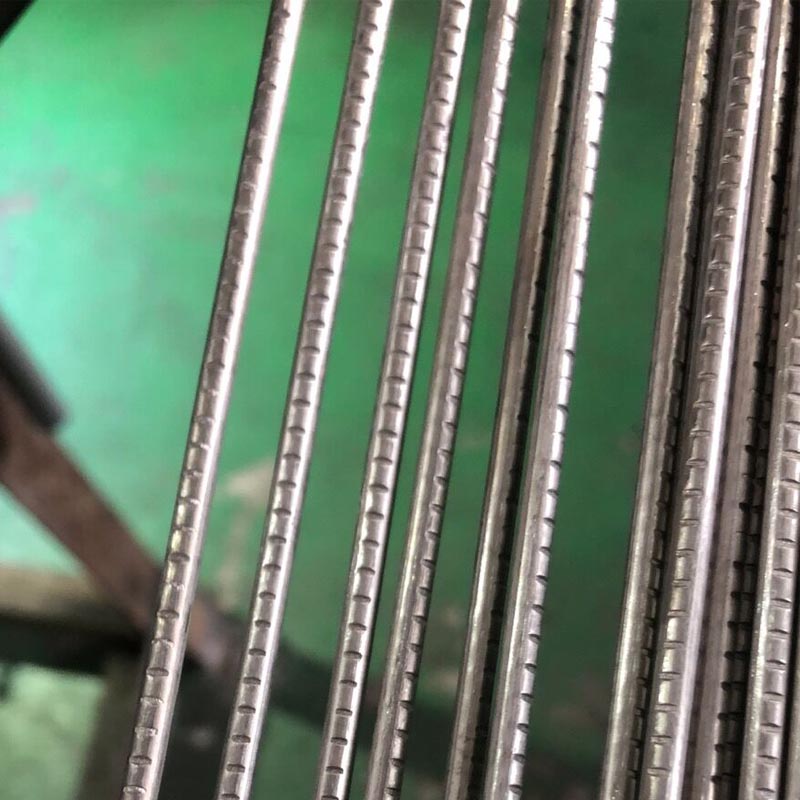
Fig 5: Final quality inspection of rolled steel bar products.
Trustworthiness and Support: FAQ, Lead Times, Warranty
At CNTC Metal, building lasting partnerships is paramount. This section addresses common inquiries and outlines our commitments regarding lead times, warranties, and comprehensive customer support, ensuring transparency and reliability for our clients.
Frequently Asked Questions (FAQ):
- Q: What types of rolled steel bar do you offer?
- A: We offer a comprehensive range of rolled steel bar, including hot rolled, cold rolled steel bar, and cold drawn steel bar in various grades (carbon, alloy, stainless steel), shapes, and cold rolled steel bar sizes. Our product line also includes specialized wire products, such as the Continuous Wire, and components for brickwork accessories like masonry ties.
- Q: Can you provide custom material specifications?
- A: Yes, we specialize in customized solutions. Our metallurgical engineers can work with your team to develop specific chemical compositions, mechanical properties, and heat treatments to meet unique project requirements.
- Q: What are your quality assurance standards?
- A: We are ISO 9001:2015 certified and adhere to international standards such as ASTM, EN, DIN, and JIS. All products undergo rigorous in-process and final inspections, including chemical analysis, mechanical testing, and dimensional verification.
- Q: Do you supply related concrete accessories products?
- A: Absolutely. Beyond rolled steel bar, we provide components for various concrete and masonry applications, including adjustable brick ties, brick tie backs, and brick wire ties, ensuring a comprehensive supply for construction needs.
Lead Time and Fulfillment Details:
Our sophisticated production planning and supply chain management ensure efficient order fulfillment. Standard rolled steel bar products typically have lead times of 3-6 weeks, depending on quantity and specific processing requirements. For custom orders, lead times will be precisely communicated upon confirmation of specifications. We prioritize clear communication and provide regular updates on order status to ensure timely delivery and project continuity.
Warranty Commitments:
CNTC Metal provides a comprehensive warranty against manufacturing defects and non-conformance to agreed-upon specifications. All our rolled steel bar products are guaranteed to meet or exceed the specified industry standards and client requirements. Our warranty period and terms are detailed in our sales agreements and can be further discussed with our sales team.
Customer Support Information:
Our dedicated customer support team is available to assist you with inquiries, technical support, and after-sales service. We offer:
- Technical Consultation: Expert advice on material selection, application suitability, and performance optimization.
- Order Tracking: Real-time updates on your order status and shipping information.
- Problem Resolution: Prompt and effective resolution of any product-related issues or concerns.
- Global Reach: Our logistics network supports international delivery, ensuring our high-quality rolled steel bar products reach clients worldwide.
You can reach our support team via phone, email, or through our website's contact form. We are committed to providing a seamless and supportive experience for all our partners.
References
- American Society for Testing and Materials (ASTM) International. "Annual Book of ASTM Standards." West Conshohocken, PA: ASTM International.
- International Organization for Standardization (ISO). "ISO 9001: Quality management systems – Requirements." Geneva, Switzerland: ISO.
- The National Academies of Sciences, Engineering, and Medicine. "Materials Science and Engineering for the 21st Century." Washington, DC: The National Academies Press.
- European Committee for Standardization (CEN). "Eurocodes: EN 1993 Design of steel structures." Brussels, Belgium: CEN.
- ASM International. "ASM Handbook, Vol 1: Properties and Selection: Irons, Steels, and High-Performance Alloys." Materials Park, OH: ASM International.
share:
-
Factors Influencing Hexagonal Wire Mesh Price and Buyer GuideNewsApr.16,2026
-
Understanding the Price of Chicken Mesh and Buying GuideNewsApr.09,2026
-
Comprehensive Guide to Understanding and Optimizing Poultry Net Price StrategiesNewsApr.07,2026
-
Understanding Hen Net Price for Optimal International Metal TradingNewsApr.04,2026
-
Comprehensive Guide to Chicken Wire Fence Price and Installation CostsNewsMar.31,2026
-
Comprehensive Guide to Chicken Netting Price Factors and OptionsNewsMar.28,2026
-
Comprehensive Guide to Chicken Net Fence Price and Optimal SelectionNewsMar.26,2026
Premium Rolled Steel Bar: Cold Drawn & Sized for Your Needs
Understanding the Modern rolled steel bar Landscape
The demand for high-performance metallic components in B2B sectors continues to drive innovation in material science and manufacturing processes. Among these, the rolled steel bar stands as a foundational product, integral to diverse industrial applications ranging from heavy construction to precision machinery. Its versatility, attributed to controlled metallurgical properties and precise dimensions, makes it a critical component for engineers and procurement specialists. This segment explores current industry trends, focusing on the evolution of steel processing, sustainability initiatives, and the increasing demand for specialized alloys.
Contemporary trends indicate a shift towards advanced manufacturing techniques that yield superior material characteristics, such as enhanced strength-to-weight ratios and improved corrosion resistance. The market for rolled steel bar is also influenced by global infrastructure development, particularly in emerging economies, which fuels the need for robust and reliable construction materials. Furthermore, the push for energy efficiency and reduced environmental impact mandates more sophisticated production methods, prompting manufacturers to invest in cleaner technologies and optimized material utilization. The integration of digital technologies, including AI-driven quality control and predictive maintenance, is also reshaping the production landscape for products like cold rolled steel bar, leading to higher consistency and reduced waste.
Fig 1: Modern rolling mill for rolled steel bar production.
The adoption of higher-grade alloys and specialized heat treatments signifies a move towards tailored solutions for specific engineering challenges. For instance, in seismic zones, the demand for ductile and high-strength rolled steel bar is paramount for ensuring structural integrity. Similarly, the increasing complexity of industrial machinery requires components that can withstand extreme temperatures, pressures, and abrasive environments. This drive towards specialization is also evident in the market for ancillary products like adjustable brick ties, brick tie backs, and brick wire ties, which rely on precisely manufactured steel components to ensure structural stability in masonry applications. These trends underscore the critical role of continuous innovation in the rolled steel bar sector to meet evolving industrial requirements.
The Manufacturing Journey of Rolled Steel Bar: A Detailed Process Flow
The production of a rolled steel bar involves a meticulously controlled series of steps, transforming raw materials into high-performance finished products. This process ensures the desired metallurgical properties, dimensional accuracy, and surface finish. The general flow often begins with the selection of high-quality raw materials, typically steel billets or blooms, which are then subjected to various thermomechanical treatments.
Key Stages in Rolled Steel Bar Production:
-
Raw Material Preparation:
High-grade steel billets or continuous cast blooms are sourced. These are typically derived from basic oxygen furnaces (BOF) or electric arc furnaces (EAF), ensuring controlled chemical composition suitable for specific end applications (e.g., carbon steel, alloy steel, stainless steel). The material choice significantly influences the final mechanical properties, such as tensile strength and ductility.
-
Heating and Descaling:
Billets are heated in reheating furnaces (e.g., walking beam furnaces) to temperatures typically ranging from 900°C to 1250°C, depending on the steel grade. This heating makes the steel malleable for rolling. Prior to rolling, descaling is performed, often using high-pressure water jets, to remove iron oxide scales that could impair surface quality and tool life.
-
Hot Rolling:
The heated billets pass through a series of rolling stands, each with progressively smaller gaps. Rolls apply compressive forces, reducing the cross-sectional area and elongating the bar. This process refines the grain structure, enhancing mechanical properties. Hot rolling can produce various forms, including round, square, or flat bars. The controlled temperature throughout this stage is critical to prevent defects and achieve the desired microstructure (e.g., fine pearlite or ferrite-pearlite).
-
Cooling and Quenching:
After rolling, the bar is cooled under controlled conditions. This can involve natural air cooling (for softer steels), or accelerated cooling/quenching processes (using water or oil) to achieve specific hardness and strength profiles. For example, controlled cooling to room temperature often produces a more ductile product, whereas rapid quenching followed by tempering can yield higher strength and toughness, crucial for applications requiring high load-bearing capacity.
-
Finishing (Cold Rolling/Drawing, Straightening, Cutting):
For applications demanding higher dimensional accuracy, smoother surface finish, and enhanced mechanical properties, further processing such as cold rolled steel bar or cold drawn steel bar manufacturing is employed. Cold rolling involves processing the steel at room temperature, which increases its yield strength and tensile strength while reducing ductility. Cold drawing, used by cold drawn steel bar manufacturers, pulls the bar through a die, achieving precise dimensions and an excellent surface finish. Following these, bars are straightened to meet geometric tolerances and cut to specified lengths using shears or saws. Some applications may require CNC machining for intricate shapes or specific features.
-
Testing and Inspection:
Rigorous testing is performed to ensure compliance with international standards such as ISO (e.g., ISO 6935 for reinforcing steels), ANSI, ASTM (e.g., ASTM A36 for structural steel), and EN standards. This includes chemical analysis, mechanical testing (tensile strength, yield strength, elongation, hardness), non-destructive testing (NDT) like eddy current or ultrasonic inspection for internal defects, and dimensional checks. Our products, like the Continuous Wire, undergo stringent quality assurance protocols to guarantee performance.
-
Surface Treatment and Packaging:
Depending on the application, bars may undergo surface treatments such as shot blasting, passivation, or protective coating to enhance corrosion resistance. Finally, they are bundled, strapped, and packaged for transport, often with rust-preventative measures.
Target Industries and Advantages:
The service life of a well-manufactured rolled steel bar can extend for decades, often exceeding 50-100 years in appropriate applications, especially when protected from severe environmental degradation. Our products find extensive use in:
- Petrochemical Industry: For structural supports, piping components, and reactor internals, requiring corrosion resistance and high temperature stability.
- Metallurgy: As raw material for further processing, or components in high-temperature furnaces.
- Water Supply & Drainage: Reinforcement in concrete pipes, structural elements in water treatment plants, where corrosion resistance is key.
- Construction: Reinforcing bars (rebar), structural beams, masonry supports (e.g., masonry tie systems, brickwork accessories).
- Automotive and Manufacturing: Shafts, gears, fasteners, and various machined components.
Advantages in typical application scenarios include:
- Energy Saving: Optimized material properties reduce the need for oversized components, leading to lighter structures and improved fuel efficiency in transport applications.
- Corrosion Resistance: For specific grades, enhanced resistance extends service life in harsh environments, reducing maintenance costs and ensuring long-term structural integrity, especially crucial for concrete accessories products exposed to the elements.
- Structural Integrity: High strength and ductility ensure reliability in critical load-bearing applications, from high-rise buildings to bridge construction.
Technical Specifications and Data Visualization
The precise technical specifications of rolled steel bar products are paramount for engineering design and material selection. These parameters dictate performance, suitability for specific applications, and compliance with industry standards. Below, we present key parameters, including common cold rolled steel bar sizes and their associated mechanical properties, based on typical industry standards.
Typical Cold Rolled Steel Bar Specifications (ASTM A36/A108 Equivalent)
| Property | Unit | Standard Range (ASTM A36) | Typical Cold Rolled (ASTM A108 Gr. 1018) |
|---|---|---|---|
| Tensile Strength (min) | MPa (ksi) | 400 (58) | 420-550 (61-80) |
| Yield Strength (min) | MPa (ksi) | 250 (36) | 340-415 (49-60) |
| Elongation in 200mm (min) | % | 20 | 15-25 |
| Hardness (Brinell, typical) | HB | 110-150 | 130-170 |
| Carbon Content (typical) | % | 0.25-0.29 | 0.15-0.20 |
| Density | g/cm³ | 7.85 | 7.85 |
Note: Values are typical and can vary based on specific grade, heat treatment, and manufacturing process. Always refer to specific product data sheets for precise specifications.
Common Cold Rolled Steel Bar Sizes and Tolerances
Dimensional precision is a hallmark of cold rolled steel bar, crucial for machining and assembly. Here are typical sizes and their standard diameter tolerances.
| Nominal Diameter (mm) | Nominal Diameter (inches) | Tolerance (mm) | Tolerance (inches) |
|---|---|---|---|
| 6 - 12 | 0.236 - 0.472 | ±0.025 | ±0.001 |
| 12.1 - 25 | 0.476 - 0.984 | ±0.030 | ±0.0012 |
| 25.1 - 50 | 0.988 - 1.968 | ±0.040 | ±0.0016 |
| 50.1 - 75 | 1.972 - 2.953 | ±0.050 | ±0.002 |
| 75.1 - 100 | 2.957 - 3.937 | ±0.065 | ±0.0025 |
Note: Tolerances are typically specified as per ISO h9/h10 or ASTM A108 standards for cold finished bars. Our Continuous Wire product adheres to similarly strict dimensional control for optimal performance.
Fig 2: Precision measurement of rolled steel bar to ensure exact specifications.
Application Scenarios and Technical Advantages
The inherent versatility and robust mechanical properties of rolled steel bar make it indispensable across a multitude of high-demand industrial applications. From large-scale infrastructure projects to intricate machinery components, its reliability and adaptability are key drivers of its widespread adoption.
Key Application Scenarios:
- Civil Engineering and Construction: Used extensively as reinforcing bar (rebar) in concrete structures to enhance tensile strength and prevent cracking. Specialized forms of rolled steel bar are also critical for structural framing, bridge construction, and in foundation systems. Furthermore, they form the backbone of masonry ties and other brickwork accessories, providing essential lateral support to walls.
- Machinery and Automotive Industry: Precision cold rolled steel bar is machined into shafts, gears, axles, hydraulic cylinders, and various fasteners. Its superior surface finish and tight tolerances reduce post-processing costs and improve the longevity of moving parts.
- Energy Sector (Oil & Gas, Power Generation): Utilized in the construction of pipelines, drilling equipment components, structural supports for power plants, and within renewable energy infrastructure. The corrosion resistance of certain alloy rolled steel bar grades is vital in these harsh environments.
- Manufacturing and Fabrication: Serves as a primary stock material for forging, stamping, and general fabrication of industrial tools, frames, and custom components. The consistent mechanical properties ensure predictable behavior during subsequent manufacturing operations.
- Agricultural Equipment: Durable rolled steel bar is essential for components in tractors, plows, and other heavy farm machinery, designed to withstand rigorous field conditions.
Technical Advantages:
The continuous advancement in steel manufacturing imbues rolled steel bar with several compelling technical advantages:
- Enhanced Mechanical Properties: Through controlled alloying and thermomechanical processing, modern rolled steel bar exhibits superior tensile strength, yield strength, and toughness. This allows for lighter designs without compromising structural integrity, leading to material and cost efficiencies.
- Superior Dimensional Accuracy and Surface Finish: Especially for cold rolled steel bar and cold drawn steel bar, the tightly controlled manufacturing process results in exceptional dimensional precision. This reduces the need for extensive post-machining, lowers manufacturing costs, and improves the aesthetic and functional quality of finished components.
- Customizable Metallurgical Composition: Manufacturers can tailor the chemical composition (e.g., carbon, manganese, chromium, nickel) to achieve specific properties such as improved weldability, increased hardness, or enhanced corrosion resistance for specialized applications. This flexibility is crucial for demanding industries.
- Cost-Effectiveness and Availability: Despite its advanced properties, rolled steel bar remains a cost-effective material solution due to efficient large-scale production methods and widespread availability. This makes it a preferred choice for projects of all scales.
- Fatigue Resistance: In applications involving cyclic loading, optimized grain structures and surface integrity contribute to excellent fatigue resistance, extending the operational life of components and structures.
Fig 3: Rolled steel bar used as reinforcement in concrete structures.
Vendor Comparison and Customized Solutions
Selecting the right supplier for rolled steel bar is a critical decision for B2B clients, impacting project timelines, costs, and the quality of final products. Key factors in vendor comparison include manufacturing capabilities, quality assurance protocols, supply chain reliability, and the ability to provide customized solutions. Our company, CNTC Metal, specializes in delivering high-quality continuous wire products that exemplify the precision and reliability expected in the industry.
Key Differentiators in Vendor Selection:
- Manufacturing Expertise: Leading cold drawn steel bar manufacturers possess advanced rolling mills and drawing facilities, coupled with expert metallurgical teams. Look for certifications like ISO 9001 and adherence to specific industry standards (e.g., ASTM, EN, DIN).
- Quality Control and Traceability: Robust quality management systems, including in-process testing and full material traceability from raw material to finished product, are non-negotiable. This ensures consistent product quality and accountability.
- Capacity and Lead Times: A vendor's production capacity and demonstrated ability to meet agreed-upon lead times are crucial for project scheduling and inventory management.
- Customization Capabilities: The ability to provide bespoke solutions, including custom alloys, specific dimensions, unique surface finishes, or specialized heat treatments, offers a significant advantage for complex engineering projects.
- Technical Support and After-Sales Service: Comprehensive technical assistance, including material selection guidance, engineering support, and responsive after-sales service, adds substantial value.
CNTC Metal's Commitment to Customized Solutions:
At CNTC Metal, we understand that off-the-shelf solutions do not always meet the exacting requirements of every project. We offer extensive customization capabilities for our continuous wire products and related rolled steel bar derivatives, ensuring optimal performance for your specific application. Our approach includes:
- Alloy Customization: Development or modification of steel alloys to achieve specific mechanical properties (e.g., higher tensile strength, improved ductility, enhanced fatigue life) or corrosion resistance for demanding environments.
- Precision Dimensional Control: Production of rolled steel bar and wire with extremely tight tolerances, critical for precision machining or specialized assembly processes. We can accommodate unique cold rolled steel bar sizes.
- Surface Finish Tailoring: From bright polished finishes to specific textured surfaces, we can customize the surface treatment to meet aesthetic or functional requirements (e.g., for improved adhesion, reduced friction, or better corrosion protection).
- Specialized Heat Treatment: Offering a range of heat treatments such as annealing, normalizing, quenching, and tempering to precisely control the microstructure and resulting mechanical properties of the steel.
- Integrated Solutions: Beyond the bar itself, we offer solutions for masonry ties, adjustable brick ties, and other brickwork accessories, ensuring material compatibility and performance across an entire system.
Our engineering team works closely with clients from conceptualization to delivery, providing technical consultation to ensure the chosen material solution perfectly aligns with project specifications and performance expectations.
Fig 4: Customized rolled steel bar products awaiting final inspection.
Application Case Studies and Customer Experience
Real-world application case studies demonstrate the tangible benefits and reliability of high-quality rolled steel bar in challenging industrial environments. These examples highlight our expertise and commitment to delivering solutions that meet stringent performance criteria.
Case Study 1: High-Strength Rebar for Seismic-Resistant Structures
Challenge: A major construction firm required high-strength, high-ductility rolled steel bar for a critical high-rise building project in a seismically active region. The rebar needed to exceed standard specifications for yield strength and elongation to absorb seismic energy without brittle failure.
Solution: CNTC Metal collaborated with the client to develop a custom alloy with a controlled thermomechanical treatment. This resulted in a rolled steel bar that significantly surpassed the required ASTM A706 specifications for both strength (typical yield strength >480 MPa) and ductility (elongation >18%). Our rigorous testing, including dynamic load tests, confirmed the material's superior performance.
Outcome: The custom rebar provided enhanced structural resilience, contributing to a safer and more durable building. The project was completed on schedule, and the client commended our technical expertise and ability to deliver a tailored, high-performance product. This solution was also extended to related concrete accessories products for the same project, ensuring consistent material quality.
Case Study 2: Precision Cold Drawn Steel Bar for Hydraulic Cylinders
Challenge: A leading manufacturer of heavy machinery required cold drawn steel bar with extremely precise dimensional tolerances and an exceptional internal surface finish for their hydraulic cylinder components. Any deviations could lead to seal leakage and premature component failure, critical for operations of cold drawn steel bar manufacturers.
Solution: We supplied cold drawn steel bar (Grade 1045) processed through multiple drawing passes and honed to achieve an internal diameter tolerance of H8 and a surface roughness (Ra) of less than 0.4 µm. Each batch underwent 100% eddy current testing for surface defect detection.
Outcome: The precision-engineered cold drawn steel bar significantly reduced machining time for the client, improved the performance and longevity of their hydraulic cylinders, and virtually eliminated rejections due to material imperfections. The client reported a 15% increase in production efficiency and enhanced product reliability.
Customer Feedback & Authoritative Recognition:
"For over a decade, CNTC Metal has been our trusted partner for rolled steel bar products. Their consistent quality, adherence to ISO standards, and their readiness to provide bespoke solutions, even for complex masonry tie systems, has been instrumental in the success of our construction projects. Their team’s technical expertise is unparalleled."
CNTC Metal is proud to hold ISO 9001:2015 certification for our quality management systems, affirming our commitment to excellence. We have served as a preferred supplier to major industrial partners for over 20 years, consistently delivering high-quality rolled steel bar and wire products that meet the highest international standards. Our dedication to research and development ensures that our products continue to evolve with industry demands.
Fig 5: Final quality inspection of rolled steel bar products.
Trustworthiness and Support: FAQ, Lead Times, Warranty
At CNTC Metal, building lasting partnerships is paramount. This section addresses common inquiries and outlines our commitments regarding lead times, warranties, and comprehensive customer support, ensuring transparency and reliability for our clients.
Frequently Asked Questions (FAQ):
- Q: What types of rolled steel bar do you offer?
- A: We offer a comprehensive range of rolled steel bar, including hot rolled, cold rolled steel bar, and cold drawn steel bar in various grades (carbon, alloy, stainless steel), shapes, and cold rolled steel bar sizes. Our product line also includes specialized wire products, such as the Continuous Wire, and components for brickwork accessories like masonry ties.
- Q: Can you provide custom material specifications?
- A: Yes, we specialize in customized solutions. Our metallurgical engineers can work with your team to develop specific chemical compositions, mechanical properties, and heat treatments to meet unique project requirements.
- Q: What are your quality assurance standards?
- A: We are ISO 9001:2015 certified and adhere to international standards such as ASTM, EN, DIN, and JIS. All products undergo rigorous in-process and final inspections, including chemical analysis, mechanical testing, and dimensional verification.
- Q: Do you supply related concrete accessories products?
- A: Absolutely. Beyond rolled steel bar, we provide components for various concrete and masonry applications, including adjustable brick ties, brick tie backs, and brick wire ties, ensuring a comprehensive supply for construction needs.
Lead Time and Fulfillment Details:
Our sophisticated production planning and supply chain management ensure efficient order fulfillment. Standard rolled steel bar products typically have lead times of 3-6 weeks, depending on quantity and specific processing requirements. For custom orders, lead times will be precisely communicated upon confirmation of specifications. We prioritize clear communication and provide regular updates on order status to ensure timely delivery and project continuity.
Warranty Commitments:
CNTC Metal provides a comprehensive warranty against manufacturing defects and non-conformance to agreed-upon specifications. All our rolled steel bar products are guaranteed to meet or exceed the specified industry standards and client requirements. Our warranty period and terms are detailed in our sales agreements and can be further discussed with our sales team.
Customer Support Information:
Our dedicated customer support team is available to assist you with inquiries, technical support, and after-sales service. We offer:
- Technical Consultation: Expert advice on material selection, application suitability, and performance optimization.
- Order Tracking: Real-time updates on your order status and shipping information.
- Problem Resolution: Prompt and effective resolution of any product-related issues or concerns.
- Global Reach: Our logistics network supports international delivery, ensuring our high-quality rolled steel bar products reach clients worldwide.
You can reach our support team via phone, email, or through our website's contact form. We are committed to providing a seamless and supportive experience for all our partners.
References
- American Society for Testing and Materials (ASTM) International. "Annual Book of ASTM Standards." West Conshohocken, PA: ASTM International.
- International Organization for Standardization (ISO). "ISO 9001: Quality management systems – Requirements." Geneva, Switzerland: ISO.
- The National Academies of Sciences, Engineering, and Medicine. "Materials Science and Engineering for the 21st Century." Washington, DC: The National Academies Press.
- European Committee for Standardization (CEN). "Eurocodes: EN 1993 Design of steel structures." Brussels, Belgium: CEN.
- ASM International. "ASM Handbook, Vol 1: Properties and Selection: Irons, Steels, and High-Performance Alloys." Materials Park, OH: ASM International.
share:
-
Factors Influencing Hexagonal Wire Mesh Price and Buyer GuideNewsApr.16,2026
-
Understanding the Price of Chicken Mesh and Buying GuideNewsApr.09,2026
-
Comprehensive Guide to Understanding and Optimizing Poultry Net Price StrategiesNewsApr.07,2026
-
Understanding Hen Net Price for Optimal International Metal TradingNewsApr.04,2026
-
Comprehensive Guide to Chicken Wire Fence Price and Installation CostsNewsMar.31,2026
-
Comprehensive Guide to Chicken Netting Price Factors and OptionsNewsMar.28,2026
-
Comprehensive Guide to Chicken Net Fence Price and Optimal SelectionNewsMar.26,2026