
- Mobile Phone
- +8613931874955
- sales@cntcmetal.com
Comprehensive Guide to Heavy Duty Poultry Netting for Secure Flock Protection
Heavy Duty Poultry Netting: A Comprehensive Guide
Protecting your poultry from predators and ensuring their safe containment is paramount for successful farming. Heavy duty poultry netting offers a robust and effective solution. This article delves into the benefits, applications, materials, and considerations when selecting the right netting for your flock. We'll explore why choosing high-quality netting, like those offered by CNTC Metal, is a worthwhile investment for poultry keepers of all sizes.
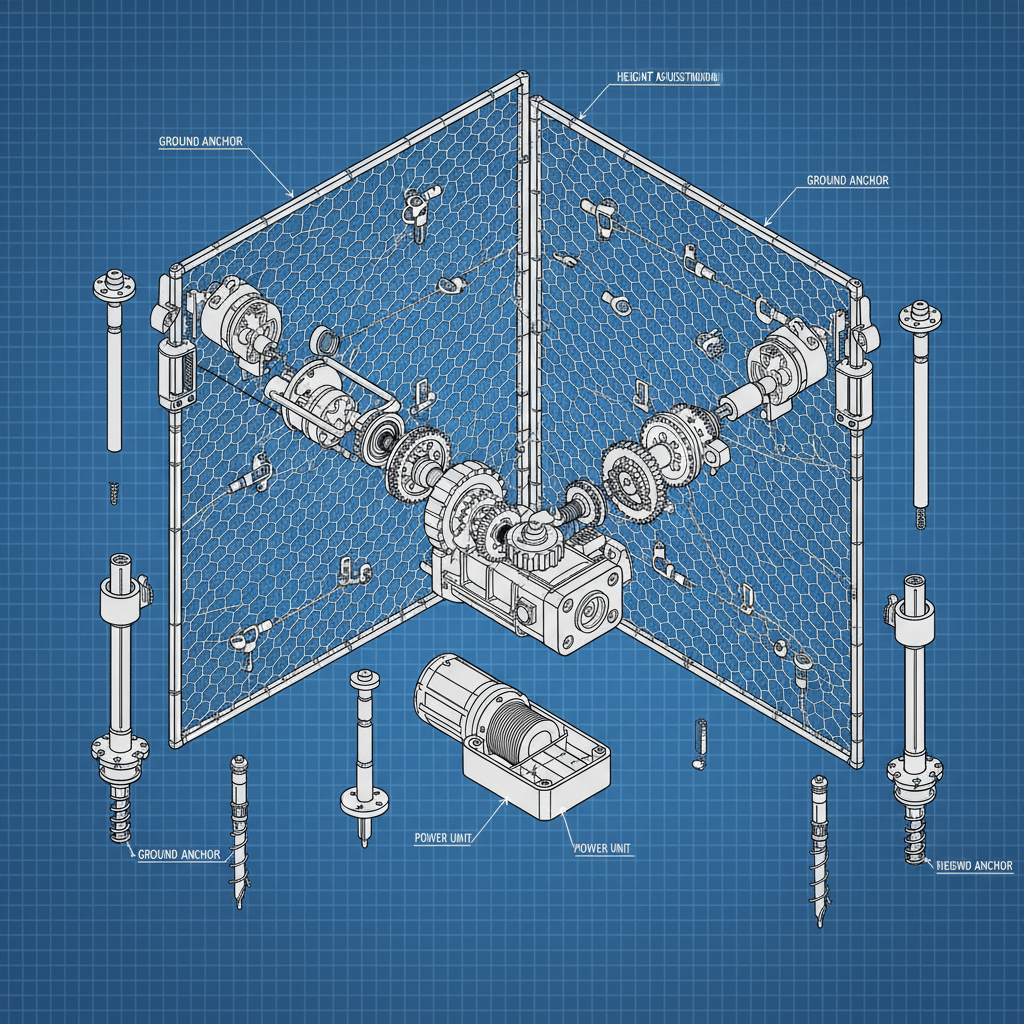
What is Heavy Duty Poultry Netting?
Heavy duty poultry netting is a woven wire mesh specifically designed to contain poultry while deterring predators. Unlike lighter-weight netting, heavy-duty options utilize thicker wires and tighter mesh openings, providing superior strength and durability. This is crucial for withstanding attacks from animals like foxes, raccoons, coyotes, and even larger birds of prey. It’s often galvanized or PVC-coated for added corrosion resistance, extending its lifespan and ensuring long-term protection for your birds. Properly installed poultry netting can significantly reduce predation losses and maintain the health and well-being of your flock.
Key Benefits: Superior strength against predators, long-lasting corrosion resistance, and secure containment for your poultry.
Materials Used in Heavy Duty Poultry Netting
The material of your poultry netting directly impacts its durability and effectiveness. Common materials include:
- Galvanized Steel: Offers excellent strength and corrosion resistance, making it a popular choice.
- PVC Coated Steel: Provides an additional layer of protection against rust and weathering, extending the netting’s lifespan.
- Stainless Steel: The most durable and corrosion-resistant option, ideal for harsh environments, but also the most expensive.
The wire gauge (thickness) also plays a crucial role. Lower gauge numbers indicate thicker wires and greater strength. When selecting netting, consider the specific predators in your area and the overall climate to determine the most suitable material and gauge.
Material Comparison:
• Galvanized Steel: Cost-effective, good strength, moderate corrosion resistance.
• PVC Coated Steel: Enhanced corrosion resistance, durable, slightly more expensive.
• Stainless Steel: Highest durability and corrosion resistance, premium price point.
Choosing the Right Mesh Size for Heavy Duty Poultry Netting
The mesh size, or the size of the openings in the netting, is a critical factor. Smaller mesh sizes offer better protection against smaller predators like rodents and chicks escaping. However, they can also be more expensive and require more effort to install. For most adult poultry, a mesh size of 1 inch x 1 inch or 1 inch x 2 inches is sufficient to deter common predators. Consider the size of your birds and the types of predators prevalent in your region when making your decision. CNTC Metal offers a variety of mesh sizes to meet your specific needs.
Installation Tips for Maximum Protection
Proper installation is crucial for maximizing the effectiveness of your poultry netting. Ensure the netting is securely anchored to the ground using stakes or buried edges to prevent predators from digging underneath. Overlap seams by at least 2 inches and use zip ties or hog rings to create a strong connection. Regularly inspect the netting for any damage or weaknesses and repair them promptly. Consider adding an outward-facing "apron" of netting along the bottom edge to deter digging predators. For optimal results, consult with experienced poultry keepers or refer to installation guides from reputable suppliers like CNTC Metal.
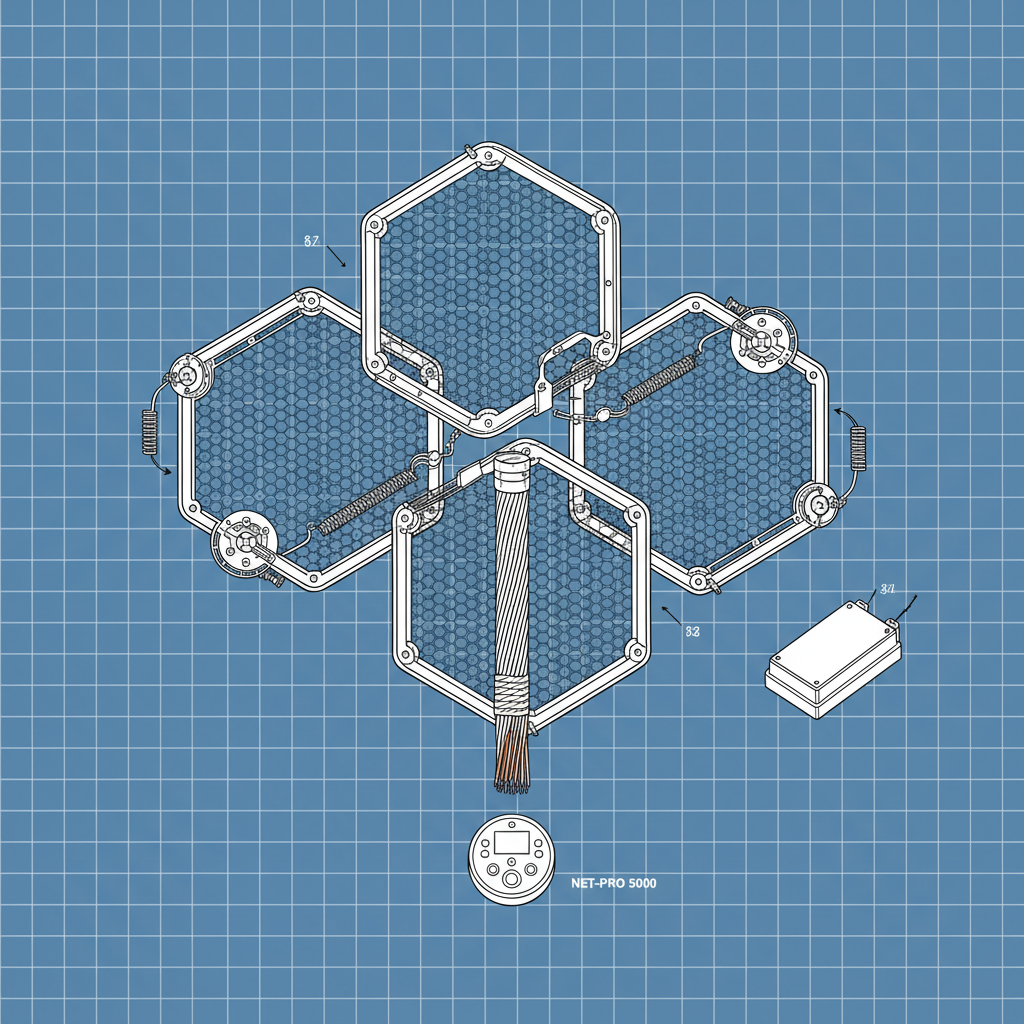
Heavy Duty Poultry Netting Specifications
Understanding the different specifications will help you choose the best netting for your needs. Here’s a common specification outline:
Conclusion: Investing in Peace of Mind with Heavy Duty Poultry Netting
Protecting your poultry is an investment in your livelihood. Heavy duty poultry netting from CNTC Metal offers a reliable and cost-effective solution for ensuring the safety and well-being of your flock. By choosing the right materials, mesh size, and installation techniques, you can create a secure environment and minimize predation losses. Don't wait until it's too late – invest in heavy-duty netting today!
Frequently Asked Questions (FAQs)
What is the difference between galvanized and PVC coated poultry netting?
Galvanized netting features a zinc coating for rust resistance, while PVC coated netting has an additional layer of plastic for even greater protection against corrosion and weathering. PVC coating generally provides longer-lasting protection, especially in harsh climates, but comes at a slightly higher price point. Galvanized netting is a solid choice for most environments, offering a good balance of cost and durability. Consider the level of moisture and potential exposure to harsh chemicals when making your decision.
How high should my poultry netting be?
The ideal height depends on the size and flying ability of your poultry. For most chickens, a height of 4 feet is sufficient. For larger breeds or birds prone to flying, 5 or 6 feet may be necessary. Ensure the netting is tall enough to prevent birds from escaping and predators from reaching over it. Consider the surrounding terrain and any potential vantage points for predators when determining the appropriate height.
Can heavy duty poultry netting be used for other animals?
Yes, heavy-duty poultry netting can be adapted for use with other small animals, such as rabbits, guinea pigs, and ducks. However, it’s essential to choose the appropriate mesh size and ensure the netting is securely installed to prevent escapes or predator access. Always consider the specific needs and behaviors of the animals you are containing when selecting and installing the netting. You may need to reinforce the bottom edge to prevent digging.
share:
-
Factors Influencing Hexagonal Wire Mesh Price and Buyer GuideNewsApr.16,2026
-
Understanding the Price of Chicken Mesh and Buying GuideNewsApr.09,2026
-
Comprehensive Guide to Understanding and Optimizing Poultry Net Price StrategiesNewsApr.07,2026
-
Understanding Hen Net Price for Optimal International Metal TradingNewsApr.04,2026
-
Comprehensive Guide to Chicken Wire Fence Price and Installation CostsNewsMar.31,2026
-
Comprehensive Guide to Chicken Netting Price Factors and OptionsNewsMar.28,2026
-
Comprehensive Guide to Chicken Net Fence Price and Optimal SelectionNewsMar.26,2026